Categories

Is the First Year of Marriage Really Difficult? Social

Is the First Year of Marriage Really Difficult?

Whenever someone gets married, one common piece of advice they hear is: “The first year of marriage is always difficult.” While this may sound like something older generations say, there is a lot of truth behind it. Although modern life has made many challenges easier to manage, marriage still comes with its own unique set of difficulties. Before marriage, you are used to living your life independently and making decisions on your own. Suddenly, after marriage, new responsibilities, relationships, and expectations become part of your daily life. Adjusting to these changes is not always easy, which is why many people believe that the first year of marriage can be challenging. But why is it so difficult? Let’s take a closer look.Understanding New ResponsibilitiesWhether the marriage is based on personal choice or arranged by family, it always brings new responsibilities. There was a time when you only had to think about yourself and make decisions according to your own wishes. However, once another person becomes a part of your life, you must consider their needs, feelings, and well-being as well.This responsibility applies equally to both husband and wife. The more care, understanding, and support they show toward each other, the stronger their relationship becomes. Building a meaningful partnership takes time, effort, and commitment from both sides.Social and Family PressureMarriage often changes the roles of both men and women in society and within their families. After marriage, people are expected to act with greater maturity, responsibility, and wisdom. They are also expected to play an active role not only in their own family but also in their spouse’s family.Before marriage, your primary responsibility is toward your own family. After marriage, you become connected to another family that may have its own expectations and traditions. Respecting elders, caring for younger family members, and maintaining responsible behavior are often considered important parts of married life. Adjusting to these expectations can take time and patience.Financial PressureMarriage also brings financial responsibilities. When two people start a life together, they often need to plan their finances more carefully. Society generally views a married couple as the foundation of a new family unit, which may require a separate home, household expenses, and long-term financial planning.As the family grows, so do its needs and responsibilities. Managing expenses, saving for the future, and maintaining financial stability can create pressure, especially during the early stages of marriage. It takes time for couples to develop a financial system that works for both of them.Family Planning ExpectationsAfter marriage, couples must make important decisions about family planning. One of the most common pressures newlyweds face is the expectation of having children soon after marriage. While starting a family is a personal decision that should be made jointly by husband and wife, relatives and family members are often eagerly waiting for “good news.” In many cultures, especially in South Asian societies, questions about children begin shortly after the wedding. Learning how to handle these expectations and setting personal boundaries can be challenging for many newly married couples.How Can Couples Handle These Challenges?The first thing to remember is that difficulties are usually temporary. Most challenges become easier to manage with time, understanding, and experience. There is no need to panic if the early months of marriage feel overwhelming. It is also important to realize that you are not alone. Even couples who have known each other for years before marriage often discover that living together is very different from dating or interacting occasionally. If you are considerate, responsible, and willing to understand your spouse’s feelings, many obstacles become easier to overcome. Empathy and communication are among the most important qualities for a successful marriage.Although many aspects of a person’s personality only become visible after marriage, it is still helpful to learn as much as possible about your future spouse before getting married. Understanding their values, habits, expectations, and goals can make the transition smoother.The first year of marriage can indeed be challenging, but it is also one of the most important periods for building trust, understanding, and companionship. Every challenge faced together becomes an opportunity to strengthen the relationship. With patience, mutual respect, and open communication, couples can successfully navigate the early stages of marriage and create a lasting bond that grows stronger over time.

Read More
Beyond Looks: What Truly Matters in a Successful Marriage? Social

Beyond Looks: What Truly Matters in a Successful Marriage?

Pakistan is home to nearly 22 million unmarried individuals, with a large number of men and women still waiting to find a suitable life partner. One of the reasons behind this growing issue is the presence of deeply rooted social attitudes, particularly in developing societies, where people often prioritize superficial standards over meaningful qualities. For a healthy and progressive society, it is important to challenge and move beyond such mindsets.One of the most common biases revolves around physical appearance. Instead of valuing a person's character, education, values, and personality, society often places excessive importance on skin color, body shape, and outward appearance. When marriage proposals are considered, many families reject potential matches based solely on looks, particularly in the case of women. As a result, countless deserving individuals remain unmarried despite possessing admirable qualities.The Pressure to Meet Society's Beauty StandardsIn an effort to fit society's expectations, many young women resort to unhealthy dieting rather than adopting a balanced lifestyle and regular exercise. The desire to appear thinner often leads to nutritional deficiencies and various health problems. Similarly, when it comes to skin tone, many people use chemical-laden whitening products without considering the potential harm they may cause.The underlying fear is simple: if a person does not meet society's definition of beauty, often associated with fair skin and a slim figure, they may not be considered suitable for marriage. Unfortunately, these unrealistic standards have become deeply ingrained in the marriage culture of many communities.Changing Attitudes Around the WorldAcross the world, particularly in developed countries, efforts have been made to challenge stereotypes related to body size and skin color. Today, plus-size models are featured in fashion campaigns, clothing brands offer a wider range of sizes, and major international brands increasingly choose models of diverse ethnicities and skin tones.As people are influenced by changing social trends, many have started recognizing that beauty comes in different forms. More importantly, there is growing awareness that health matters far more than appearance. Beauty is not defined by extreme thinness or pale skin. True beauty is closely linked to physical and mental well-being, and healthy individuals are better equipped to build strong families and meaningful relationships.Looking Beyond Body SizePeople who do not fit conventional beauty standards are often judged unfairly. Those who are overweight, for example, frequently face criticism and rejection, especially in the marriage process. Such experiences can be emotionally painful and may affect their self-confidence.However, many individuals who have faced social judgment often develop qualities that make them exceptional life partners. They tend to be more empathetic because they understand what it feels like to be hurt by others' comments. As a result, they are often more considerate, compassionate, and understanding toward the feelings of those around them.Many also possess a strong sense of humor and resilience. Having learned to navigate social criticism, they often approach life with positivity and bring joy to the people around them. In various cultures around the world, fuller body types are even considered attractive, proving that beauty standards are largely shaped by cultural perceptions rather than universal truths.What Truly Matters in Marriage?Countless positive qualities contribute to a successful marriage, and physical appearance is only one small aspect of a much larger picture. Unfortunately, many parents of overweight daughters experience significant emotional distress as they watch their highly educated, capable, and well-mannered children face repeated rejection because of their appearance.When choosing a spouse, it is important to remember that marriage is not merely about outward beauty. The person you marry becomes the foundation of your future family and plays a crucial role in shaping the next generation. Therefore, qualities such as character, emotional maturity, values, kindness, compatibility, education, and mutual respect should be given far greater importance than arbitrary social standards of beauty.Society needs greater awareness about the harmful effects of judging people based solely on their appearance. Every individual deserves to be valued for who they are rather than how closely they match unrealistic beauty ideals. A successful marriage is built on understanding, respect, trust, and compatibility, not on skin color or body size. By focusing on meaningful qualities instead of superficial standards, we can create healthier relationships and a more compassionate society.

Read More
Ending Child Marriage: Why the New Bill Matters Social

Ending Child Marriage: Why the New Bill Matters

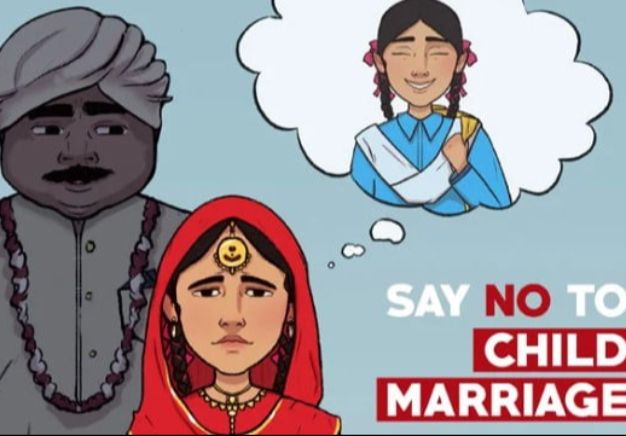
Child marriage is an issue that has been deeply rooted in Pakistan’s social structure for decades. It is not merely a legal or judicial matter; it is a human tragedy hidden behind stories of suffering, suppressed emotions, and shattered dreams. Every child bride represents a silent cry that affects not only her own life but also her family and society as a whole.This issue cannot be understood through statistics alone, because behind those numbers lie heartbreaking realities. In Pakistan, approximately 19 million girls are married during childhood. Every sixth girl is deprived of her childhood, education, and freedom. Dreams that were yet to flourish and aspirations that were just beginning to take shape are often buried before they have a chance to grow.Many of these young girls are confined within the walls of their homes at an age when they should be learning, exploring, and building their futures. They are denied the opportunity to pursue education, understand life, and make decisions for themselves. According to available statistics, around 18% of girls are married before the age of 18, while 4% become brides before reaching the age of 15. Such marriages not only cause lifelong difficulties for these girls but also hinder the social and economic progress of society.For many years, efforts have been made to address this serious issue, and child marriage legislation has finally been introduced and approved. The bill has been passed by both the National Assembly and the Senate, marking an important step forward. However, real success will depend on the effective implementation of these laws.Ban on Child Marriage: Why Does It Matter?According to the Child Marriage Restraint Bill, the registration of marriages involving individuals under the age of 18 has been declared a criminal offense. Marriage registrars are legally prohibited from registering such marriages. Before conducting a marriage ceremony, the officiating person must verify the computerized national identity cards of both parties.Anyone who registers or solemnizes a marriage without proper documentation may face up to one year of imprisonment, a fine of PKR 100,000, or both. Marrying a girl under the age of 18 has also been classified as a criminal offense. An adult man who marries an underage girl may face a minimum sentence of two years and a maximum of three years of rigorous imprisonment, along with financial penalties. The bill further states that any marriage involving a minor, whether with or without the child’s consent, will be treated as an act equivalent to sexual abuse. Any individual who persuades, encourages, forces, or compels a minor to marry will also be considered guilty of abuse.Those who arrange or facilitate the marriage of a minor may face imprisonment ranging from five to seven years, a fine of up to PKR 1 million, or both. Employing a child for the purpose of arranging a marriage is also punishable by imprisonment of up to three years and additional fines. Parents and guardians who participate in or permit the marriage of underage children will also face legal consequences. Under the bill, they may be sentenced to up to three years of rigorous imprisonment along with fines.Furthermore, forcing a minor to leave their area or relocating them for marriage will be treated as child trafficking. Individuals convicted of such offenses may face five to seven years of imprisonment and substantial fines. To ensure timely justice, courts will be required to resolve child marriage-related cases within 90 days. Pakistan already has numerous laws designed to address social issues, and new legislation continues to be introduced. However, laws alone cannot solve problems. Public awareness and education are equally important. Society must understand the harmful consequences of child marriage and recognize the importance of complying with these laws. Only through effective implementation, awareness campaigns, and collective social responsibility can Pakistan hope to eliminate child marriage and protect the rights and futures of its children..

Read More
Why the Term ‘Ghar Damad’ Needs a New Perspective Social

Why the Term ‘Ghar Damad’ Needs a New Perspective

Marriage is a partnership between two individuals who agree to build a life together. For a marriage to succeed, both partners must contribute equally, showing understanding, commitment, and respect for one another. Traditionally, in many societies, a woman leaves her parental home after marriage and moves in with her husband's family. However, there are situations where the opposite happens, and the husband moves into his wife's family home. In South Asian cultures, such a man is commonly referred to as a “Ghar Damad.”The term exists across the subcontinent in different languages and pronunciations. In Hindi, it is known as Ghar Jamai; in Urdu, Ghar Damad; and in Punjabi, Ghar Jawai. Although the words differ, they all refer to the same arrangement: a son-in-law living with his wife's family.One important question is why the term “Ghar Damad” is often treated humorously or viewed negatively, even though there can be many serious and practical reasons for such an arrangement. Several circumstances may lead a husband to live with his wife's family. In some cases, the man may not have close family members of his own and may choose to become part of his wife's household so that both partners can enjoy the support and warmth of a family environment. In other situations, the woman may be her parents' only child or have family responsibilities that make her presence at home essential. Elderly parents, health concerns, or household obligations may make it difficult for her to leave her family home after marriage.In today's globalized world, another increasingly common reason is international marriage. Sometimes a man marries a woman from another country and chooses to live with her family, either temporarily or permanently. In such cases, practical considerations such as immigration, employment opportunities, or family support can influence the decision. As a result, the concept of an “international Ghar Damad” is becoming more common than ever before.Responsibilities and Respect MatterJust as a woman must adjust to life in her in-laws' home after marriage, a man who chooses to live with his wife's family also has certain responsibilities. He must respect the household, care for family members, and contribute positively to the family environment. Understanding boundaries, respecting privacy, and maintaining healthy relationships with all family members are essential for creating harmony within the home.A successful Ghar Damad arrangement depends on mutual respect and acceptance. Family members should view the new member of the household as a blessing rather than a burden. Similarly, the husband should strive to become a supportive and caring part of the family. Most importantly, he deserves the same dignity, respect, and affection that society expects a wife to receive in her marital home.Changing PerspectivesAs societies evolve, traditional ideas about marriage and family living arrangements are gradually changing. The decision about where a couple lives should be based on their circumstances, responsibilities, and mutual agreement rather than social stereotypes. A husband living with his wife's family does not make him less capable, less independent, or less respectable. Every family situation is unique, and what truly matters is the strength of the relationship, the happiness of the couple, and the respect they show to one another.Instead of treating the term “Ghar Damad” as a joke, society should recognize that it can be a practical and thoughtful decision made for the well-being of both families. After all, successful marriages are built on understanding and cooperation, not on where the couple chooses to live.

Read More
Single Parenting: Challenges and Practical Solutions Social

Single Parenting: Challenges and Practical Solutions

Both parents play an important role in a child's life. However, circumstances do not always remain the same. Sometimes the death of a parent, separation, divorce, or other unavoidable situations make it impossible for both parents to continue living together, leaving the responsibility of raising children on one person alone. This situation is known as single parenting.Single parenting is a topic that is rarely discussed in our society, yet it deserves greater attention because many individuals face these circumstances every day. Unfortunately, being a single parent is often viewed negatively, especially in cases of divorce. A single mother or father is required to handle all responsibilities alone, including childcare, education, finances, and emotional support. Children who lose a parent at a young age often experience life differently from their peers. They may have to become independent at an early age and work harder to achieve success and stability in life. While many of these children grow into strong and resilient individuals, their journey is often filled with unique challenges.Challenges Faced by Single ParentsWhether the single parent is a mother or a father, raising children alone can be difficult. However, women often face greater challenges, particularly if they are not financially independent. In many cases, they may have to rely on others for support, which can be emotionally and financially draining.Social pressure is another major challenge. During difficult times, support from friends, relatives, and even family members may diminish. Judgment from society, criticism, and constant questioning can make an already stressful situation even more challenging. For a parent who is solely responsible for raising children, managing these pressures can feel overwhelming. Loneliness is another common issue. When there is no one to share worries and responsibilities with, emotional stress can increase significantly. Feelings of anxiety, depression, and isolation may develop, making daily life even harder. Society often places additional pressure on single mothers, making it difficult for them to rebuild their lives and focus on their children.Accepting reality is the first step toward overcoming these challenges. While the situation may be painful, acknowledging it allows parents to focus on finding solutions and creating a stable environment for their children.Practical Suggestions for Single ParentsExperts recommend maintaining open communication with children. Listen carefully to what they have to say and be mindful of your tone and facial expressions during conversations. Children should feel safe expressing their thoughts and emotions. Make sure your children know that you will stand by them through both good and difficult times. Express your love openly and show confidence in their abilities.Spend quality time with your children and participate in activities they enjoy. Shared experiences strengthen the parent-child bond and help children feel valued and supported. Praise your children and acknowledge their achievements. Expressions of love, appreciation, and encouragement help build self-confidence and a sense of security. If parenting challenges become overwhelming, seek advice and assistance from trusted family members or close friends. A strong support network can make a significant difference.Connecting with other single parents can also be beneficial. Their experiences and insights may help you find practical solutions and emotional support. Professional counseling or therapy is another valuable option, particularly for parents struggling with stress, anxiety, or depression. Seeking professional help is a sign of strength, not weakness. Take care of your own physical and mental health. Regular exercise, walking, yoga, or joining a fitness center can improve mood, reduce stress, and increase overall well-being.In cases of separation or divorce, parents should, whenever possible, allow children to maintain a healthy relationship with both parents. Providing opportunities for children to spend time with their mother or father helps ensure they continue receiving love and emotional support from both sides. Encourage children to spend time with relatives, friends, and positive social circles. These relationships contribute to emotional growth, social development, and a stronger sense of belonging. Parents should avoid criticizing or blaming each other in front of their children. Negative comments can damage a child's emotional well-being, reduce respect for parents, and contribute to confusion, anxiety, or depression.Building a Stronger FutureSingle parents should avoid falling into self-pity and instead recognize that while their circumstances may be difficult, they are capable of moving forward. Many successful individuals have grown up in single-parent households or have raised children alone. Life continues, and with resilience, support, and determination, both parents and children can thrive.As a society, we also need to take an important step forward: empowering our daughters as much as our sons. Girls should have access to quality education, career opportunities, and the inheritance rights that are legally and morally theirs. Unfortunately, many women are still deprived of these rights, making them more vulnerable during difficult life situations.Financial independence can protect individuals from many hardships. Whether through education, professional skills, business opportunities, or property ownership, women should be encouraged to become self-reliant and capable of facing life's challenges confidently. A successful marriage is valuable, but Education, skills, and financial independence are equally important. By empowering both men and women, we can create stronger families, healthier communities, and a brighter future for the next generation.

Read More
Dil Ka Rishta Introduces New Privacy Features for Women Social

Dil Ka Rishta Introduces New Privacy Features for Women

In today's digital world, privacy has become one of the most important concerns for women using online matchmaking platforms. While matrimonial apps make it easier to connect with potential life partners, many women remain hesitant to share personal photographs due to concerns about misuse, unauthorized sharing, or unwanted attention. Understanding these concerns, Dil Ka Rishta has introduced new privacy-focused features designed to give women greater control over their profiles and conversations: Blurred Photos and View Once Photos.The newly launched Blurred Photo Feature allows female users to keep their profile pictures hidden from public view. Instead of displaying a clear image, the photo remains blurred until the user chooses to share it with a suitable match. This feature helps women maintain their privacy while still being active on the platform. It also allows families and individuals to evaluate potential matches based on compatibility, values, education, and family background before exchanging personal photographs.Another exciting addition is the View Once Photo Feature, which provides an extra layer of security during conversations. Users can now send photos that disappear after being viewed once. Once the recipient opens the image, it can no longer be accessed again. This feature helps users share personal images with greater confidence and reduces concerns about photos being repeatedly viewed or stored within conversations.These privacy enhancements reflect Dil Ka Rishta's commitment to creating a safer and more comfortable matchmaking experience for women. By putting users in control of their personal information, the platform encourages meaningful interactions based on trust and mutual respect. Women can now communicate with potential matches without feeling pressured to reveal their identity or share personal images publicly immediately.The introduction of these features is especially important in cultures where privacy and family values play a significant role in the marriage process. Parents and guardians often seek trustworthy platforms where their daughters can search for suitable matches while maintaining dignity and security. The Blur Photo and View Once options help address these concerns by ensuring that users decide when, how, and with whom they share their photographs.At Dil Ka Rishta, the goal has always been to help people build genuine relationships in a secure environment. The launch of these new privacy tools is another step toward making online matchmaking safer, smarter, and more user-friendly. With greater privacy, increased comfort, and enhanced control, women can focus on finding meaningful connections and taking confident steps toward a successful future together.

Read More
Monsoon Brides: Why Is This Phenomenon Emerging in Pakistan? Social

Monsoon Brides: Why Is This Phenomenon Emerging in Pakistan?

Pakistan had been making gradual progress in reducing the rate of child marriages. However, following the devastating floods of 2022, climate-driven economic insecurity has contributed to a rise in early marriages, where young girls are married off in exchange for money or to ease financial burdens on struggling families. These girls are increasingly being referred to as “Monsoon Brides.”The monsoon season is vital for the livelihoods and food security of millions of farmers across Pakistan. However, scientists warn that climate change is making monsoon rains heavier and more prolonged, increasing the risks of flooding, landslides, and long-term damage to agricultural lands and crops. These environmental disasters have severe social consequences, particularly for vulnerable communities.Child marriage remains common in several parts of Pakistan. Depending on the region, the legal minimum age for marriage ranges from 16 to 18 years, yet these laws are often poorly enforced. While UNICEF has reported significant progress in reducing child marriage, evidence suggests that extreme climate events place girls at greater risk of becoming child brides.Economic desperation is a major factor behind this trend. Many parents believe that marrying off their daughters early will lessen the financial burden on the family. Tragically, many of these girls soon find themselves trapped in cycles of poverty. By the age at which their peers are still receiving an education, some have already become mothers of several children and are forced to return to their parents' homes because their husbands are unemployed or unable to support the family.However, the issue extends far beyond financial hardship. A complex combination of social, cultural, and psychological factors also contributes to the persistence of child marriage. Perhaps the most alarming reality is the growing social acceptance of practices that should be condemned. In some communities, early marriage and even the commodification of young girls are increasingly viewed as normal or unavoidable.Traditional norms, economic pressure, and social instability have created a humanitarian crisis whose consequences will be felt for generations. The rise of the “Monsoon Bride” is not merely a story of climate change; it is a stark reminder of how environmental disasters can deepen existing inequalities and place the most vulnerable members of society, particularly young girls, at even greater risk.

Read More
When Love Meets Struggle: The Reality Behind Modern Relationships Social

When Love Meets Struggle: The Reality Behind Modern Relationships

In today’s world, relationships are often displayed as perfect stories of romance, passion, and unforgettable moments. Social media has amplified this idea, where love is not only felt but also performed for an audience. However, behind these viral moments lies a deeper truth: relationships are far more complex, emotional, and often filled with struggles that are rarely visible to the public eye.The recent viral incident of a couple staging a dramatic marriage proposal at the top of the Empire State Building is a powerful example of how modern love is increasingly intertwined with visibility, risk, and validation. While some saw it as a bold expression of love, others questioned whether it was genuine romance or a carefully staged act for attention. This contrast opens a larger discussion about the nature of relationships in the digital age.The Pressure to Perform LoveModern relationships are no longer confined to private spaces. From Instagram Reels to TikTok trends, couples often feel an unspoken pressure to showcase their love in extraordinary ways. A simple gesture is no longer “enough” it must be dramatic, viral, and attention-grabbing.This pressure can create emotional strain. Instead of focusing on understanding, communication, and compatibility, couples may begin to prioritize how their relationship looks to others. Love becomes performance, and authenticity sometimes takes a back seat. The Empire State Building proposal highlights this shift. A dangerous and highly visible stunt turned a private emotional moment into global content, raising the question: when love is performed for the world, does it lose its private meaning?Struggles Beneath the SurfaceEvery relationship, no matter how strong it appears, carries hidden struggles. These include differences in expectations, communication gaps, emotional misunderstandings, and external pressures from family or society.In many cases, couples struggle to balance personal feelings with public perception. One partner may seek stability and emotional depth, while the other may be drawn toward excitement, adventure, or recognition. When these needs do not align, tension naturally arises. The idea of “perfect love” shown online often hides these realities. What appears as a flawless connection may actually be a relationship carefully curated to hide imperfections.The Emotional Reality of RelationshipsDespite all the digital noise, the foundation of any meaningful relationship remains unchanged: trust, communication, respect, and emotional understanding. Real relationships are built in quiet moments, not just dramatic ones. Struggles are not signs of failure; they are part of growth. Every couple faces disagreements, doubts, and emotional challenges. What matters is how those struggles are handled, not how they are displayed to the world.The viral proposal on the Empire State Building may be remembered as a bold act of love or a reckless stunt for attention. But beyond the headlines, it reflects a deeper truth about modern relationships: love today exists under constant observation. In this environment, couples must decide what matters more, impressing the world or understanding each other in private. Because in the end, the strongest relationships are not the ones that go viral, but the ones that survive the unseen struggles behind closed doors.

Read More
When Can a Wife Apply for Khula? Islamic Rules Explained Social

When Can a Wife Apply for Khula? Islamic Rules Explained

Marriage is a sacred bond in which both spouses are expected to live together with love, respect, compassion, and mutual understanding. However, conflicts and incompatibility can arise in any relationship, including married life. Islam recognizes that in certain situations, continuing a marriage may become difficult or even harmful for one of the spouses. Therefore, just as a husband has the right to divorce, a wife has been granted the right to seek dissolution of the marriage through Khula.Khula is a legal process through which a woman can separate from her husband if she faces circumstances that make it impossible or extremely difficult to continue the marriage. While Islam encourages spouses to resolve their differences and preserve the marital relationship whenever possible, Khula is permitted when there is a genuine fear that the limits prescribed by Allah cannot be maintained or when marital harmony has broken down.The following are some of the situations in which a woman may seek Khula through the court:Domestic ViolenceOne of the most common grounds for Khula is domestic violence. If a husband subjects his wife to physical abuse, verbal insults, humiliation,  beating, or other forms of mistreatment, the wife has the right to seek legal separation. This situation becomes even more severe when the husband is addicted to drugs or other intoxicants, neglects his responsibilities, and repeatedly abuses his wife. In such cases, the suffering may become unbearable, and the woman can approach the court for Khula.Missing Husband If a husband remains missing for an extended period and no information is available regarding his whereabouts, a woman may seek dissolution of the marriage. Traditionally, if the husband has been absent for four years without any communication or trace, the wife may apply for Khula. In the modern era, where communication and information technology make it easier to locate individuals, a woman may approach the court even before the completion of four years if the circumstances justify such action.Long-Term ImprisonmentIf a husband is sentenced by a court to a lengthy prison term, such as seven years or more, the wife may seek Khula. Prolonged imprisonment can make it impossible to fulfill the rights and responsibilities of marriage, providing valid grounds for legal separation.Mental IncapacityIf the husband loses his mental stability and there is little or no hope of recovery, the wife may seek Khula. Marriage requires emotional, mental, and physical companionship, and severe mental incapacity may prevent the fulfillment of marital obligations.Separation Due to Child MarriageIf a girl was married during childhood by her parents or guardians, she has the right to reject that marriage upon reaching adulthood. Even if she did not object immediately after attaining maturity, she may later approach the court and request the annulment of the marriage because it was arranged during her minority, and she no longer wishes to continue it. In such cases, the court may grant a decree for the dissolution of the marriage.Husband’s Immoral ConductA woman may also seek Khula if her husband is involved in immoral behavior, maintains unlawful relationships with other women, pressures his wife into an unethical lifestyle, or prevents her from practicing her religion. Such conduct undermines the foundations of marriage and may justify the wife's request for legal separation.Islam places great importance on preserving the institution of marriage, but it also recognizes that some relationships may become harmful or unworkable. Khula serves as a balanced and compassionate provision that protects women from injustice, abuse, and hardship. When genuine reasons exist, and reconciliation is no longer possible, Islam allows a woman to seek Khula so that she may live a life of dignity, safety, and peace.

Read More
How the Dil Ka Rishta App Is Transforming Lives! Social

How the Dil Ka Rishta App Is Transforming Lives!

The importance of marriage can be understood from the fact that it is the very first relationship established among human beings. It is through marriage that all other family relationships parents, siblings, and extended relatives come into existence. In other words, marriage is the foundation upon which society is built. Unfortunately, with the passage of time, the value of this sacred bond has gradually declined, as reflected in the rising rates of divorce witnessed in recent years. One of the most effective ways to reduce the increasing divorce rate is to prioritize compatibility and genuine relationship needs over social traditions and superficial expectations when choosing a life partner. Honest communication and the exchange of accurate information are also essential to prevent misunderstandings and conflicts later in married life.Pakistan is currently facing another significant social challenge: approximately 22 million people remain unmarried, often due to societal pressures and other avoidable reasons. To address this issue and contribute positively to society, the Dil Ka Rishta app was introduced. Having recently completed its first year since launch, the app has demonstrated remarkable success. It is introducing a new perspective to Pakistani society and helping individuals overcome traditional barriers in the search for a suitable life partner. The platform features millions of marriage profiles from diverse castes, professions, and backgrounds. The growing popularity of matchmaking apps like Dil Ka Rishta has contributed to an increasing acceptance of marriages across different communities and backgrounds. Several social changes have influenced this trend. Joint family systems are gradually declining, class distinctions have become more visible, and parents are increasingly giving importance to their children's opinions and preferences when selecting a life partner. As a result, individuals now have greater freedom to choose partners based on compatibility, shared values, and mutual understanding rather than solely on traditional criteria.A Safe and Reliable Solution in Modern TimesIn today's challenging economic environment, fraud has become increasingly common and has contributed to the rising divorce rate. In such circumstances, Dil Ka Rishta offers a reliable and trustworthy solution. The platform's commitment to profile verification significantly reduces the risk of fraudulent interactions. The app currently enables users to connect with Pakistani families and individuals from around the world. For overseas Pakistanis who wish to find partners who share their cultural values and traditions, Dil Ka Rishta has become an invaluable resource. Regardless of where they live, Pakistanis can now search for suitable matches both within Pakistan and internationally with ease and confidence.Making Matchmaking Easier Than EverDil Ka Rishta was created to solve the challenges many people face while searching for a suitable life partner. Individuals struggling to find the right match now have access to millions of profiles at their fingertips. The app provides a convenient, secure, and efficient way to connect with potential partners.Thanks to its exceptional performance and growing public trust, Dil Ka Rishta has emerged as one of Pakistan's leading matchmaking platforms. A key factor behind its success is its rigorous verification process.  Its team conducts detailed investigations and verifies the information provided by users before making profiles available on the platform. In many cases, representatives personally visit homes to confirm the authenticity of the information submitted.This thorough verification process helps users make informed decisions about whom to contact and builds confidence in the platform. With its user-friendly environment, valuable features, and commitment to privacy and security, Dil Ka Rishta continues to provide an outstanding matchmaking experience. If you are searching for a life partner, now is the perfect time to download the Dil Ka Rishta app and begin your journey toward finding a meaningful and lasting relationship.

Read More
Why More Women Are Choosing Divorce Than Ever Before? Social

Why More Women Are Choosing Divorce Than Ever Before?

A remarkable story from Kuwait once made headlines around the world. It is considered one of the shortest marriages in history. After a judge completed a couple’s marriage ceremony in a Kuwaiti court, the newlyweds began leaving the courtroom. As they walked out, the bride accidentally slipped. Instead of helping her, the groom mocked her and called her “stupid.”The bride immediately realized the level of respect and importance she held in her husband’s eyes. Within three minutes of the marriage ceremony, she returned to the same judge and requested an annulment. The judge approved her request, and the marriage was dissolved on the spot. When the story spread across social media, many users supported the bride’s decision, arguing that if a person behaves disrespectfully at the very beginning of a marriage, the future of the relationship may be even more troubling.While most couples spend months or even years thinking before deciding to end a marriage, studies show a clear trend in many countries: women are more likely than men to initiate divorce. What are the reasons behind this pattern? Let’s explore some of the key factors.Increased Financial IndependenceOne of the most significant reasons women initiate divorce is their growing financial independence. In the past, many women remained in unhappy or unhealthy marriages because they lacked the financial resources to support themselves and their children.Today, more women have access to education and employment opportunities, allowing them to earn their own income. Economic independence gives women the confidence and ability to leave relationships that are emotionally damaging, unfulfilling, or abusive. They are no longer forced to remain in difficult situations solely for financial security.Lack of Emotional ConnectionMany women enter marriage with expectations of emotional companionship, understanding, and support. However, these expectations are not always met.Relationship experts suggest that women often place a higher value on emotional intimacy and communication within marriage. When they feel unheard, neglected, or emotionally disconnected from their spouses, dissatisfaction can grow over time.Women are also generally more likely to discuss relationship problems openly and recognize signs of distress within a marriage. Because of this awareness, they may be more proactive in addressing issues and, if those issues remain unresolved, more likely to consider separation or divorce.Influence of Friends and FamilyWomen often maintain stronger social support networks than men. They are more likely to have close friends and family members with whom they can openly discuss personal challenges, including marital problems.These support systems can provide emotional guidance, practical advice, and encouragement during difficult times. Having trusted people to turn to may help those who have decided to leave an unhappy marriage feel less overwhelmed and more manageable.In contrast, men are often less likely to seek emotional support from friends, which can affect how they approach marital difficulties.Unequal Household ResponsibilitiesAnother major factor is the unequal distribution of household labor. Even in households where both spouses work full-time, women frequently perform a larger share of domestic tasks such as cooking, cleaning, childcare, and caregiving. Managing a career while carrying most of the household responsibilities can lead to stress, exhaustion, and resentment. When women feel that their efforts are not recognized or that responsibilities are not shared fairly, marital satisfaction may decline.Research consistently shows that couples who share household duties more equally tend to experience healthier and more stable relationships. Fairness and mutual support can significantly reduce conflicts and strengthen marital bonds.Divorce is rarely a simple decision. It is often the result of a combination of emotional, financial, and social factors that develop over time. Women's increasing financial independence, unmet emotional expectations, strong support networks, and unequal household responsibilities all contribute to the higher likelihood of women initiating divorce.However, understanding these factors is not about assigning blame. Instead, it highlights the importance of mutual respect, emotional connection, open communication, and shared responsibilities within marriage. When both partners work together as equals, they create a stronger foundation for a healthy and lasting relationship.

Read More
Rethinking Wedding Culture in the Age of Sustainable Development Social

Rethinking Wedding Culture in the Age of Sustainable Development

Pakistan is a developing country, and like many other developing nations, sustainable development is essential for its progress. As a society, we cannot move forward unless we understand the importance of sustainability and learn how to use our resources wisely.One of the areas where resources are often used excessively in South Asian societies is weddings. A prominent example is the world-famous lavish weddings hosted by the Ambani family. Inspired by such extravagant celebrations, many people feel compelled to spend beyond their means to impress others. Unfortunately, the financial and emotional consequences of these decisions are often borne by the bride and groom for years to come.The Importance of Saving for the FutureAnyone who thinks seriously about their future and the well-being of their family understands the value of saving. People often make sacrifices in the present to secure a better tomorrow. The same mindset should apply to marriage. Instead of prioritizing temporary displays of wealth and social status, couples and families should focus on long-term financial stability. The money spent on unnecessary wedding rituals and extravagant ceremonies could be invested in more meaningful and productive ways.Using Resources More WiselyIn many families, savings for a girl's wedding begin years before the actual event. Imagine the impact if those same funds were invested in a daughter's education, professional training, or a business venture. Such investments could create opportunities and improve quality of life for years to come.Unfortunately, many families still prefer to spend a lifetime's savings on a few days of celebrations. Even if the marriage struggles due to incompatibility or ends shortly after, the pressure to maintain family prestige often takes precedence over practical considerations. In some cases, newly married couples spend years repaying debts incurred for a wedding that lasted only a few days.The Need for Long-Term PlanningTraditional approaches to marriage are still common in our society. In many cases, couples know very little about each other before marriage. Sometimes they have never even met in person, and compatibility is given little consideration. Despite rising divorce rates, enormous amounts of money continue to be spent on wedding ceremonies rather than on building a strong foundation for married life.If families devoted the same energy to understanding compatibility, communication, and future planning as they do to organizing lavish events, many marriages could be stronger and more successful.Small Changes Can Create a Big DifferenceMeaningful change often begins with small steps. The first step is changing our mindset. We need to recognize the value of simplicity and understand that extravagant weddings do not guarantee a successful marriage. Before trying to host an "Ambani-style" wedding, one must first have Ambani-level resources.The wedding ceremony itself is far less important than the success and stability of the marriage that follows. Building a happy and secure future requires thoughtful planning, responsible financial decisions, and a commitment to sustainability. By embracing simplicity and focusing on long-term goals, we can create stronger families, healthier finances, and a more sustainable society for future generations.

Read More