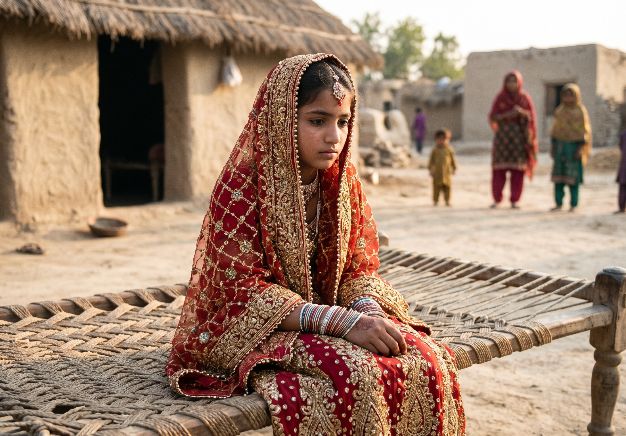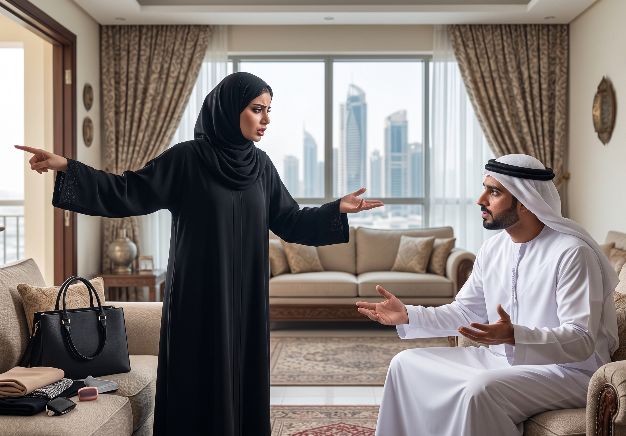

Marriage is considered a sacred bond in Pakistani society, bringing two individuals together with the expectation of a lifelong commitment. But what happens when one of the partners is divorced? While divorce and remarriage may not be considered unusual in many parts of the world, they remain sensitive and often controversial subjects in Pakistan. Differences between social attitudes and religious teachings can create significant challenges for divorced women who wish to rebuild their lives and find a new life partner.
This blog explores the difficulties divorced women face in Pakistani society, the social attitudes that contribute to these challenges, and the role that society and religious institutions can play in creating a more accepting environment.
Differences Between Pakistani Social Norms and Religious Teachings
Pakistani society often reflects a considerable gap between cultural traditions and religious teachings. Women may face social pressure to marry within their social class, religious community, and family background. These expectations can make finding a suitable life partner particularly challenging for divorced women.
Unfortunately, some people view divorced women as damaged or undesirable, treating them as if their previous marriage has diminished their worth. Such attitudes are not only unfair but also harmful to women's dignity and self-confidence.
Women in Pakistan are often expected to fulfil specific roles within marriage and family life. In some traditional households, an ideal wife is expected to obey her husband without question and prioritise his needs over her own ambitions. Whether a woman wishes to pursue higher education, develop her career, or make independent decisions, she may face criticism for placing importance on her personal growth.
These expectations can become even more restrictive for divorced women, who may already be dealing with emotional challenges and social judgement. However, religious teachings emphasise dignity, fairness, and respect for individuals. Divorce does not diminish a woman's worth, nor does it take away her right to seek happiness and companionship again.
How Social Attitudes Affect Divorced Women
Divorced women in Pakistan often encounter several social and emotional challenges when considering remarriage. One of the most significant barriers is the stigma associated with divorce. In many communities, divorce is viewed as a personal failure rather than a possible outcome of an incompatible or unhealthy marriage.
Women are frequently held responsible for the breakdown of a marriage, even when the circumstances are complex or the responsibility lies with both partners. As a result, a divorced woman may face criticism, humiliation, and unwanted questions about her past.
Finding a suitable life partner can consequently become a difficult and emotionally exhausting process. Some families hesitate to consider a divorced woman for their sons, fearing criticism from relatives or concerns about social reputation. Even when a man is willing to marry her, he may face resistance from his family and community.
Such attitudes overlook an important fact: a person's marital history does not determine their character, values, or ability to build a healthy relationship. Every individual deserves the opportunity to move forward and make decisions about their future without being unfairly judged for the past.
Advantages and Challenges of Marrying a Divorced Woman
Like any marriage, a relationship with a divorced woman has its own circumstances, expectations, and considerations. Rather than making assumptions based on marital status, it is more useful to understand the individual and the experiences that have shaped her life.
Potential Advantages
A divorced woman may have gained valuable life experience through her previous marriage. She may have a clearer understanding of her expectations, personal boundaries, and the qualities she values in a life partner.
Her experiences may also help her recognise the importance of communication, mutual respect, emotional maturity, and shared responsibility in a marriage. Having faced difficult circumstances, she may have developed resilience and greater independence.
However, these qualities are not exclusive to divorced women. Every individual has a different personality and life experience, and compatibility depends on the people involved rather than their marital history alone.
Challenges to Consider
Some divorced women may have experienced emotional distress, disappointment, or a loss of trust during their previous marriage. As a result, they may need time, patience, and reassurance before feeling comfortable entering another relationship.
A prospective partner should approach such circumstances with understanding rather than judgement. Open communication, emotional support, and realistic expectations can help both individuals build trust and establish a healthy foundation for their future together.
Family opposition may also create difficulties. A couple may need to address concerns about their previous relationships, family responsibilities, children, or other practical matters. These issues should be discussed respectfully and honestly before marriage.
Ultimately, a successful marriage depends on mutual understanding, commitment, compatibility, and respect. A person's divorce history alone cannot determine whether a future marriage will succeed or fail.
The Role of Society and Religion in Changing Perceptions
In Pakistan, remarriage after divorce is sometimes treated as a source of embarrassment for the family rather than an individual's personal choice. Some people assume that a divorced woman must have done something wrong to deserve her circumstances. Such assumptions can reinforce discrimination and prevent women from moving forward with confidence.
Religious teachings, however, provide a different perspective. Islam permits divorce under certain circumstances and recognises remarriage as a legitimate choice. A divorced woman should not be deprived of respect or the opportunity to establish a new family simply because her previous marriage ended.
Religious scholars, community leaders, and family elders can play an important role in addressing misconceptions about divorce and remarriage. By promoting accurate religious understanding, they can help families distinguish between cultural prejudices and religious principles.
Families also have a responsibility to support their daughters, sisters, and other relatives who have experienced divorce. Instead of treating remarriage as a matter of family honour, they can focus on the individual's happiness, safety, compatibility, and long-term well-being.
A more supportive society would allow divorced women to make informed decisions about their futures without facing unnecessary humiliation or social exclusion.