
In Pakistan, the wedding season usually begins in October, as the summer heat fades. However, over the past decade, Punjab, particularly Lahore, has witnessed another season arriving alongside the celebrations: smog season. While weddings bring joy, colours, and festivities, smog brings air pollution, health concerns, and environmental challenges that affect millions of people.
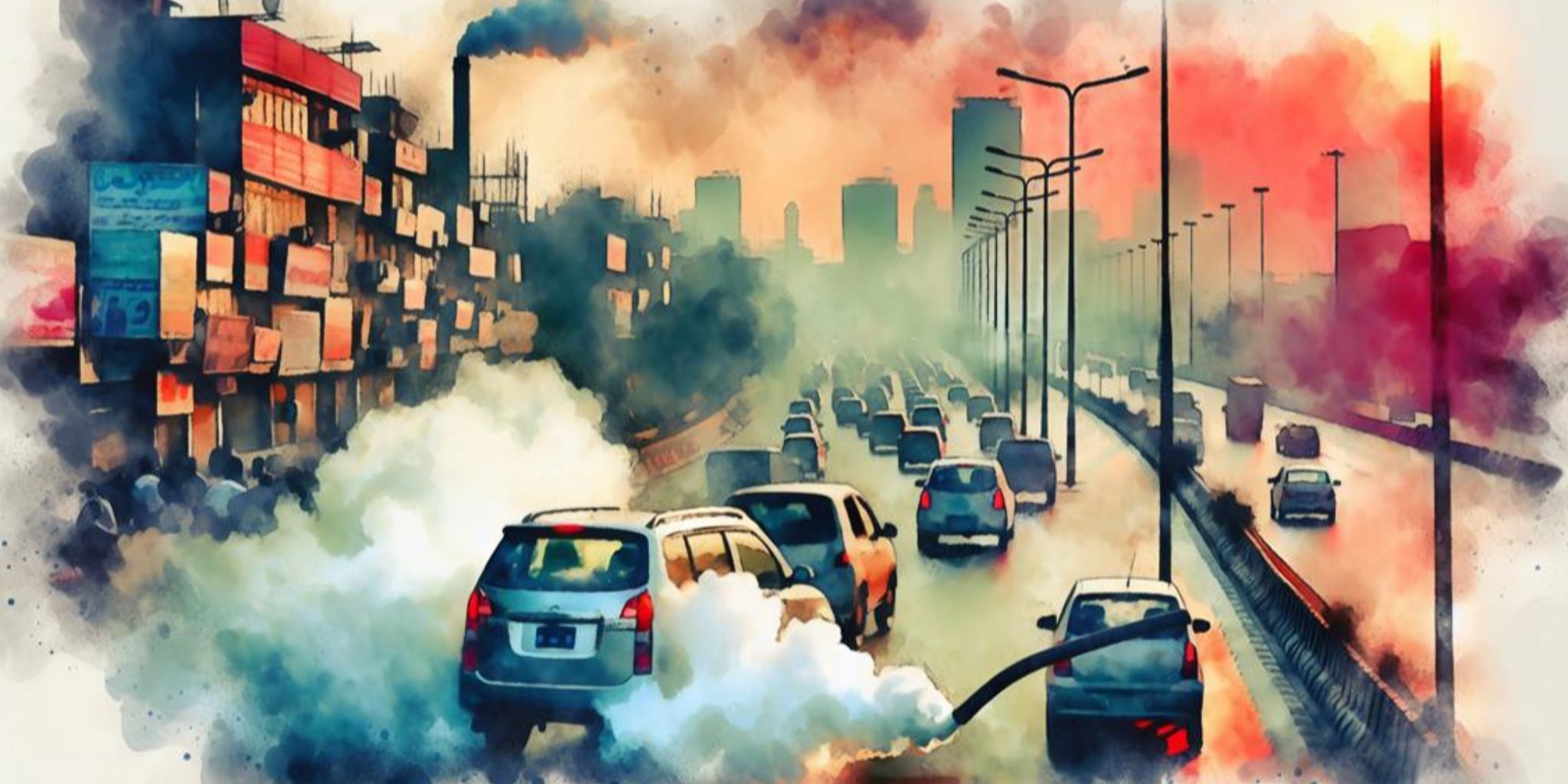
Smog is a form of air pollution that often appears as a yellowish or dark haze in the atmosphere. It consists of tiny particles and pollutants that combine with gases, moisture, and other substances in the air. Industrial emissions, vehicle exhaust, and the burning of garbage release harmful pollutants, including sulphur dioxide and nitrogen oxides. When these pollutants interact with sunlight, they contribute to the formation of smog. During winter, low wind speeds and certain atmospheric conditions prevent pollutants from dispersing, allowing smoke and fog to accumulate and worsen air quality.
The effects of smog on human health can be serious. It can aggravate asthma and other respiratory conditions, cause breathing difficulties, irritate the eyes and throat, and increase the risk of respiratory infections. Prolonged exposure to polluted air can also affect overall well-being. The environment suffers as well, as air pollution can damage plants, affect their growth, and harm crops and forests.
Lahore's Beauty and the Growing Threat of Smog

Smog has increasingly become a major concern for Lahore and its residents. Severe air pollution affects daily life, threatens public health, and damages the city's image. Industrial activity, vehicle emissions, crop residue burning, construction dust, and other sources contribute to the problem. The responsibility for addressing it lies with government institutions, industries, businesses, and citizens alike.
Lahore's residents are known for their love of celebrations, music, and lively wedding festivities. Yet it is important to ask whether our desire for grand celebrations sometimes comes at the cost of our own health and the well-being of those around us. Enjoying a wedding should not require us to overlook the environmental consequences of excessive consumption and unnecessary activities.
A New Beginning with a Greener Mindset

As the wedding season approaches, families can make thoughtful choices by reducing unnecessary functions, avoiding food waste, using resources responsibly, and encouraging guests to travel together where practical. Wedding venues and service providers can also contribute by managing waste properly, reducing excessive energy use, and avoiding practices that add to air pollution.
No single wedding or individual decision can solve Lahore's smog crisis. Meaningful progress requires consistent environmental policies, effective enforcement, cleaner transport, responsible industrial practices, and public cooperation. Nevertheless, small changes in our social habits can support a broader culture of environmental responsibility.
The true beauty of a wedding lies in the happiness it brings, the relationships it strengthens, and the memories it creates. By celebrating responsibly, we can welcome a new chapter in life without placing an unnecessary burden on our environment.
This wedding season, let us remember that a new beginning should also mean a better future. After all, what is the value of a beautiful celebration if the air we breathe continues to threaten our health and the lives of future generations?