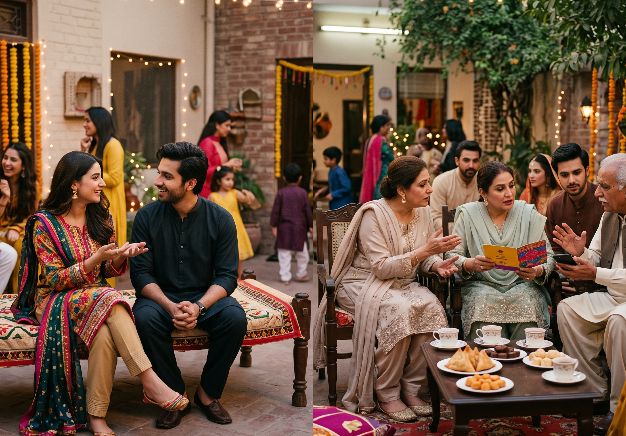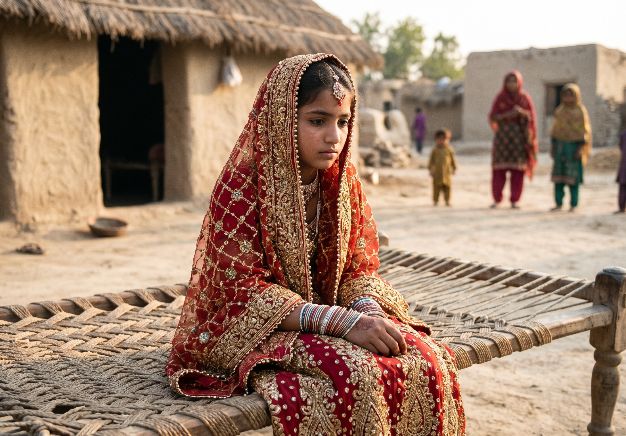

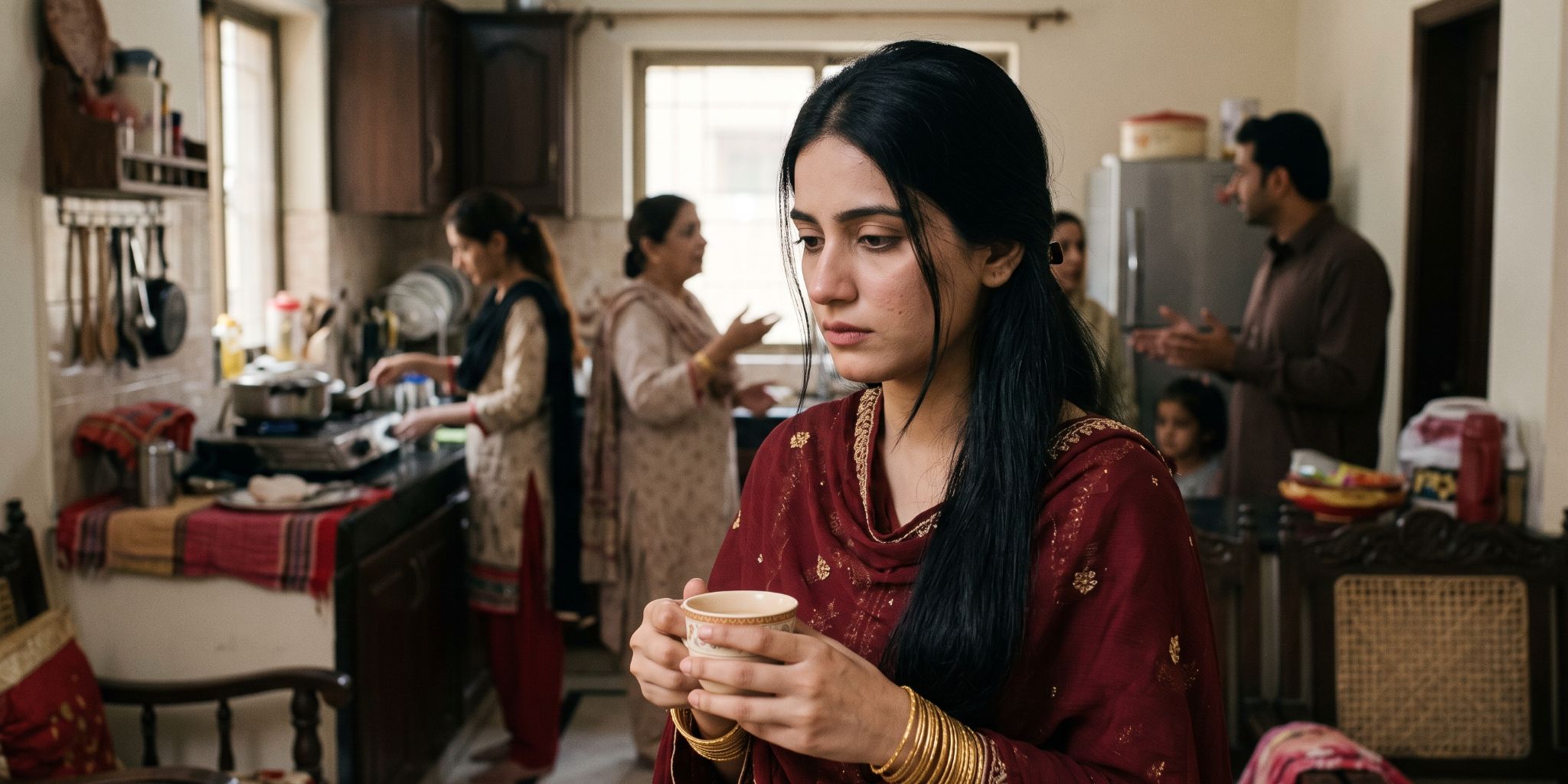
In Pakistani society, when a woman gets married, she often begins hearing comments and advice that unmarried women rarely encounter. From unsolicited suggestions to judgmental remarks, newly married women frequently find themselves at the center of endless discussions. Marriage is one of the most significant milestones in a person's life. Still, in traditional societies, it is often viewed as a major adjustment for women, requiring them to adapt to an entirely new environment.
Across South Asian countries, including Pakistan, marriage is commonly associated with increased domestic responsibilities for women. While men are often seen as independent decision-makers, women are expected to manage household affairs and depend on others in many aspects of their lives. After marriage, women may face criticism from relatives, expectations from their spouses, and scrutiny from in-laws. Alongside these pressures comes a constant stream of advice and personal comments. Let's explore some of the common things Pakistani women are often expected to hear after marriage.
“You Don't Look Married!”
In many parts of Pakistani society, people associate marriage with a particular style of dressing and appearance. If a woman continues to dress the same way she did before marriage or does not adopt a more traditional look, she may hear remarks such as:
"Why haven't you changed your dressing style after marriage?" "How do you still find time for these activities after getting married?".There is often an expectation that married women should immediately adopt a more conventional appearance and lifestyle.
“How Do You Balance Your Career and Home Life?”
Working women are frequently asked questions like:
"How do you manage both your professional and personal life?""Doesn't your career affect your married life?"Why don't you stay home and focus on household responsibilities?"
Despite tremendous progress in education and workplace opportunities for women, many still face questions that imply a successful marriage and a professional career cannot coexist.
“Can You Even Do Household Chores?”
Another common assumption is that a married woman should naturally be skilled at cooking, cleaning, and managing a household. Questions such as:
"Do you know how to cook?"Can you handle all the housework?"How are you managing if you don't know these things?"
are often directed toward newly married women. Such comments reinforce the belief that domestic responsibilities are solely a woman's duty, regardless of her personal or professional commitments.
“When Are You Planning to Have a Baby?”
Perhaps one of the most frequently asked questions after marriage concerns children. Newly married women often face inquiries like:
"When are you planning to have a baby?"Why are you waiting so long?"
In many families, the pressure to provide heirs falls disproportionately on women, making these personal questions both intrusive and stressful.
Comments About Physical Appearance
Marriage often brings another form of unwanted attention: remarks about physical appearance. Women may hear comments such as:
"Have you gained weight after marriage?" "You've become so thin!"
"You hardly come out anymore." "You don't look the same as before."
These seemingly casual observations can be hurtful and contribute to unnecessary pressure regarding appearance and lifestyle choices.
The Pressure to Keep In-Laws Happy
Many women are expected to prioritize the happiness and comfort of their in-laws above everything else. They may constantly hear advice about being more accommodating, making sacrifices, or adjusting their behavior to meet family expectations. While maintaining healthy family relationships is important, the burden of keeping everyone happy often falls unfairly on women.
Marriage should be a partnership built on mutual respect, understanding, and support. However, societal expectations and traditional stereotypes often place additional pressure on women, subjecting them to constant scrutiny and unsolicited advice. Recognizing these attitudes is the first step toward creating a more supportive and equitable environment where married women can live according to their own choices and aspirations.