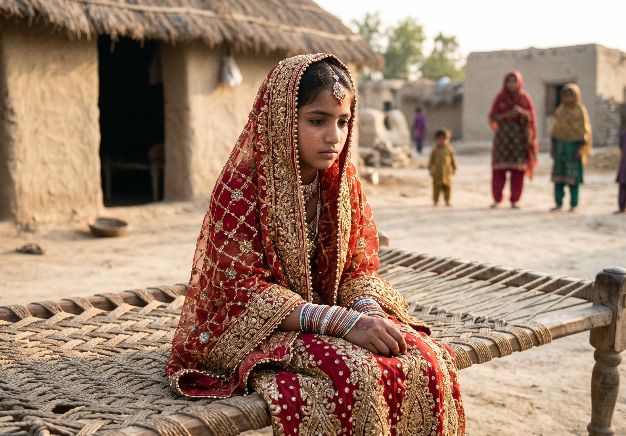

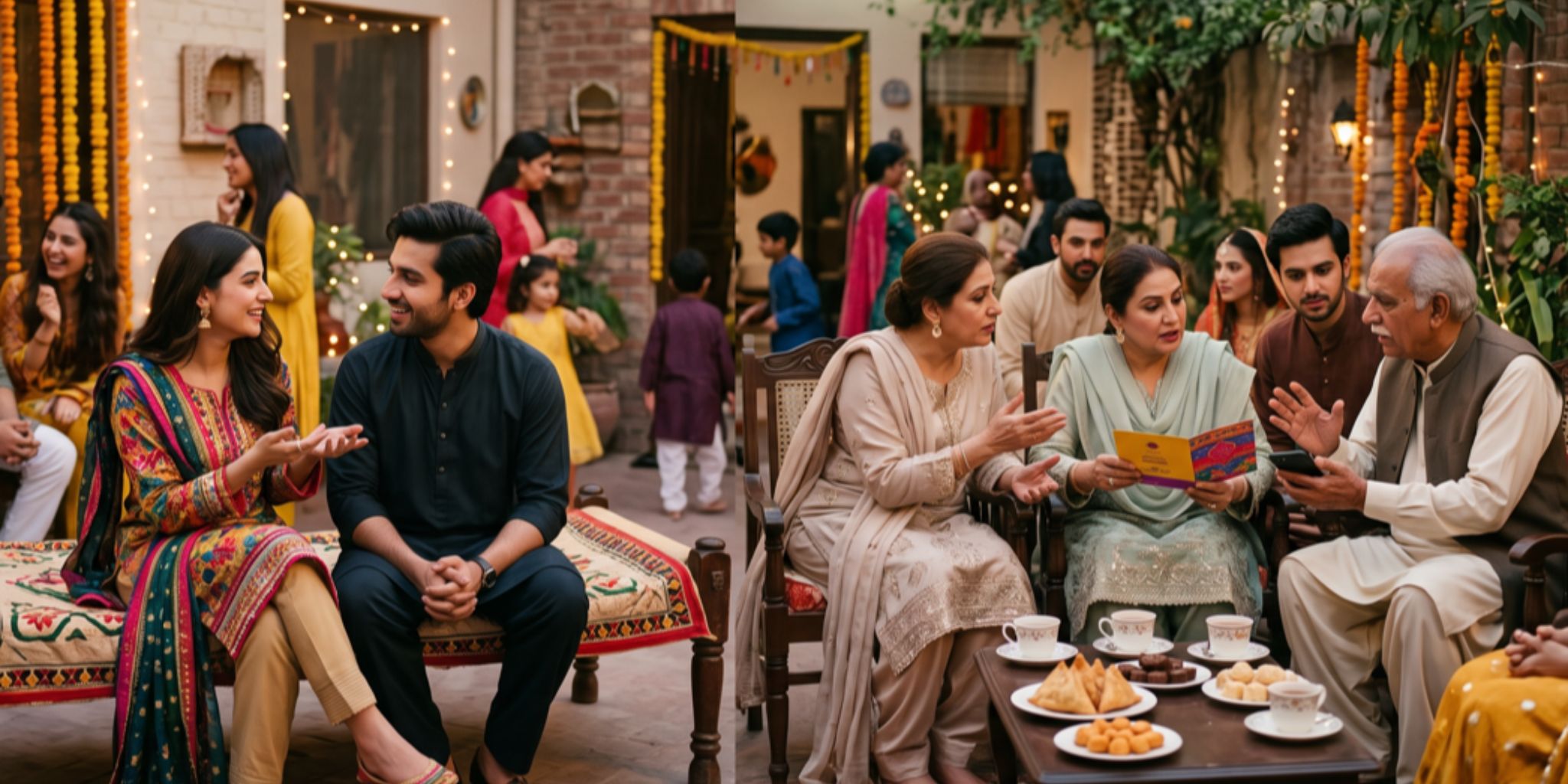
Marriage is one of the most important decisions in a person's life. In Pakistan, where family values, cultural traditions, and social expectations play a significant role, choosing a life partner is not always a decision made by two individuals alone. Families are often involved in the process, and their opinions can influence the final choice. However, as society changes, young Pakistanis are increasingly thinking about compatibility, personal preferences, emotional connection, and mutual understanding when choosing a spouse. This has raised an important question: Love marriage or arranged marriage which approach works best in modern Pakistan?
Understanding Love Marriage in Pakistani Society
Love marriage is a relationship in which two individuals develop an emotional connection and decide to marry after getting to know each other. They may meet through education, work, mutual friends, social gatherings, or other circumstances. In many cases, the couple chooses their partner first and then seeks approval from their families.
One of the main advantages of love marriage is that the individuals may already understand each other's personalities, interests, and expectations. They have often spent time discussing their goals, values, and plans for the future. This familiarity can help them develop trust and emotional closeness before marriage.
However, love marriage also comes with challenges. Sometimes, couples discover differences in their lifestyles, financial expectations, family values, or long-term goals after marriage. Emotional attachment alone cannot guarantee a successful relationship. Family disagreements may also create difficulties, particularly when parents have concerns about compatibility, cultural differences, or family backgrounds.
For this reason, couples need to look beyond romantic feelings and consider whether they are prepared to share responsibilities and manage the practical realities of married life.
Understanding Arranged Marriage in Pakistan
Arranged marriage remains an important part of Pakistani society. In this approach, families, relatives, or matchmaking services help individuals find suitable marriage proposals. Parents may consider education, profession, family background, values, religious preferences, and financial stability when evaluating a potential match.
One advantage of arranged marriage is the involvement of families who may offer guidance and support throughout the process. Parents and elders can help individuals evaluate important aspects of a proposal that might otherwise receive less attention. Family involvement can also help both households build a relationship before the wedding.
However, arranged marriage is not automatically successful simply because families approve of the match. If individuals have little opportunity to communicate before marriage, they may struggle to understand each other's personalities, expectations, or plans. Family pressure can also lead to decisions that do not reflect an individual's wishes.
A successful arranged marriage therefore requires more than family approval. Both individuals must have the freedom to make their own decisions, ask important questions, and determine whether they are comfortable with the proposed relationship.
What Matters More Than the Type of Marriage?
The success of a marriage cannot be determined solely by whether it begins with love or through an arranged proposal. A relationship needs several important foundations.
Both partners should value each other's opinions, boundaries, ambitions, and individuality. Couples should feel comfortable discussing difficult subjects rather than avoiding disagreements until they become serious problems.
Understanding each other's personalities, emotional needs, and ways of expressing affection can help build a stronger relationship. Decisions about finances, careers, children, household responsibilities, and family involvement should be discussed before marriage.
Both individuals must be willing to marry. Consent should never be replaced by family pressure, social expectations, or fear of disappointing others. Marriage involves adapting to changing circumstances, resolving disagreements, and supporting each other through different stages of life.
These factors are important regardless of how a couple meets or who initially suggests the match.
Finding the Right Life Partner in Modern Pakistan
During Pakistan's wedding season, conversations about marriage often become more frequent. Weddings can bring happiness and excitement, but they may also create pressure for people who are searching for a suitable partner or whose families are waiting for them to settle down.
Instead of rushing into a decision because friends or relatives are getting married, individuals should take time to understand their own priorities. They should consider the qualities that matter most in a spouse and distinguish between essential values and preferences that may be flexible.
Families can also make the process easier by listening to their children's expectations, avoiding unnecessary comparisons, and allowing prospective partners sufficient time to communicate. Whether a proposal comes through relatives, friends, or a matrimonial platform, the objective should be to find a compatible partner rather than simply complete a wedding.
Matchmaking services can help individuals and families explore suitable proposals according to their preferences. However, a service can facilitate introductions; the decision to marry should always be based on mutual understanding, compatibility, and consent.
The Right Match Matters More Than the Method
Love marriage and arranged marriage both have a place in modern Pakistan. Each approach offers different opportunities and challenges, and neither can guarantee a successful married life. Love can create an emotional connection, while family guidance can provide support and a broader perspective. Both can be valuable when accompanied by mutual respect, honest communication, and freedom of choice.
Ultimately, the most important question is not whether a marriage is based on love or arranged through family involvement. It is whether two people understand each other, share compatible expectations, and genuinely want to build a life together.
A successful marriage begins not with the label of love marriage or arranged marriage, but with the choice of a compatible partner and a commitment to building a respectful relationship.