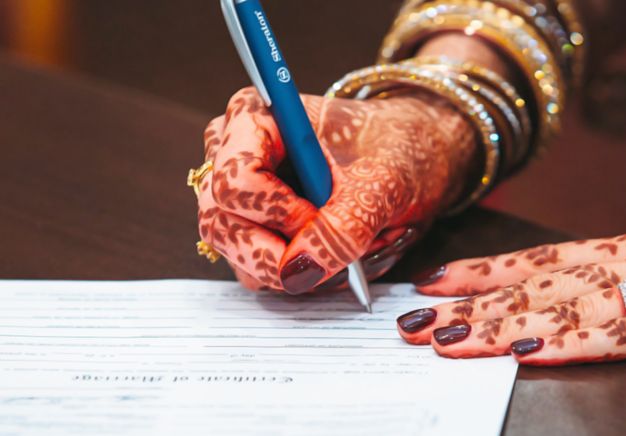

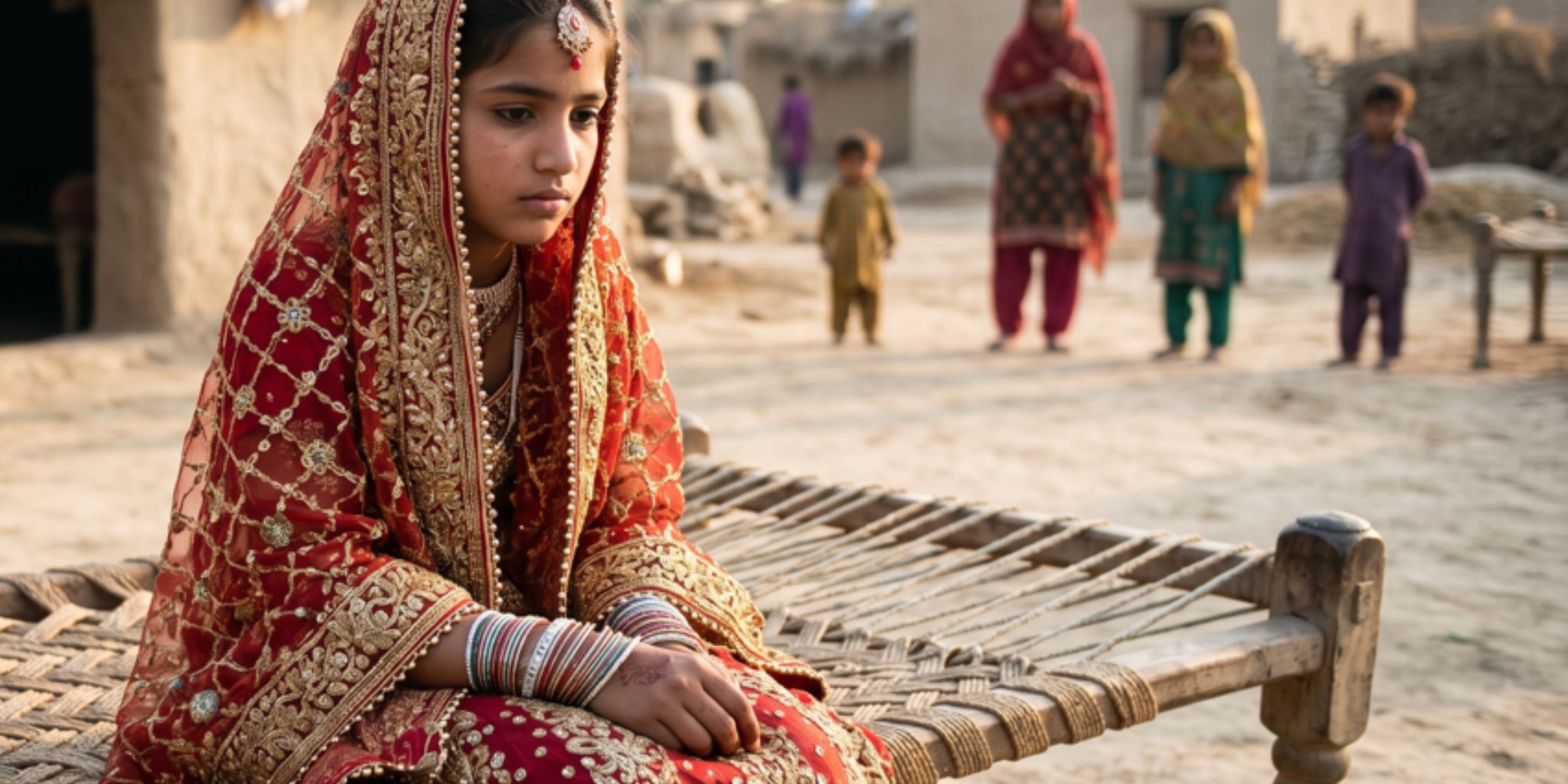
Marriage is one of the most important decisions in life, requiring emotional maturity, responsibility, and an understanding of future commitments. However, child marriage remains a significant social issue in Pakistan, affecting children's education, health, personal development, and future opportunities. Recent attention to statistics on child marriage in Sindh highlights the need to protect children's rights and create better opportunities for young people.
What Do the Statistics Reveal About Child Marriage in Sindh?
According to the report The State of Children in Pakistan 2024, prepared by the National Commission on the Rights of the Child in collaboration with UNICEF, child marriage continues to be an important concern in Pakistan.
The reported statistics show that in Sindh, 24.7% of women aged 20–24 had been married before reaching the age of 18. Similarly, 7.5% of girls had been married before completing the age of 15.
The report also provides statistics on early marriage among men. According to the available figures, 8.5% of men in Sindh had married before the age of 18, while 2.2% had married before completing the age of 15.
These figures highlight that child marriage is not limited to girls, although girls may experience particularly serious consequences because of early pregnancy, health risks, interrupted education, and unequal social expectations.
It is important to note that the figures for Sindh are based on data from the Multiple Indicator Cluster Survey (MICS) 2018–19. Therefore, they should not be interpreted as the current prevalence of child marriage in 2026. Instead, they provide insight into the situation during the survey period and underline the importance of continued research and effective prevention measures.
Why Does Child Marriage Occur?
Child marriage is influenced by several interconnected social, economic, and cultural factors. Poverty is one of the major challenges. Families facing financial difficulties may view early marriage as a way to reduce economic pressure or fulfil perceived social responsibilities.
Limited access to education is another important factor. When children, particularly girls, cannot continue their education because of financial difficulties, a lack of educational facilities, or restrictive social attitudes, their opportunities for personal and professional development become limited.
Social expectations and gender inequality can also contribute to early marriage. In some communities, girls may be expected to marry at a young age rather than pursue higher education or develop independent career opportunities. Boys may also face pressure to accept adult responsibilities before they are emotionally or financially prepared.
Addressing child marriage requires an understanding of these underlying causes rather than placing the entire responsibility on individual families. Economic support, accessible education, community awareness, and effective legal protection are all essential to bringing lasting change.
How Does Child Marriage Affect Children's Futures?
Child marriage can have long-term consequences for education, physical health, emotional well-being, and social development.
One of the most immediate effects is the disruption of education. Children who marry early may struggle to continue their studies because of household responsibilities, financial pressures, or family expectations. Leaving school early can reduce their chances of obtaining higher education, securing stable employment, and achieving financial independence.
For girls, early marriage may also increase health risks, particularly when pregnancy occurs during adolescence. Young mothers may face additional physical and emotional challenges while managing responsibilities for which they may not be adequately prepared.
Boys can also experience difficulties after marrying at a young age. Expectations to earn a living, support a household, and meet family responsibilities can create significant stress. These pressures may interfere with their education, career development, and emotional growth.
Marriage involves more than establishing a relationship. It requires communication, mutual respect, financial planning, emotional maturity, and the ability to make responsible decisions. Giving young people sufficient time to develop these skills can help them build healthier and more stable relationships in adulthood.
The Role of Parents and Families
Parents and families have an important role in preventing child marriage. Decisions about children's futures should consider their education, well-being, personal development, and individual aspirations.
Instead of placing pressure on children to marry early, families should encourage them to complete their education and develop the knowledge and skills needed for adult life.
Open communication between parents and children is equally important. Young people should have opportunities to express their concerns, discuss their ambitions, and participate in conversations about decisions that affect their futures.
Families also need access to reliable information about the consequences of child marriage and the importance of children's rights. Community support can help parents understand that investing in education and personal development can create better long-term opportunities for their children.
Education and Awareness Can Help Bring Change
Preventing child marriage requires coordinated efforts from government institutions, educational organisations, community leaders, families, and the media. The government must ensure that applicable child protection laws are effectively implemented and that families have access to information about legal requirements and children's rights. Reliable and updated data are also necessary to understand the scale of the problem and identify communities that need additional support.
Educational institutions can contribute by teaching students about personal development, health, their legal rights, and the importance of continuing education. Providing financial assistance and improving access to schools can also help reduce the economic and practical barriers that prevent children from completing their studies.
The media has an important role in raising awareness and encouraging public discussion. Newspapers, television programmes, online publications, and social media campaigns can explain the consequences of child marriage and highlight the importance of education and child protection.
However, awareness campaigns should approach the issue sensitively. Rather than blaming families, they should explain the social and economic pressures that contribute to early marriage and provide information about available support and practical solutions.