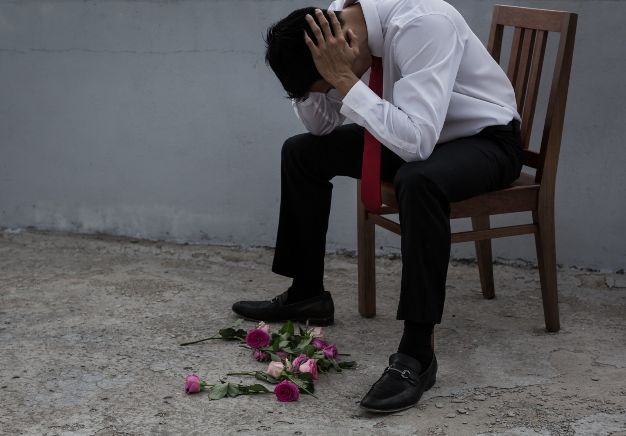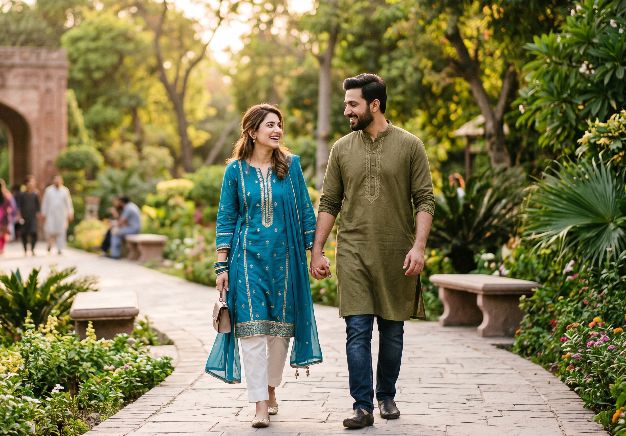


Marriage is a sacred bond that unites two individuals in a lifelong relationship. However, in some cases, this bond may end due to death, divorce, or other circumstances. When this happens, the possibility of remarriage often arises. While remarriage after the loss of a spouse or divorce has become more socially acceptable in many communities, second marriage, particularly when the first spouse is still living, remains a sensitive and controversial topic.
In many societies, second marriage is often viewed negatively and is sometimes perceived as a form of disloyalty or betrayal toward the first spouse. The social stigma attached to second marriages can create significant challenges for those who choose this path, leading to social exclusion, criticism, emotional distress, and strained family relationships. Women, in particular, frequently face greater difficulties, as society often places the blame for marital failure on them. They may be expected to remain emotionally attached to their previous marriage, which can make it difficult to move forward and build a new life.
Islam, however, approaches the issue of second marriage from a different perspective. Islamic teachings permit a Muslim man to marry up to four wives, provided that he treats them all with complete fairness and justice. This permission is not an obligation, and men are not required to marry more than one woman. In fact, the Holy Quran clearly states that if a man fears he cannot maintain justice among multiple wives, he should marry only one.
Allah Almighty says in the Holy Quran:
“Marry women of your choice, two, three, or four; but if you fear that you will not deal justly with them, then marry only one.”
(Surah An-Nisa, 4:3)
The principle of justice is central to Islamic teachings regarding polygamy. Maintaining equal treatment in terms of financial support, time, care, and other marital rights is a serious responsibility. The Prophet Muhammad (peace be upon him) strongly warned against favoritism between wives. Hazrat Abu Hurairah (RA) narrated that the Prophet (peace be upon him) said:
“Whoever has two wives and inclines toward one of them will come on the Day of Resurrection with one side of his body leaning.”
(Musnad Ahmad)
This hadith highlights the severity of failing to fulfill the obligation of fairness between spouses.
Therefore, Islam allows second marriage only under the condition that justice can be maintained. If a man is unable to fulfill the financial, physical, or emotional rights of more than one wife, he is not permitted to marry again. Moreover, if he cannot adequately fulfill the rights of even one wife, then marriage itself becomes a matter requiring serious consideration.
In Pakistan, second marriage is not only governed by Islamic principles but also by legal regulations. Under the Muslim Family Laws Ordinance, a man seeking a second marriage must follow specific legal procedures. He is required to submit an application to the Chairman of the local Union Council, explaining the reasons for the proposed marriage and whether consent from the first wife has been obtained.
Upon receiving the application, the Chairman forms an Arbitration Council consisting of representatives nominated by both husband and wife. This council reviews the reasons for the proposed second marriage and decides whether permission should be granted.
According to the law, if a man contracts a second marriage without obtaining the required permission, he may face legal consequences. These may include imprisonment, a fine, or both. Additionally, he may be required to immediately pay any mehr owed to the first wife.
Despite the legal and religious framework surrounding second marriage, societal attitudes often remain negative. Many people continue to view second marriages with suspicion or disapproval, regardless of the circumstances involved. This highlights the ongoing tension between cultural traditions, social expectations, and Islamic teachings.
Ultimately, Islam emphasizes justice, responsibility, and compassion rather than encouraging or discouraging second marriage outright. Whether considering a first or second marriage, individuals are expected to act with sincerity, fairness, and respect for the rights of all parties involved. By understanding both the religious principles and legal requirements, society can develop a more balanced and informed perspective on second marriage.