

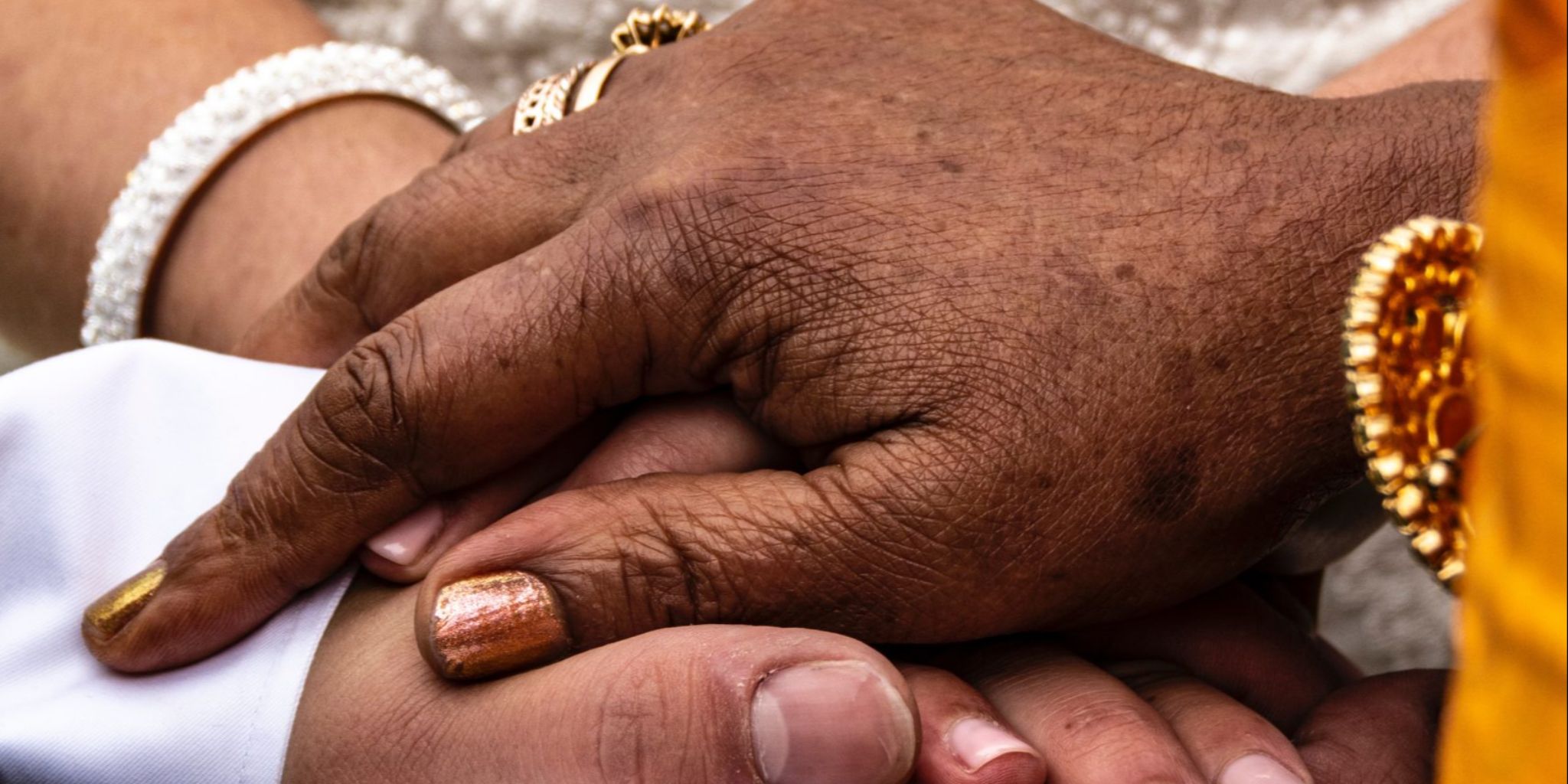
Like many countries around the world, Pakistan has a long-standing tradition of marriage between close relatives, commonly known as cousin marriage. However, in some families, this practice has become so deeply rooted that young men and women remain unmarried simply because a suitable match cannot be found within the family. In such households, marriage outside the family is often considered unacceptable.
One of the primary reasons behind this trend is the desire to keep family wealth, property, and inheritance within the family circle. Many people also believe that marriages among relatives strengthen family bonds and preserve family unity. In reality, however, the outcome is often quite different. When marital disputes arise, conflicts can spread throughout the extended family, leading to strained relationships, separation, and even divorce.
Despite these concerns, cousin marriages remain extremely common in Pakistan. According to survey data from 2017–2018, approximately 73% of marriages in the country take place between relatives. The survey further revealed that 29% of women married within their father's family, while 21% married within their mother's family.
Traditional media has also played a role in normalizing and romanticizing cousin marriages. Pakistani television dramas such as Humsafar and Suno Chanda portrayed cousin relationships as ideal romantic partnerships, contributing to the continued popularity of this practice among viewers.
Health Risks Associated with Cousin Marriages
One of the most significant concerns surrounding cousin marriages is their impact on the health of future generations. Medical research has shown that children born to closely related parents face a higher risk of inheriting genetic disorders and congenital conditions. These health problems can include both physical and intellectual disabilities, some of which may require lifelong medical care and, in certain cases, may not be fully treatable.
The financial burden associated with treating genetic disorders has also increased dramatically over time. Conditions that were once relatively inexpensive to manage now require costly medical interventions, creating additional challenges for affected families and healthcare systems.
Lessons from Other Countries
Several countries that once had high rates of cousin marriages have taken steps to reduce the practice through public awareness campaigns and education. According to reports, first-cousin marriages were once common in Israel, accounting for a significant percentage of marriages. As awareness about the associated health risks increased, nationwide campaigns were launched to educate the public. Religious leaders also participated in these efforts by discouraging the practice and promoting healthier marital choices.
Similarly, countries such as Egypt and Saudi Arabia have worked to raise awareness about the potential consequences of cousin marriages through educational initiatives and public health programs. These efforts have helped many families make more informed decisions regarding marriage and family planning.
The Need for Awareness in Pakistan
Pakistan can benefit from similar awareness campaigns aimed at educating people about both the social and health implications of cousin marriages. Public health experts, educators, community leaders, and religious scholars can all play an important role in spreading accurate information about genetic risks and encouraging informed decision-making.
The goal is not to criticize cultural traditions but to ensure that individuals and families understand the potential consequences of their choices. Greater awareness can help reduce the incidence of preventable genetic disorders, improve public health outcomes, and contribute to the well-being of future generations.
By promoting education and informed decision-making, Pakistan can take meaningful steps toward protecting its children from avoidable health challenges and ensuring a healthier future for generations to come.