
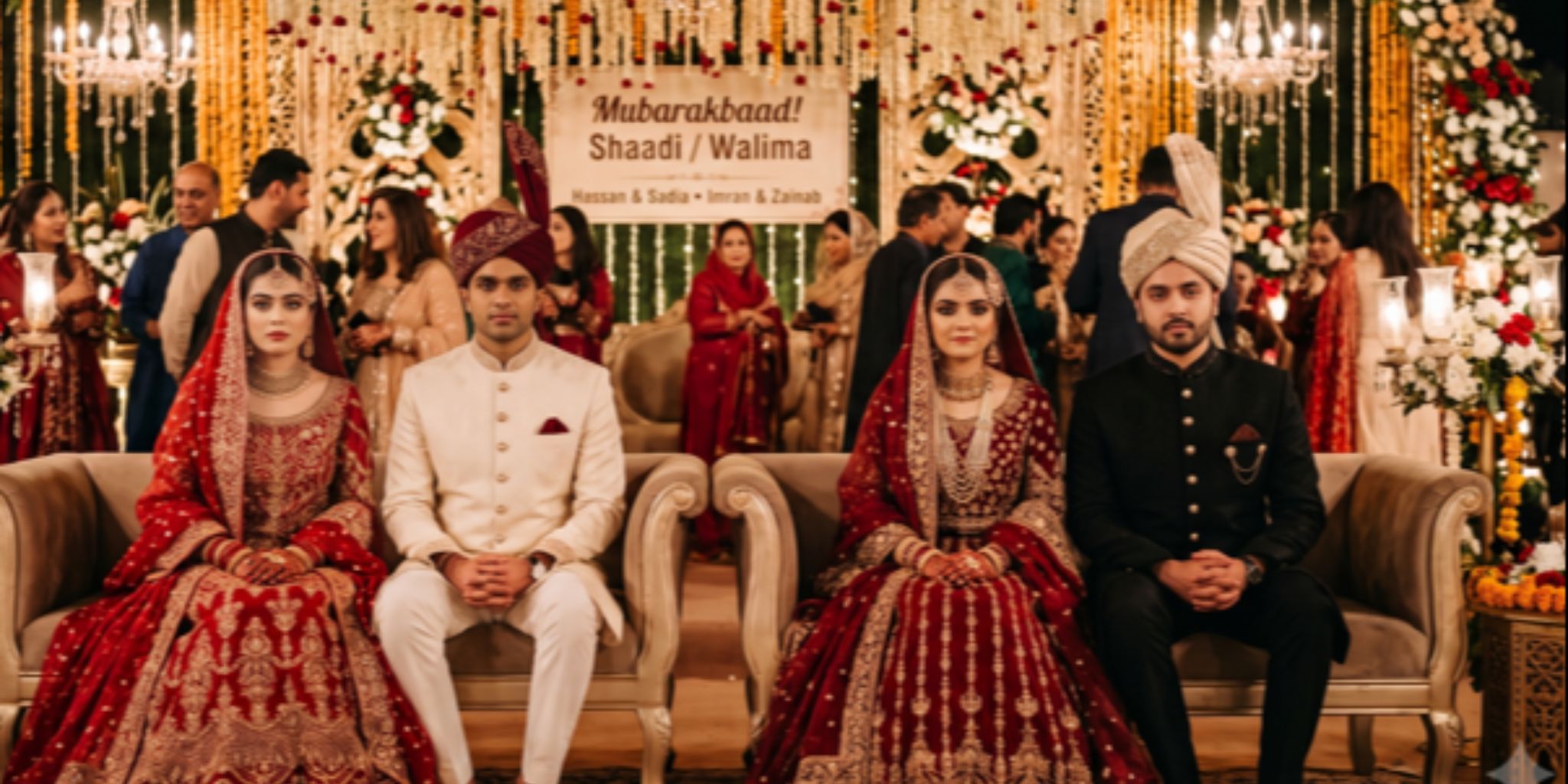
Marriage is meant to be a bond based on mutual respect, understanding, and consent. However, in many parts of Pakistan, particularly in rural areas, a traditional practice known as “Watta Satta” continues to influence marital arrangements. Watta Satta refers to an exchange marriage in which a brother and sister from one family marry a sister and brother from another family. In simple terms, two families exchange brides as part of a reciprocal arrangement.
It is estimated that a significant percentage of marriages in rural Pakistan are based on the Watta Satta system. Although the practice is more common in villages, some traditional urban families also consider it a guarantee of marital stability. However, this custom often gives rise to numerous social, psychological, and family-related problems. Decisions are frequently made to preserve family interests, maintain property within the family, or strengthen tribal and kinship ties, often without considering the wishes of the individuals involved.
An Atmosphere of Fear and Pressure

Watta Satta creates a system of mutual dependency that can foster fear and emotional pressure between families. If a husband mistreats his wife, there is often an expectation that his sister, who is married into the other family, may face similar treatment in retaliation. As a result, the marriages become interconnected, and conflicts in one household can directly affect another. Instead of promoting harmony, this arrangement can create an environment of constant tension and fear.
Forced Marriages and Lack of Consent

One of the most serious concerns associated with Watta Satta is the lack of individual choice. In many cases, marriages are arranged without considering whether the bride and groom are willing or compatible. Personal preferences, emotional compatibility, age differences, education, and career prospects are often ignored in favor of family interests. Such arrangements can turn marriage into an obligation rather than a voluntary partnership.
The exchange marriage system is also sometimes viewed as an informal method of reducing dowry-related disputes because both families are equally dependent on one another. However, this perceived benefit often comes at the cost of personal freedom and consent.
Domestic Violence and Reciprocal Abuse

Supporters of Watta Satta sometimes argue that the arrangement discourages domestic violence because mistreating one spouse may result in retaliation against another family member. While this may occasionally act as a deterrent, it can also have the opposite effect. Disputes in one marriage can trigger abuse, emotional manipulation, or violence in the other, leaving women particularly vulnerable. In many cases, women become victims of conflicts that have little to do with their own actions.
Watta Satta frequently leads to mismatched marriages. Young girls may be married to significantly older men solely to facilitate another marriage as part of the exchange arrangement. Factors such as education, personality, financial stability, and compatibility are often overlooked. In some cases, families may even arrange marriages for underage girls, violating both legal and ethical standards. When marriages are imposed by family elders or local councils rather than chosen by the individuals concerned, the consequences can affect the entire future of the bride and groom.
The purpose of marriage in Islam is to establish a relationship based on love, mercy, cooperation, and mutual understanding. Since Islam rejects coercion, forced marriages are inconsistent with its fundamental principles. Women are granted the right to choose their spouse, and their consent is essential to a valid marriage. Watta Satta may have originated as a social arrangement designed to strengthen family ties and reduce financial burdens, but in practice it often creates fear, unequal power dynamics, forced unions, and domestic conflict. Sustainable solutions require increased awareness about women's rights, education, legal protections, and informed decision-making in marriage.
To reduce the harmful effects of Watta Satta, the government, media, educational institutions, and civil society organizations must work together to promote awareness about human rights, legal protections, and the importance of free and informed consent in marriage. A healthy society can only be built when marriages are based on mutual choice, compatibility, respect, and dignity rather than social pressure and traditional obligations.