

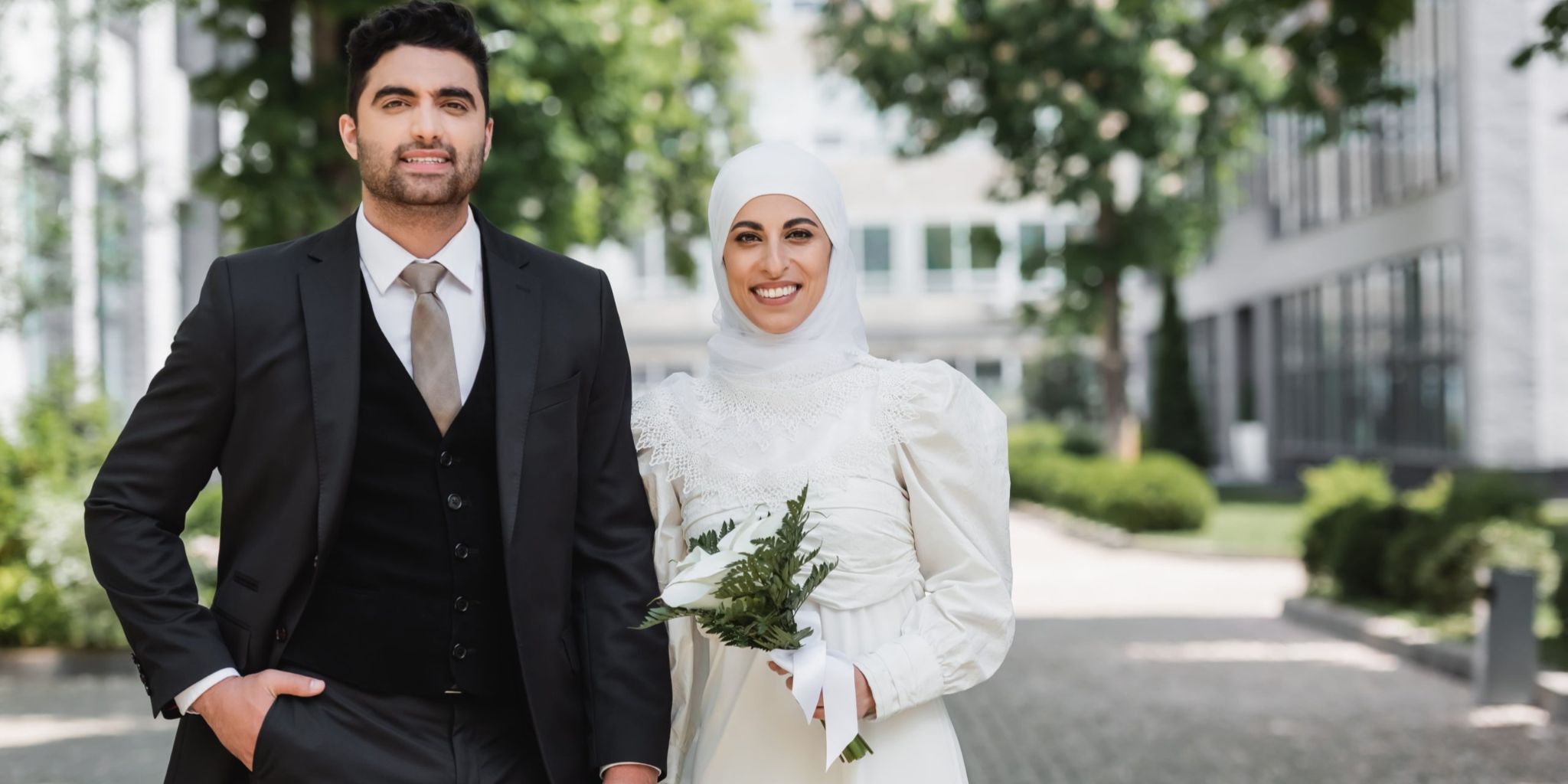
Marriage is one of the most important relationships in the world. It is often considered the foundation of family life and plays a significant role in the continuity of society. However, changing lifestyles, evolving social expectations, and the demands of the modern world have made it increasingly challenging for people to find a suitable life partner and maintain a lasting relationship. While finding the right match can be difficult, divorce rates and relationship breakdowns have also become a growing concern in many societies. In this situation, it is important to understand the potential benefits of marriage and the role it can play in improving individual and family life.
Health Benefits of Marriage

According to research published in the journal Cancer, married people diagnosed with cancer have, in some studies, demonstrated better survival outcomes than unmarried individuals. Researchers suggest that social support, timely medical care, and assistance with treatment may contribute to these differences.
Similarly, research conducted by the Norwegian Institute of Public Health examined the relationship between marital status and dementia. The findings suggested that people who remained in long-term partnerships had a lower risk of developing dementia than those who were divorced or had remained unmarried throughout their lives. Even after considering other factors, such as education and lifestyle habits, a long-term partnership appeared to be associated with better cognitive health.
Although marriage does not guarantee good health or a longer life, a caring and supportive relationship can contribute to a person's overall well-being.
Married People May Experience Greater Life Satisfaction

A study published in the Journal of Happiness Studies examined the relationship between marriage and well-being using long-term data from approximately 30,000 people over 19 years. The research explored the role of friendship between spouses and how this relationship influenced their overall happiness.
The findings suggested that people who viewed their spouses as close friends often reported greater life satisfaction. The companionship and mutual understanding developed within a healthy marriage may continue to provide emotional benefits as couples grow older.
However, happiness is not limited to married people. Many unmarried individuals also lead fulfilling and satisfying lives. Marriage is a personal decision, and its benefits depend significantly on the quality of the relationship. A healthy marriage built on trust, respect, and mutual understanding can offer a valuable source of companionship and emotional support.
Marriage Develops a Sense of Responsibility

A husband and wife may encounter financial difficulties, family responsibilities, health concerns, and unexpected challenges throughout their lives. During such times, both partners need to understand their roles and fulfil their responsibilities with patience and commitment.
Marriage encourages individuals to consider another person's needs alongside their own. This can help develop qualities such as cooperation, understanding, compromise, and accountability. When both partners take responsibility for maintaining their relationship, they can build a stronger foundation for their future together.
A successful marriage does not require either person to sacrifice their individuality. Instead, it requires both partners to respect each other's aspirations while making shared decisions that support their life together.
Economic Benefits of Marriage

In many traditional Eastern households, men have commonly been expected to provide for the family's financial needs. However, women also make significant contributions, whether through paid employment, managing household affairs, caring for children, or supporting other family members.
In modern households, many couples work together to meet their financial obligations. Both partners may contribute to household income, savings, and long-term investments, while also sharing decisions about spending and financial planning.
Even when one partner primarily manages the home, their contribution can be essential to the family's overall well-being. Effective cooperation between spouses can help reduce financial pressure and create opportunities for a better quality of life.
Of course, marriage does not automatically guarantee financial security. Financial benefits depend on the couple's circumstances, employment opportunities, spending habits, and ability to manage responsibilities together. Open communication about money is therefore an important part of building a stable married life.
In Pakistan, where family relationships and marriage hold considerable social and cultural importance, finding a compatible life partner remains a significant concern for many people. For those seeking marriage, the process can be time-consuming, particularly when they have specific preferences regarding education, profession, location, family background, or lifestyle.
According to a widely cited estimate, approximately 22 million people in Pakistan are unmarried and seeking suitable marriage prospects. This highlights the need for accessible and convenient ways to connect individuals and families who are looking for compatible partners.
Matrimonial platforms such as Dil Ka Rishta are helping address this need by making it easier for people to explore suitable proposals according to their preferences. By providing a platform for individuals and families to connect, such services can make the search for a life partner more organised and convenient.