

Pakistan is a developing country, and like many other developing nations, sustainable development is essential for its progress. As a society, we cannot move forward unless we understand the importance of sustainability and learn how to use our resources wisely.
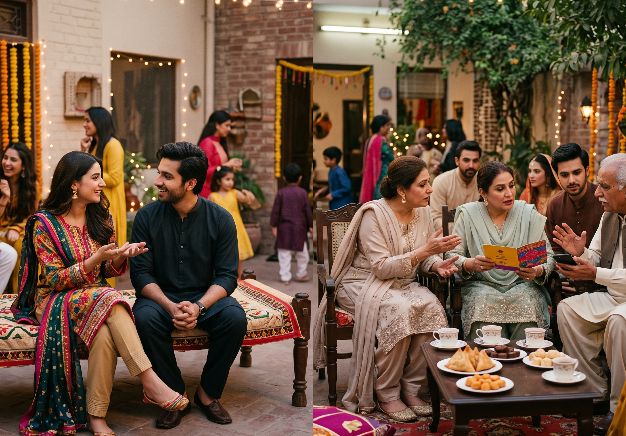
One of the areas where resources are often used excessively in South Asian societies is weddings. A prominent example is the world-famous lavish weddings hosted by the Ambani family. Inspired by such extravagant celebrations, many people feel compelled to spend beyond their means to impress others. Unfortunately, the financial and emotional consequences of these decisions are often borne by the bride and groom for years to come.
The Importance of Saving for the Future

Anyone who thinks seriously about their future and the well-being of their family understands the value of saving. People often make sacrifices in the present to secure a better tomorrow. The same mindset should apply to marriage. Instead of prioritizing temporary displays of wealth and social status, couples and families should focus on long-term financial stability. The money spent on unnecessary wedding rituals and extravagant ceremonies could be invested in more meaningful and productive ways.
Using Resources More Wisely

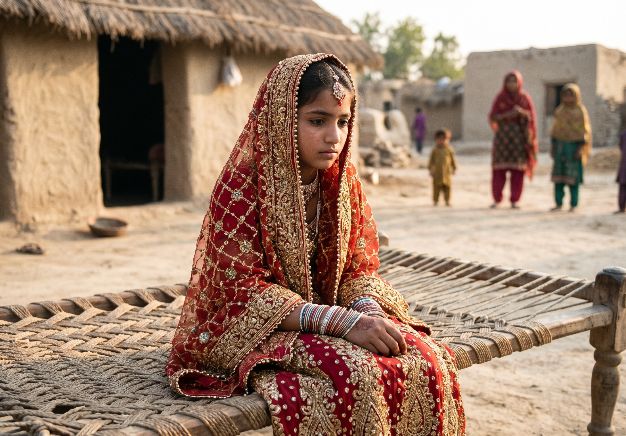
In many families, savings for a girl's wedding begin years before the actual event. Imagine the impact if those same funds were invested in a daughter's education, professional training, or a business venture. Such investments could create opportunities and improve quality of life for years to come.
Unfortunately, many families still prefer to spend a lifetime's savings on a few days of celebrations. Even if the marriage struggles due to incompatibility or ends shortly after, the pressure to maintain family prestige often takes precedence over practical considerations. In some cases, newly married couples spend years repaying debts incurred for a wedding that lasted only a few days.
The Need for Long-Term Planning

Traditional approaches to marriage are still common in our society. In many cases, couples know very little about each other before marriage. Sometimes they have never even met in person, and compatibility is given little consideration. Despite rising divorce rates, enormous amounts of money continue to be spent on wedding ceremonies rather than on building a strong foundation for married life.
If families devoted the same energy to understanding compatibility, communication, and future planning as they do to organizing lavish events, many marriages could be stronger and more successful.
Small Changes Can Create a Big Difference

Meaningful change often begins with small steps. The first step is changing our mindset. We need to recognize the value of simplicity and understand that extravagant weddings do not guarantee a successful marriage. Before trying to host an "Ambani-style" wedding, one must first have Ambani-level resources.
The wedding ceremony itself is far less important than the success and stability of the marriage that follows. Building a happy and secure future requires thoughtful planning, responsible financial decisions, and a commitment to sustainability. By embracing simplicity and focusing on long-term goals, we can create stronger families, healthier finances, and a more sustainable society for future generations.