

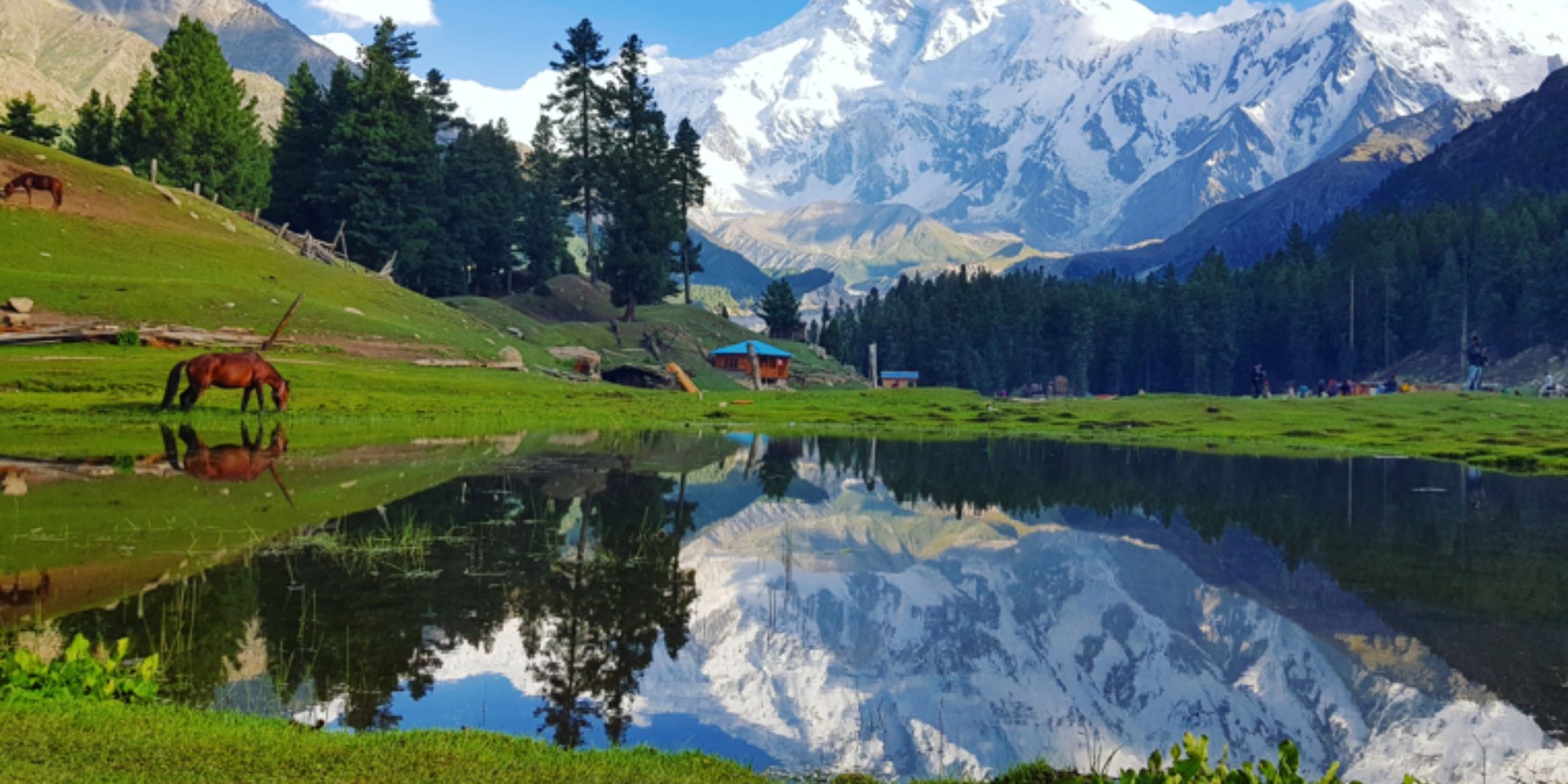
Nestled in the heart of Pakistan’s northern mountains, Hunza Valley is one of the most breathtaking tourist destinations in the country. Located in the Gilgit-Baltistan region along the historic Karakoram Highway, Hunza is often described as a paradise for nature lovers, adventure seekers, and photographers alike.
Situated approximately 700 kilometers from Islamabad and at an altitude of around 2,500 meters above sea level, Hunza can be reached by road through Hasan Abdal, Abbottabad, Mansehra, Thakot, Besham, Dasu, Chilas, and Gilgit. Another scenic route passes through Naran, Babusar Pass, and Chilas before connecting to Hunza. The valley is only about 100 kilometers from Gilgit, a journey that takes roughly two hours. Travelers can also fly from Islamabad to Gilgit and continue the journey by road. Comfortable public transport services operate regularly between Rawalpindi, Gilgit, and Hunza.

Covering approximately 7,900 square kilometers, Hunza has a rich cultural and historical heritage. The region was once ruled by local kings known as the "Mirs of Hunza." Although the princely state system ended during the era of Prime Minister Zulfikar Ali Bhutto, the title of Mir still exists today as an honorary position.
Hunza is home to diverse languages and cultures. The primary language spoken is Burushaski, a unique language considered one of the world's linguistic mysteries because it has no known relation to any other language. Wakhi and Shina are also commonly spoken throughout the valley.
The valley consists of three main regions: Upper Hunza, Central Hunza, and Lower Hunza. Aliabad serves as the administrative center, while Karimabad is the most popular tourist destination. Surrounded by towering mountains, Karimabad offers spectacular views and a wide range of accommodation options, from luxury hotels to budget guesthouses and shared rooms.

The valley is surrounded by some of the most stunning peaks in the Karakoram Range, including Rakaposhi, Diran Peak, Golden Peak, Ultar Peak, and Ladyfinger Peak. Karimabad’s bustling market is filled with traditional handicrafts, souvenirs, and cultural items. Due to the large number of international tourists visiting the region, prices may be slightly higher than in other parts of Pakistan.
One of Karimabad’s most iconic landmarks is Baltit Fort, a magnificent structure that is nearly 700 years old. Perched on a hillside overlooking the valley, the fort offers fascinating insights into Hunza’s history and architecture. Nearby lies Altit Village, considered the oldest settlement in Hunza. Its famous Altit Fort, estimated to be over 900 years old, is another must-visit historical site.
For travelers seeking panoramic mountain views, Duikar, commonly known as Eagle’s Nest, is a perfect destination. Accessible by hiking or jeep, it is renowned for its breathtaking sunrise and sunset views, when golden sunlight illuminates the surrounding snow-covered peaks.

Across the Hunza River lies the beautiful Nagar Valley, known for its impressive glaciers and dramatic landscapes. At the foot of Rakaposhi stands Minapin Village, a peaceful destination ideal for spending a relaxing day amid nature. The nearby valleys of Nomal and Naltar also captivate visitors with their lush scenery, forests, and serene atmosphere.
One of Hunza’s most famous attractions is Attabad Lake, formed after a massive landslide blocked the Hunza River in 2010. Today, the lake has become a major tourist destination. Its crystal-clear turquoise waters, surrounded by towering dark mountains, create a truly unforgettable sight. Visitors can enjoy boating and water activities while taking in the spectacular scenery.
By crossing Attabad Lake, travelers can explore several other remarkable destinations, including Gulmit Village, Borith Lake, Passu Village, and Sost, the last major town before the Pakistan-China border.

Perhaps the highlight of any trip to Hunza is the journey to Khunjerab Pass, the highest paved international border crossing in the world. Located on the Pakistan-China border, the pass offers extraordinary mountain landscapes and an experience unlike any other.
Depending on personal preferences, a complete trip from Islamabad to Hunza and its surrounding valleys can be comfortably planned over four, five, seven, or even ten days. The region offers excellent accommodation, local transportation, and experienced guides who help visitors explore the area safely and conveniently.
What truly sets Hunza apart, however, is its people. Known for their hospitality, kindness, and welcoming nature, the residents of Hunza view tourism as an important part of their livelihood and make every effort to ensure visitors have a memorable experience. For those seeking majestic mountains, crystal-clear lakes, ancient forts, vibrant culture, and warm hospitality, Hunza Valley remains one of Pakistan’s most extraordinary travel destinations, a place where every turn reveals a new wonder of nature.