

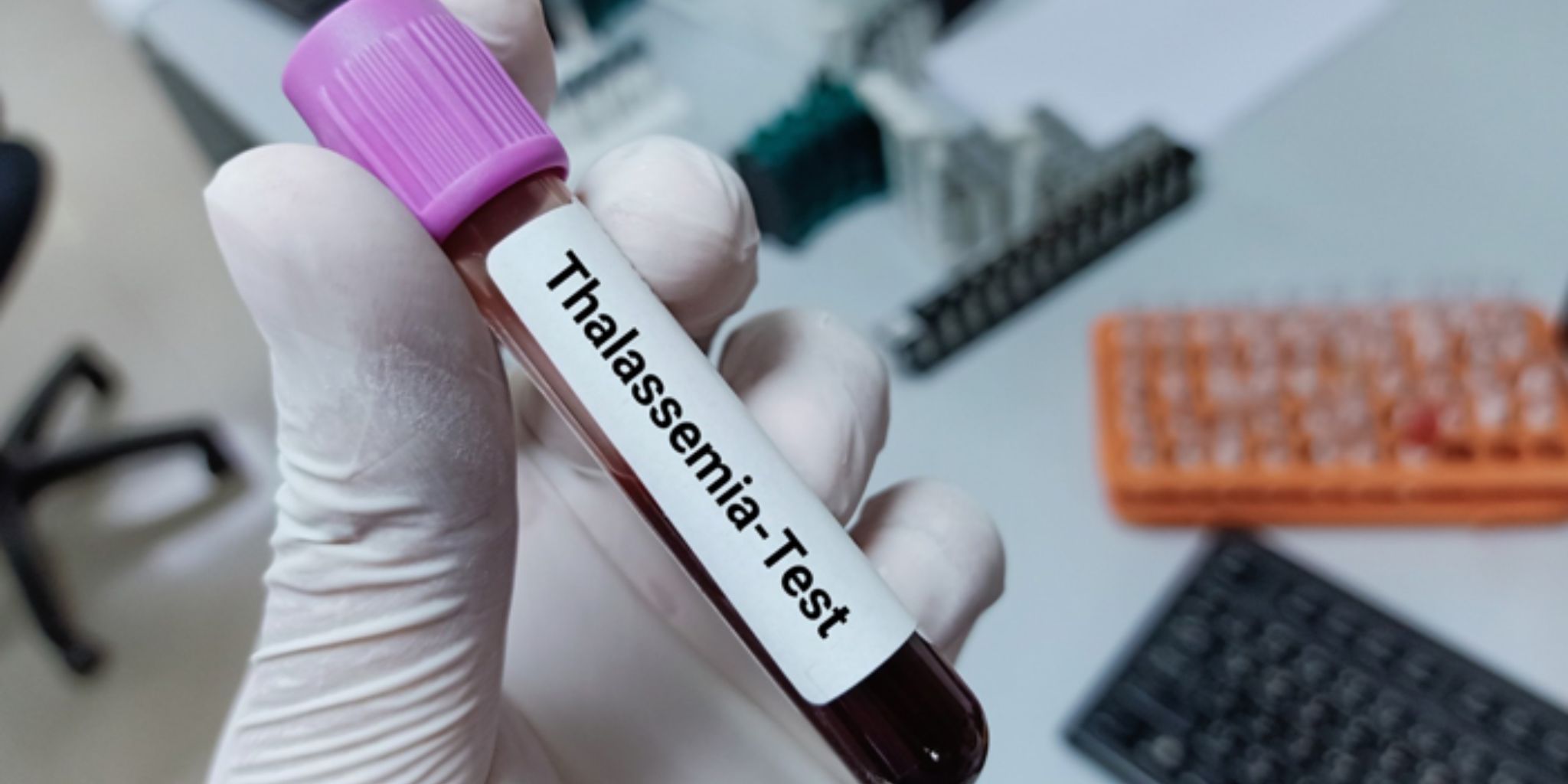
The Standing Committee on Health of Pakistan’s National Assembly has approved a bill requiring couples to undergo Thalassemia screening with the consent of both the bride and groom before marriage. This step has been widely regarded as an important public health initiative. But why is this law so significant, and how can it help future generations? Let’s explore.
Thalassemia is an inherited blood disorder in which the body is unable to produce healthy red blood cells. These cells are either defective or break down soon after they are formed, leading to severe anemia. The breakdown of red blood cells also causes harmful substances to accumulate in the body, which can damage vital organs over time. Because Thalassemia is a genetic condition, the body continues to produce defective blood cells throughout life. In many cases, symptoms become severe during the first year of life, and affected children require regular blood transfusions to survive. The disease not only impacts the patient's health but also places emotional, physical, and financial burdens on families.

Pakistan is among the countries with a high prevalence of Thalassemia. Every year, around 5,000 new cases are diagnosed in the country. It is estimated that between 5% and 8% of the population carries the Thalassemia gene. According to estimates, thousands of deaths have been linked to the disease over the years.
The major concern is that many carriers of the Thalassemia gene are completely healthy and may not even know they carry it. When two carriers marry, there is a significant risk that their child may inherit the defective gene from both parents and develop Thalassemia Major, the most severe form of the disease. Such children often require lifelong medical care, including regular blood transfusions and expensive treatments.

Pre-marital Thalassemia screening helps couples understand whether they are carriers of the disease before starting a family. If both partners are carriers, they can seek medical advice and genetic counseling to understand the risks and available options better. Making Thalassemia screening a part of the marriage process is not about discouraging marriages. Rather, it is about promoting awareness and helping families make informed choices. A simple blood test can prevent a lifetime of suffering for a child and reduce the emotional and financial burden on families.
Given the high number of carriers in Pakistan, Thalassemia screening should be considered an essential part of pre-marital health checks. It is particularly important for families with a history of Thalassemia, as the risk of passing the disease to future generations is higher. The approval of pre-marital Thalassemia screening legislation marks a positive step toward improving public health in Pakistan. By encouraging couples to get tested before marriage, society can reduce the number of children born with severe Thalassemia and create healthier futures for generations to come. Awareness, education, and timely testing remain the most effective tools in the fight against this preventable genetic disorder.