
Marriage is one of the most important milestones in a person's life. Sooner or later, almost everyone plans to get married, as family life forms the foundation of society. In Pakistan, a wedding is often considered the biggest event in a person's life, especially for middle-class families who may spend years saving money for the occasion. Unfortunately, a significant portion of these savings is often spent on a few days of celebrations. Compared to many other countries, South Asian weddings tend to involve much higher expenses. What are the major areas where this money is spent, and how can these costs be reduced? Let's take a closer look.
Decoration and Food

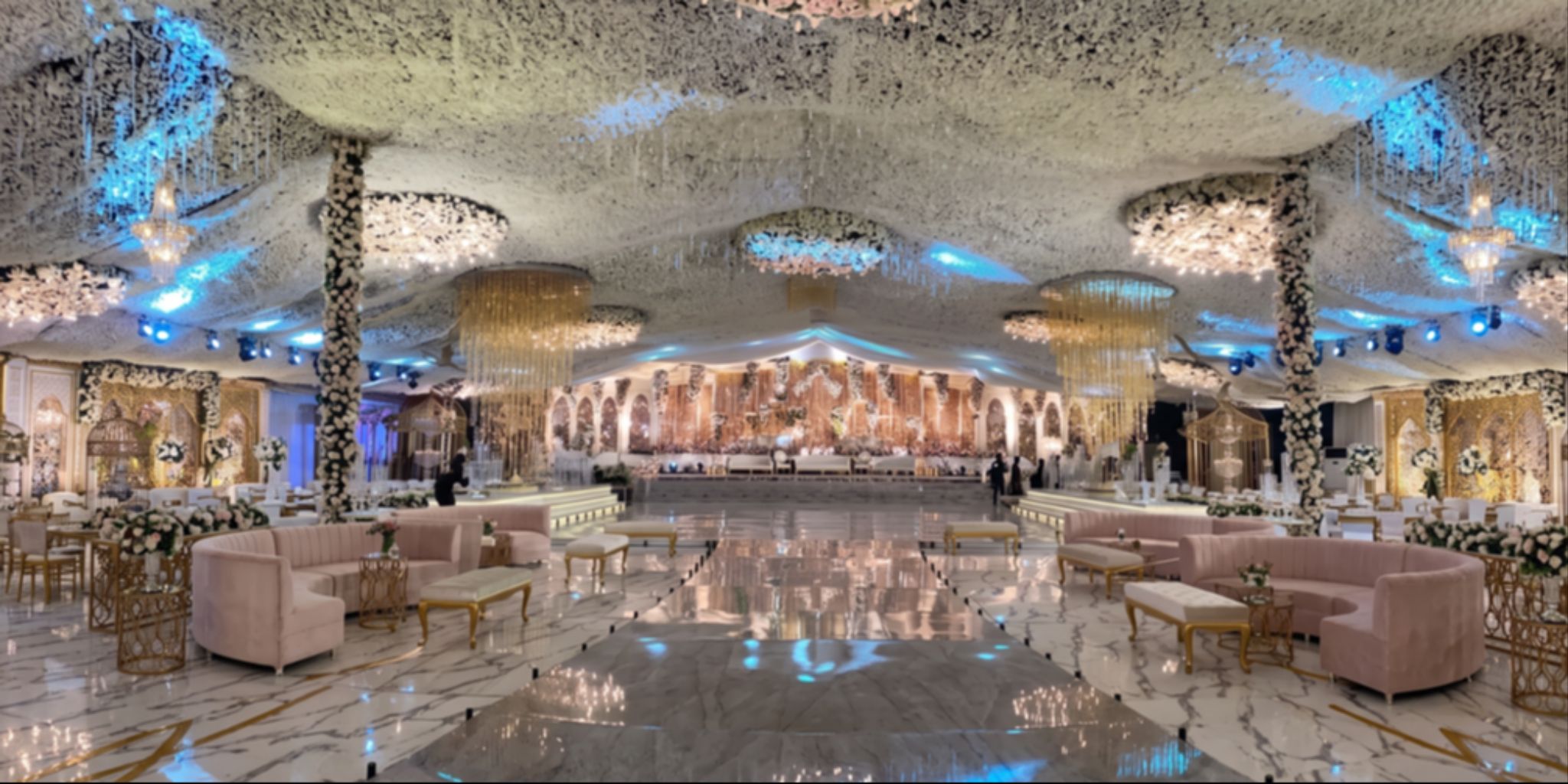
There was a time when weddings were commonly held at home or in a nearby community space. However, with changing trends and the desire to create grand celebrations, wedding halls, marquees, and luxury farmhouses have become increasingly popular. Many families organize multiple events such as the nikah, qawwali night, mayun, mehndi, baraat, walima, and even post-wedding gatherings, each with its own theme and elaborate decorations.
Similarly, large amounts of money are spent on food, often reaching levels that are difficult for the average Pakistani family to afford. By making practical choices, such as hosting smaller gatherings, limiting guest lists to close family and friends, and choosing simpler venues, families can significantly reduce wedding expenses while still creating memorable celebrations.
Jewelry and Wedding Attire

The prices of gold and jewelry in Pakistan have risen dramatically in recent years, making even a modest jewelry set a major expense. As a result, many people have started opting for artificial jewelry as a more affordable alternative.
Wedding dresses have also become increasingly expensive, particularly due to the popularity of designer brands. Many families feel pressured to purchase costly branded outfits, even though beautiful dresses can often be created at a fraction of the cost through local tailors or with the help of skilled family members and friends. Careful planning and smart shopping can help reduce expenses without compromising on style and elegance.
Dowry and Household Items

In many parts of Pakistani society, dowry remains a common practice. Families often provide large amounts of household goods, furniture, appliances, and in some cases even vehicles for their daughters. Some families go as far as fully furnishing a home before the wedding.
The concern is that much of this spending is driven by social expectations rather than actual needs. Large quantities of items are often purchased simply to impress others, even though many of these items may never be used. A more practical approach would be to provide only the essentials that the couple genuinely needs. Some people also suggest that financially secure families could invest money in savings accounts or other financial assets for their daughters, which may prove more beneficial in the future than excessive household goods.
Other Wedding Expenses

The list of wedding-related expenses is extensive, but services such as beauty salons, photographers, videographers, and entertainment also contribute significantly to the overall budget. In today's competitive social environment, wedding spending can easily spiral out of control if families fail to plan carefully.
Given the current economic conditions and rising inflation, many families end up borrowing money to cover wedding costs. Proper budgeting, early bookings, and seeking help from trusted acquaintances can help reduce expenses while maintaining the quality of the event.
Excessive spending is generally discouraged in societies around the world, and Islamic teachings also emphasize simplicity and moderation. Spending beyond one's means for temporary social recognition is rarely a wise decision. This is especially true in a country like Pakistan, where inflation has made everyday life increasingly difficult for many families.
It is important to promote awareness about simple and practical wedding ceremonies. People should understand that the pressure to impress others can lead to financial difficulties long after the celebrations have ended. Public education campaigns can help change attitudes toward wedding spending and encourage more responsible financial decisions.