

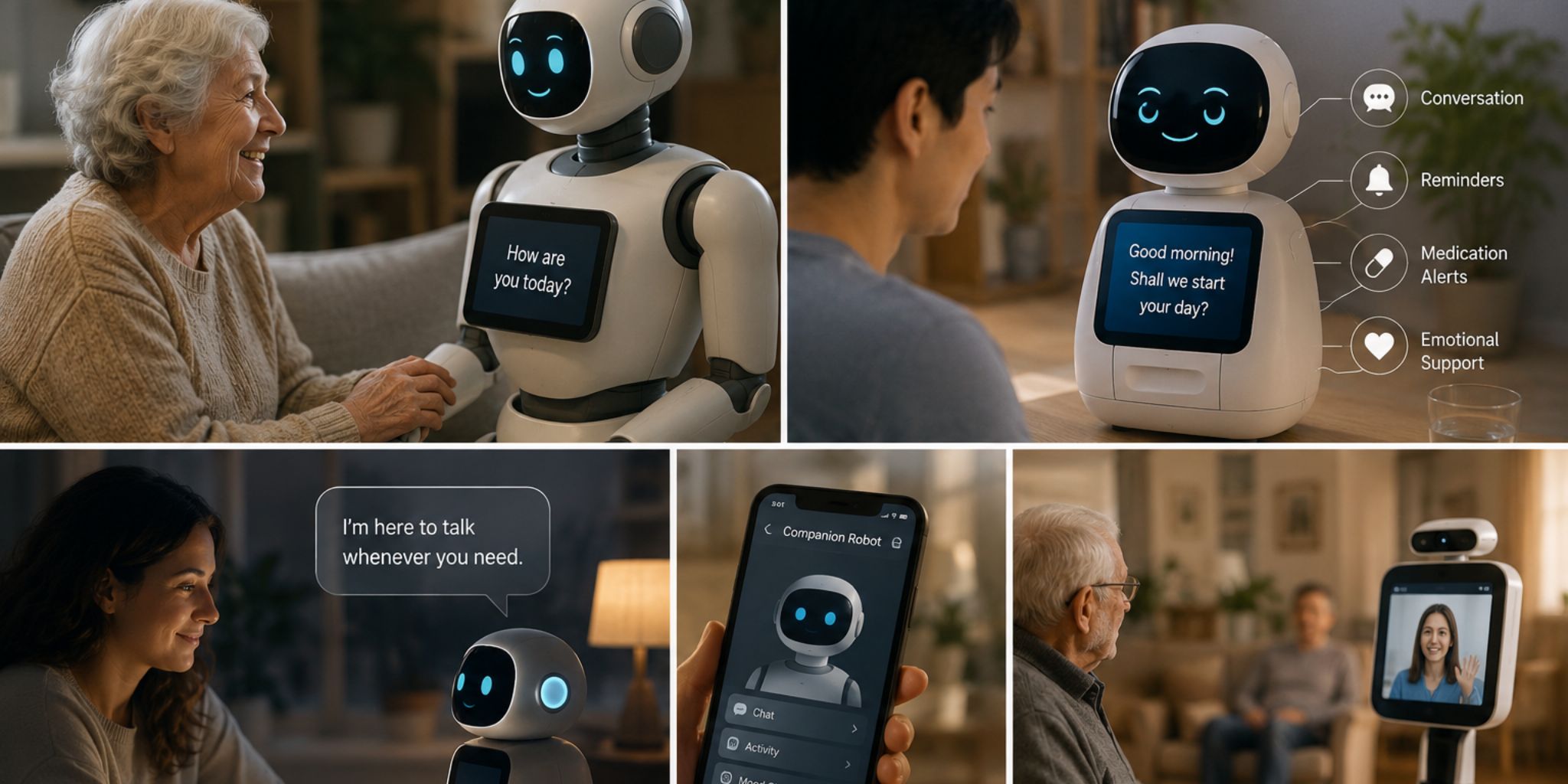
A recent report about a newly developed AI-powered robot designed to combat loneliness has sparked conversations around the world. The robot is capable of interacting with people, recognizing emotions, and engaging in conversations that mimic human companionship. While this technological advancement is impressive, it also highlights a more important question: Why are so many people feeling lonely in a world filled with communication tools and social networks?
Human beings are naturally social creatures. From childhood to old age, emotional support from family members, friends, and life partners plays a vital role in mental and emotional well-being. A caring spouse, supportive parents, loyal friends, or understanding siblings can provide comfort, encouragement, and a sense of belonging during difficult times. These are things that no machine, regardless of how advanced it becomes, can truly offer.
One of the biggest challenges of modern life is that people are becoming increasingly busy. Long working hours, career pressures, and constant engagement with digital devices leave little time for nurturing relationships. Families often sit together physically but remain emotionally disconnected as each person focuses on a screen. Couples may communicate frequently through messages but struggle to have meaningful conversations. As a result, many people experience loneliness even when they are surrounded by others.
The rise of AI companions reflects this growing emotional gap. While such technologies may provide temporary companionship, they cannot replace the warmth of a genuine human relationship. A robot can be programmed to respond to emotions, but it cannot truly understand the pain of heartbreak, the joy of achievement, or the comfort of shared memories. Real relationships are built through trust, patience, sacrifice, empathy, and mutual understanding, qualities that develop through human experiences and cannot be replicated by artificial intelligence.

Healthy relationships also contribute significantly to personal growth. They teach individuals how to communicate, compromise, forgive, and support one another. Whether it is a friendship, a family bond, or a marital relationship, these connections help people navigate life's challenges and celebrate its successes. Research consistently shows that people with strong social relationships tend to experience better mental health, lower stress levels, and greater life satisfaction.
In today's fast-paced world, the solution to loneliness is not only technological innovation but also a renewed commitment to human connection. Spending quality time with loved ones, listening attentively, expressing appreciation, and strengthening family and social bonds can have a far greater impact on emotional well-being than any artificial companion. The need of the hour is not simply more technology, but stronger and more meaningful relationships.
The development of AI robots designed to tackle loneliness is a remarkable achievement, but it should not distract us from the value of authentic human connections. While technology can assist and support people in certain situations, it can never replace the love, trust, and companionship found in real relationships. In a world where loneliness is becoming increasingly common, investing in family ties, friendships, and meaningful partnerships remains the most effective way to build a happier and emotionally healthier society.