Categories

A New VIP Matchmaking Success Story from Dil Ka Rishta Social

A New VIP Matchmaking Success Story from Dil Ka Rishta

The journey of Dil Ka Rishta VIP Matchmaking continues to grow with another meaningful success story, showing how dedication, patience, and the right approach can transform even difficult search criteria into a successful match.This case involved a 24-year-old VIP client whose family had very specific requirements. They were searching for a bride from the Kashmiri Butt background, with a tall stature, and belonging to a reputable business family in Lahore. Meeting all these conditions at once made the search quite challenging.Initially, the client’s grandfather carefully evaluated multiple profiles and maintained very high expectations. The family was particularly focused on background details and height, ideally between 5’7” and 5’8”. At first, they were open to Kashmiri Sheikh options, but later decided not to proceed with those proposals after review.Despite these hurdles, the matchmaking team stayed consistent and expanded the search through MB networks and their wider connections. After continuous effort, they finally identified a profile that closely matched the family’s expectations. The girl’s personality, height, family background, and caste alignment impressed the client’s family when it was presented to them.The first conversation between both families took place over the phone, followed by an in-person meeting arranged at the girl’s residence during Ramadan. This meeting went positively, with both sides feeling comfortable and satisfied.Later, the family requested another meeting where their son could meet the girl directly. Although the girl’s family was initially a bit unsure about this step, they agreed after proper discussion and reassurance. This interaction further strengthened understanding between both families, and both the couple and families became more confident about the match.On March 8, 2026, the girl’s family was invited to the client’s home, where the proposal was officially finalized. The upcoming wedding has brought happiness and relief to everyone involved.This story reflects that successful matches are built on patience, clarity of preferences, and respectful communication. Dil Ka Rishta VIP Matchmaking continues to create meaningful connections by focusing on compatibility, trust, and careful guidance throughout the journey.

Read More
Dowry Demands and Their Heartbreaking Impact on Families Social

Dowry Demands and Their Heartbreaking Impact on Families

In our society, daughters are often called a blessing, but the reality for many Pakistani families tells a different story. Instead of focusing on their daughter’s education or confidence, many parents spend their lives stressed about saving up for a dowry. It’s a heavy burden, especially for those struggling financially, and it gets even harder when women face mistreatment in their new homes but feel they can’t return because of social pressure.Domestic conflicts happen for many reasons, but let’s be honest: toxic behavior doesn’t always need an excuse. Unfortunately, people are quick to blame "not enough dowry" for these issues. This mindset has basically made it okay to mistreat women, when the real problem is just greed and stuck-in-the-past traditions.So many women in Pakistan stay silent about abuse just to keep their marriage alive. They fear the social stigma of divorce or simply have no financial way out. It’s sad because the dowry that was supposed to be a gift of love often ends up being the very thing used against them when things go wrong.If a marriage does end, women often have to leave their in-laws' house with nothing, while the dowry stays behind. For parents who sacrificed everything to buy those items, it’s both a huge emotional blow and a massive financial loss. It turns what should be a partnership into a business deal where the woman is the one losing out.There is some hope on the legal front, though. Sharmila Faruqui recently introduced the “Dowry Prohibition Bill 2025” in the National Assembly. This bill wants to completely ban giving or taking dowries, with some serious consequences for anyone who breaks the law, like up to five years in jail and heavy fines. It even goes after marriage ads that mention property or money.A big part of this bill is making sure any wedding gifts legally belong to the bride. If anyone tries to keep them from her, they could go to prison. This is meant to replace the old 1976 law that didn't really work because it wasn't strictly enforced.But we have to remember that laws can’t fix everything on their own. We’ve had rules before, but the culture hasn't really shifted. Real change only happens when we realize that a woman’s worth isn’t tied to furniture or electronics. Her security comes from her education, her right to inherit, and being treated with genuine respect.At the end of the day, marriage should be about trust and getting along, not material things. Demanding a dowry doesn’t make a family look successful; it just puts unfair pressure on everyone and ruins relationships.Luckily, things are starting to change. New platforms like Dil Ka Rishta are helping people find partners based on shared values and actual compatibility rather than what they can bring financially. If we want better, healthier relationships for the future, we need to keep pushing for this kind of positive shift.

Read More
Chilam Joshi Festival: A Celebration of Culture, Colors, and Connections Social

Chilam Joshi Festival: A Celebration of Culture, Colors, and Connections

Pakistan is a land rich in cultural diversity, where vibrant traditions and festivals are celebrated throughout the year. Among the most fascinating is the Chilam Joshi Festival of Kalash Valley, one of the most colorful and unique cultural events in the country.This festival is a true reflection of joy, color, and cultural pride. Thousands of local and international tourists visit the Kalash Valley each year to witness this extraordinary celebration. Over time, Chilam Joshi has become a defining symbol of the Kalash identity, attracting people from around the world.One of the most unique aspects of Chilam Joshi is its role in matchmaking. Unmarried boys and girls often find potential life partners during the festival. As relationships are formed and marriages take place, the festival gradually comes to a joyful close. It’s a beautiful reminder of how culture and tradition bring people together not just for celebration, but for lifelong bonds.In many ways, Chilam Joshi is not just a festival; it’s a celebration of connection, belonging, and new beginnings. While traditions like these continue to bring people together in person, today’s world also offers modern ways to build meaningful relationships.Just as the Kalash community values finding the right life partner during their festival, platforms like the Dil Ka Rishta app are helping people create genuine connections beyond geographical boundaries. Blending tradition with technology, it allows individuals and families to find compatible matches with ease, trust, and understanding, carrying forward the same spirit of meaningful relationships in a modern way. Whether in the scenic valleys of Kalash or through a digital platform, the essence remains the same: finding the right connection that turns into a lifelong journey.

Read More
Love Beyond Borders: When Connections Matter More Than Distance Social

Love Beyond Borders: When Connections Matter More Than Distance

In today’s world, relationships are no longer defined by distance, location, or social boundaries. The idea of finding a life partner has evolved beyond traditional limitations. What truly matters now is the depth of connection between two people.  What matters most now is not where two people live, but how deeply they understand and connect with each other.A powerful example of this changing reality comes from Lower Dir, where a unique cross-border marriage story recently captured attention. A man from this region found his life partner beyond national boundaries, showing that genuine connections can form regardless of distance, language, or cultural differences. What makes such stories meaningful is not just their uniqueness, but the message they carry that when two people truly connect, barriers begin to lose their importance.For generations, relationships were shaped within limited circles of family networks, communities, and nearby cities. These boundaries often defined who we could meet and eventually marry. But today, those lines are slowly fading. What matters more now is not where someone lives, but how well two people understand, respect, and connect.Love can always cross borders, whether cultural, geographical, or social. The difference today is that people are more open to the idea of choosing companionship based on compatibility rather than convenience. A shared mindset, mutual respect, and emotional understanding are becoming stronger foundations for relationships than simply belonging to the same area or background.People are increasingly forming connections beyond their immediate surroundings. Families who once preferred matches within their own city are now open to proposals from different regions or even countries. This shift reflects a deeper acceptance that meaningful relationships are not limited by distance.At its core, this change is about human emotion. Love does not ask for location; it asks for sincerity. It grows through communication, trust, and shared values, things that borders cannot restrict. When two individuals truly connect, the miles between them begin to feel less significant.This evolving mindset is especially important for younger generations. They are redefining relationships by prioritizing emotional compatibility over traditional limitations. They believe that the right person is not necessarily the closest one geographically, but the one who understands them the most.While the world around us continues to change, one truth remains constant: love finds its way. No matter the distance, no matter the boundaries, when a connection is real, it naturally moves beyond them.

Read More
The Weight of Questions: How Society Shapes Our Personal Lives Social

The Weight of Questions: How Society Shapes Our Personal Lives

Every individual has the right to live life on their own terms. Yet, in our society, certain social behaviors unintentionally or sometimes knowingly make life more difficult for others. The words we casually throw into conversations can deeply affect someone already struggling, adding to their emotional burden rather than easing it.One of the most sensitive topics in our culture is marriage. Questions like “Why aren’t you married yet?”, “Why is your younger sibling married before you?” “What are you giving in dowry?” or “Why was the wedding so simple?” may seem harmless, but they often place unnecessary pressure on individuals. For women, especially, these questions can be deeply hurtful. Girls who are not married “on time” or whose younger siblings marry before them often face not only intrusive questions but also judgmental looks. Over time, this constant scrutiny can damage their self-esteem, leading to frustration, anxiety, and even serious emotional or physical stress.Even after marriage, the questioning does not stop; it simply shifts direction. Couples are quickly asked, “Any good news yet?” “When are you planning to have children?” “Is there a problem?”, or “Have you consulted a doctor?” Such questions invade personal boundaries and can be extremely painful, especially for couples dealing with private challenges.Sociologists often emphasize that marriage is not just about two individuals; it also involves the future of the next generation. That is why mutual understanding and consent between partners are essential before starting a family. Without this foundation, relationships may face conflict early on, sometimes even leading to separation. In such cases, while individuals may move on and rebuild their lives, the emotional impact on future generations cannot be ignored.Even when a couple is happily married with children, societal questioning rarely ends. People continue to ask, “Why don’t you feed your child this?” “Why didn’t you enroll them in that school?”, or “Don’t you plan to have more children?” Beyond marriage and parenting, similar intrusive questions arise in many areas of life. Instead of helping, these questions often worsen the struggles of those already facing difficulties.For instance, individuals who have gone through divorce often withdraw from social interactions altogether, simply to avoid reliving painful experiences through repeated questioning. What they need is understanding and support, not interrogation.As a society, it is important to reflect on our behavior. Instead of asking questions that may hurt or pressure others, we should offer empathy, respect, and genuine support. Sometimes, choosing silence over curiosity can be the kindest response.In today’s world, platforms like the Dil Ka Rishta app are designed to address many of these societal challenges. By giving individuals the freedom to choose their partners based on mutual understanding and compatibility, such platforms reduce the pressure created by traditional expectations. Users can connect, communicate, and make informed decisions at their own pace while still respecting family values and involvement.The app provides access to a wide range of verified, premium matches from different professions and backgrounds, both locally and globally. This empowers individuals to take control of their life choices, reducing the influence of societal pressure and unnecessary questioning.Ultimately, a healthier society begins with more mindful behavior. Respecting personal boundaries, avoiding intrusive questions, and supporting others in their journey can make a meaningful difference. And when it comes to life decisions like marriage, giving individuals the space to choose, just as platforms like Dil Ka Rishta encourage, can lead to more confident, happy, and fulfilling lives.

Read More
7 Mistakes in Married Life That Can Weaken Even Long-Term Relationships Social

7 Mistakes in Married Life That Can Weaken Even Long-Term Relationships

In today’s modern world, the length of a marriage is no longer a guarantee of its strength. Changing social trends, busy lifestyles, and evolving expectations have made it increasingly difficult to maintain stable and fulfilling relationships. Renowned relationship expert John Gottman, a leading authority on the science of human relationships, identifies key patterns that can predict a marriage's success or failure. According to his research, seven common mistakes can slowly damage even the longest relationships.One of the most common mistakes is failing to understand the depth of love and emotional needs. When partners remain unaware of each other’s feelings, dreams, and important life moments, the relationship becomes superficial. For instance, a husband forgetting his wife’s birthday may seem minor to him, but for her, it may signal a lack of emotional importance. Over time, such neglect creates distance.Another damaging habit is a lack of appreciation and respect. When one partner focuses only on flaws instead of acknowledging strengths, love begins to fade. Imagine a wife who constantly criticizes her husband without ever appreciating his efforts. This can make him feel undervalued, leading to resentment and emotional withdrawal.Ignoring your partner’s need for attention is equally harmful. In many relationships today, one partner may be physically present but emotionally absent, often distracted by mobile phones or work. When attempts to communicate are repeatedly ignored, the other person starts feeling unimportant, which weakens emotional intimacy.A serious issue arises when a partner’s opinions are dismissed. Relationships thrive on mutual respect and shared decision-making. If one partner consistently ignores the other’s views, such as in financial decisions, it creates a power imbalance, leaving the other feeling insignificant and unheard.Many couples also fall into the trap of avoiding conflict instead of resolving it. Small issues, when ignored, often grow into major disputes. For example, repeatedly delaying responsibilities like paying bills can lead to frustration and arguments, gradually damaging the relationship.Another critical mistake is ignoring perpetual or ongoing issues. Some differences, like opinions on children’s education or lifestyle choices, may never fully disappear. However, refusing to understand each other’s perspectives can turn these differences into constant sources of conflict, making the relationship toxic.Lastly, a lack of shared goals can make a marriage feel directionless. When couples stop working toward common objectives and begin living separate lives under the same roof, emotional connection fades. Spending less quality time together leads to a weakened bond and a sense of isolation.According to John Gottman, understanding and addressing these patterns can significantly strengthen a marriage. If we reflect on these principles within the context of Pakistani society, they also help explain the rising challenges in maintaining long-term relationships.In a time where finding the right partner is just as important as maintaining the relationship, platforms like Dil Ka Rishta play a meaningful role. By helping individuals and families connect based on compatibility, values, and long-term goals, such platforms encourage more thoughtful and informed matchmaking.Ultimately, a successful marriage is not just about finding someone; it’s about continuously nurturing the relationship with understanding, respect, and shared purpose. Take a moment to reflect on your own relationship and ask yourself: are any of these mistakes silently affecting your bond? Recognizing them early could be the key to building a stronger, more fulfilling partnership.

Read More
The Rising Trend of Delayed or Avoided Marriage: Causes and Solutions Social

The Rising Trend of Delayed or Avoided Marriage: Causes and Solutions

In today’s modern world, one of the most pressing social challenges is the weakening of the institution of marriage. As a result, declining birth rates have become a global concern. Many countries are now introducing policies and initiatives to encourage young people to understand the importance of marriage and family life. Let’s explore the key factors driving the decline in worldwide marriage rates.Focus on Education and CareerIn the modern era, young individuals are highly focused on their education and career goals. Marriage is often seen as a major responsibility that demands time and commitment. Many young men and women feel that getting married may hinder their professional growth, as time and energy would be diverted to family responsibilities. There is a need to introduce supportive initiatives that help young people view marriage not as a burden, but as a source of emotional stability and happiness.Changing Social NormsWith the passage of time, societal values have evolved significantly. The distinction between Eastern and Western societies is gradually diminishing. Today, individuals prioritize personal growth, independence, and self-fulfillment, whereas earlier societies emphasized collective well-being and family systems.A balanced approach where personal aspirations and family values coexist is essential for building a healthy society.Desire for Personal FreedomMany young people today prefer to maintain their independence and avoid the perceived restrictions that come with marriage. They seek freedom in decision-making, lifestyle choices, and personal goals. This desire for autonomy has contributed to a reduced interest in long-term commitments like marriage. However, with the right mindset and mutual understanding, marriage can coexist with personal freedom and growth.Fear of DivorceThe increasing rate of divorce has also discouraged many individuals from getting married. The emotional, financial, and psychological consequences of divorce, especially its impact on children, create fear and uncertainty around marriage. Addressing the root causes of marital conflicts and promoting healthy relationship practices can help restore confidence in the institution of marriage.Economic ChallengesRising inflation and the increasing cost of living have made it difficult for individuals to support a family. Many young people feel financially unprepared for marriage and prefer to focus on improving their personal lifestyle and stability first. Economic reforms and support systems like those implemented in countries such as Japan can play a crucial role in making marriage more accessible and sustainable.In this evolving landscape, platforms like the Dil Ka Rishta app are playing an important role in reshaping how people approach marriage. By offering a trusted and modern matchmaking experience, the app helps individuals find compatible partners based on shared values, goals, and preferences.Instead of viewing marriage as a burden, Dil Ka Rishta encourages meaningful connections that align with today’s fast-paced lifestyles. It simplifies the search for a life partner while respecting personal choices and individuality, making the journey toward marriage more convenient, secure, and fulfilling.

Read More
When Marriage Turns into a Transaction: A Reflection on a Disturbing Dowry Case Social

When Marriage Turns into a Transaction: A Reflection on a Disturbing Dowry Case

A recent report highlights a shocking incident where a bride was allegedly asked to bring either 30 lakh rupees or even a kidney as dowry. This unusual and disturbing demand is not just a bizarre news story; it reflects a deeper social problem embedded in Indo-Pak society.This case is an extreme example of how the dowry system continues to evolve into more dangerous and inhumane forms. While traditionally, dowry involved household items or cash, such demands show how material greed can cross ethical and moral boundaries. It also exposes how marriage, which is meant to be a sacred and emotional bond, can sometimes turn into a transactional arrangement driven by selfish interests.One of the key reasons such situations arise is the lack of understanding between the two individuals entering the marriage. In many cases, couples do not truly know each other before. Families prioritize social status, financial stability, or external appearances over compatibility, values, and mutual respect. As a result, once the marriage begins, hidden expectations and differences start to surface, often leading to conflicts, emotional distress, and in extreme cases, exploitation like the one reported.When two people are strangers at the start of their married life, communication gaps become wider. The absence of emotional connection makes it easier for one side to impose unfair demands, while the other struggles to cope with pressure and societal expectations. Over time, these unresolved issues can escalate into serious disputes, domestic violence, or psychological trauma.This is why modern solutions that focus on compatibility and informed decision-making are becoming increasingly important. Platforms like the Dil Ka Rishta app aim to bridge this gap by helping individuals connect, communicate, and understand each other before committing to marriage. Unlike traditional setups where decisions are often rushed or imposed, such platforms encourage transparency, shared values, and mutual consent.In today’s world, choosing a life partner should not be left to chance or societal pressure. Instead, it should be a thoughtful process where both individuals have the opportunity to build understanding and trust. Incidents like this serve as a reminder that when marriages are built without knowing each other, they can lead to serious complications.By promoting meaningful connections and informed choices, platforms like Dil Ka Rishta can play a vital role in reducing such tragic outcomes and helping people build healthier, more respectful relationships.

Read More
The Rising Cause Behind Failed Marriages in Pakistan Social

The Rising Cause Behind Failed Marriages in Pakistan

Marriage is one of the most important decisions in a person’s life, as it shapes not only an individual’s future but also their emotional well-being and family structure. In Pakistan, however, the increasing rate of failed marriages and divorces has become a serious concern. A major reason behind this trend is the lack of careful consideration and compatibility when choosing a life partner. Often, people enter into marriage without fully understanding each other, which later leads to conflict, dissatisfaction, and in many cases, separation.When such a lifelong commitment is taken lightly, the consequences can be severe. Many individuals find themselves stuck in relationships where mutual understanding is missing, making even simple communication difficult. In other situations, when problems become unbearable, the relationship ends altogether. This raises an important question: why is such a critical decision often made without proper evaluation and planning?A recent survey among Pakistani men and women highlights a key issue: most people do not seek professional help when selecting a life partner. Instead, they rely heavily on informal sources. Around 58% of individuals reported that their parents and siblings played the main role in suggesting marriage proposals, while 25% depended on relatives and 16% on friends. Surprisingly, only 7% sought professional matchmaking services, with women being more likely than men to take this approach. This shows that despite the importance of marriage, structured and informed decision-making is still largely ignored.The survey also reveals that traditional methods continue to dominate the matchmaking process. About 30% of people still rely on newspaper advertisements, while only 25% are aware of or use mobile apps and websites for finding suitable matches. This gap indicates that even in today’s digital age, many individuals are not utilizing modern tools that can help them make better and more informed choices.In reality, marriage is not just about fulfilling societal expectations; it requires compatibility in personality, values, education, and long-term goals. Without these factors, even the most well-intentioned relationships can struggle. This is where modern digital solutions can play a transformative role. Platforms like the Dil Ka Rishta app are designed to make the process of finding a life partner more reliable, structured, and meaningful.The Dil Ka Rishta app provides a space where individuals can connect based on compatibility rather than random suggestions. It encourages users to take marriage seriously by focusing on shared values, preferences, and long-term intentions. Unlike traditional matchmaking, which often depends on limited information, the Dil Ka Rishta app allows individuals to make more informed decisions, reducing the chances of mismatch and future conflict.The rising failure of marriages in Pakistan highlights the urgent need to rethink how life partners are chosen. Marriage should never be treated as a casual or rushed decision. By prioritizing compatibility and seeking more structured and reliable methods, such as using the Dil Ka Rishta app, individuals can significantly improve their chances of building a successful and lasting relationship.

Read More
Marriage Breakdown in Society: Causes and Concerns Social

Marriage Breakdown in Society: Causes and Concerns

Family is the basic unit of society, forming the foundation for communities, cultures, and nations. It plays a vital role in shaping an individual’s personality, well-being, and overall development. At the center of every family lies the institution of marriage. In our society, religious teachings, especially in Islam, strongly emphasize maintaining marital relationships and resolving conflicts rather than opting for divorce. Despite this, the rate of divorce is steadily increasing worldwide, including in Pakistan, raising concerns about the stability of family structures.One of the major causes of the high divorce rate in our society is forced marriages. In many cases, individuals are not given the freedom to meet, communicate, or understand each other before marriage. Even when some level of interaction is allowed, it is often too limited to discuss important aspects of life such as expectations, goals, and compatibility. As a result, couples enter into marriage without mutual understanding, which later leads to conflicts and dissatisfaction, ultimately ending in divorce.Another significant factor is the joint family system. While it reflects strong cultural values and support systems, it can also create challenges for married couples. Constant interference from family members, lack of privacy, and external opinions often lead to misunderstandings between spouses. Instead of resolving issues, such involvement can make situations more complicated, pushing relationships toward separation.Domestic violence is also a critical reason behind the rising divorce rate. This includes verbal, emotional, and physical abuse. In many cases, women are expected to tolerate such behavior silently, which creates a toxic and unhealthy environment. Over time, the continuous pressure and mistreatment become unbearable, leaving divorce as the only option for safety and dignity.In addition, a lack of understanding and ego clashes between partners contribute significantly to marital breakdowns. In today’s world, many women are financially independent and professionally active. However, problems arise when one partner fails to respect or understand the other’s career and responsibilities. Feelings of jealousy, insecurity, and lack of emotional support can turn a relationship into a source of stress rather than comfort. Instead of acting as partners, couples may start competing with each other, which leads to frequent arguments and emotional distance.To reduce the increasing rate of divorce, couples need to build their relationship on mutual respect, trust, and open communication. They should support each other’s personal and professional growth and avoid unnecessary interference from others. Choosing the right partner with a proper understanding is also crucial in ensuring a successful marriage. This is where modern platforms like the Dil Ka Rishta app play an important role. The Dil Ka Rishta app allows individuals to connect with compatible partners, communicate openly, and make informed decisions before marriage, helping to prevent mismatched relationships.Divorce is not caused by a single factor but is usually the result of multiple social, emotional, and cultural issues. By promoting awareness, understanding, and better partner selection through platforms like Dil Ka Rishta, we can work towards building stronger marriages and a more stable society.

Read More
How “Dil Ka Rishta” is Empowering Women in the Digital Age? Social

How “Dil Ka Rishta” is Empowering Women in the Digital Age?

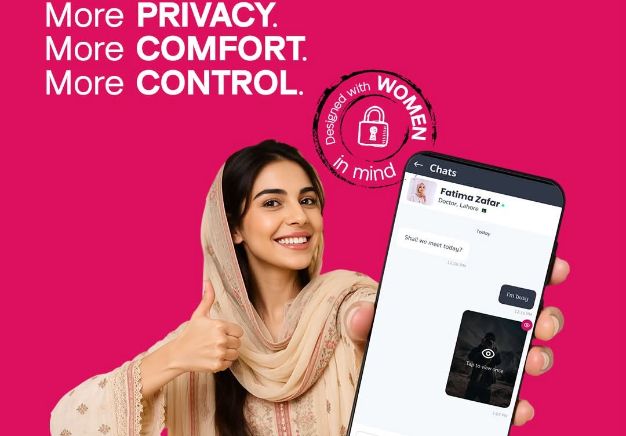
In today’s rapidly evolving digital world, almost every aspect of life has moved online, and the traditional process of finding a life partner is no exception. Marriage apps have transformed how people connect and build relationships. Dil Ka Rishta is one such platform that has been thoughtfully designed with women’s comfort, safety, and empowerment in mind. It is not just about finding a suitable match; it is about giving women the confidence to make their own choices in a secure environment.One of the most significant ways Dil Ka Rishta empowers women is through its strict verification system. Every user is required to go through a detailed identity verification process, including national ID confirmation, mobile number authentication, and profile checks. Along with this, a combination of automated technology and human moderation ensures that fake or suspicious profiles are eliminated. This creates a reliable space where women can interact without fear and trust that the people they connect with are genuine.Privacy is another area where Dil Ka Rishta gives full control to women. The app offers features that allow users to manage who can see their profile and personal information. Women can keep their photos private, restrict their profile visibility to selected individuals, and choose when and with whom to share personal details. Most importantly, they have complete authority over who can contact them, which gives them independence and a strong sense of control over their experience.Safety features within Dil Ka Rishta further enhance this sense of empowerment. If any user behaves inappropriately or makes someone uncomfortable, women can instantly use the report or block options. Additionally, the app’s restriction on screenshots adds an extra layer of protection, ensuring that personal information and images cannot be misused. These measures make the platform safer compared to many other online spaces.Overall, Dil Ka Rishta goes beyond being just a matchmaking app. It serves as a supportive platform where women can explore relationships with confidence, dignity, and independence. By combining advanced security, privacy-focused features, and a women-friendly approach, it is helping redefine how women search for a life partner in today’s digital age.

Read More
The Harsh Reality of Forced Marriages in Pakistan Social

The Harsh Reality of Forced Marriages in Pakistan

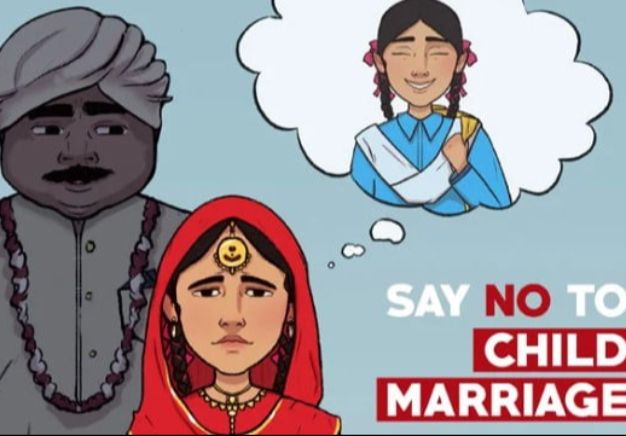
In Pakistani society, marriage is often considered a sacred duty and a social obligation. It is not just a personal decision between two individuals, but is closely tied to family honor and traditions. While arranged marriages where families play a role in the decision are common and culturally accepted, situations where one or both individuals are compelled to marry against their will fall under the category of forced marriage. This is a serious human rights violation, disproportionately affecting women and young girls.What Is Forced Marriage?A forced marriage occurs when an individual is coerced, threatened, or pressured into marrying someone against their consent. This coercion can take many forms: emotional blackmail, physical violence, or social pressure. Unfortunately, many cases in Pakistan show girls being forced to accept marriage proposals, sometimes at the cost of their education, career, or personal freedom.Root Causes of Forced Marriages in PakistanThe reasons behind forced marriages are deeply embedded in social and cultural practices. The most common cause is the traditional concept of family honor, where parents believe they have the ultimate authority over their children’s marital choices, often ignoring the child’s opinion. Other contributing factors include poverty, dowry issues, local customs like Wani and Sawara, and child marriages. The situation is often more difficult in rural areas, where girls may be given in marriage as a settlement for family disputes.The Emotional and Physical ImpactThe effects of forced marriages are not only physical but also emotional and psychological. Such marriages often lead to unhappy lives, domestic violence, depression, and, in extreme cases, suicide. The affected individuals lose control over their own lives, and their dreams, careers, and independence are compromised. For young girls, the consequences are even more dangerous, as they are often not physically or mentally prepared for marriage and motherhood.Legal and Social ChallengesAlthough Pakistan has laws against forced marriages, enforcement is weak. Many people are unaware of these laws, and in some regions, law enforcement is influenced by local customs and family pressure. Even when consent forms are used during marriage registration, they often become a mere formality.The solution to forced marriages is not just legislation; it requires a shift in social attitudes. Public awareness campaigns, access to education, empowerment of women, and positive media representation are all essential. Schools and colleges should openly discuss topics like consent, human rights, and reproductive education to nurture an informed younger generation.In today’s world, technology can play a role in helping people make informed and independent choices about marriage. Platforms like the Dil Ka Rishta App provide a safe, reliable, and transparent way for individuals to find compatible life partners without undue family or societal pressure. By prioritizing consent, compatibility, and individual choice, apps like Dil Ka Rishta are helping promote empowered, respectful, and voluntary marriages in Pakistan.

Read More