
Marriage is a sacred bond in which both spouses are expected to live together with love, respect, compassion, and mutual understanding. However, conflicts and incompatibility can arise in any relationship, including married life. Islam recognizes that in certain situations, continuing a marriage may become difficult or even harmful for one of the spouses. Therefore, just as a husband has the right to divorce, a wife has been granted the right to seek dissolution of the marriage through Khula.
Khula is a legal process through which a woman can separate from her husband if she faces circumstances that make it impossible or extremely difficult to continue the marriage. While Islam encourages spouses to resolve their differences and preserve the marital relationship whenever possible, Khula is permitted when there is a genuine fear that the limits prescribed by Allah cannot be maintained or when marital harmony has broken down.
The following are some of the situations in which a woman may seek Khula through the court:
Domestic Violence
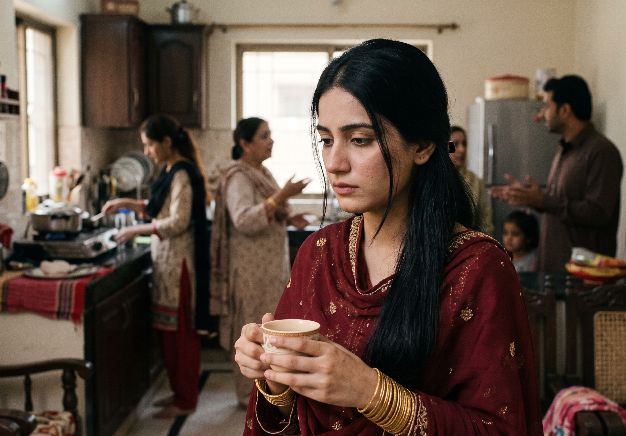
One of the most common grounds for Khula is domestic violence. If a husband subjects his wife to physical abuse, verbal insults, humiliation, beating, or other forms of mistreatment, the wife has the right to seek legal separation. This situation becomes even more severe when the husband is addicted to drugs or other intoxicants, neglects his responsibilities, and repeatedly abuses his wife. In such cases, the suffering may become unbearable, and the woman can approach the court for Khula.
Missing Husband
If a husband remains missing for an extended period and no information is available regarding his whereabouts, a woman may seek dissolution of the marriage. Traditionally, if the husband has been absent for four years without any communication or trace, the wife may apply for Khula. In the modern era, where communication and information technology make it easier to locate individuals, a woman may approach the court even before the completion of four years if the circumstances justify such action.
Long-Term Imprisonment
If a husband is sentenced by a court to a lengthy prison term, such as seven years or more, the wife may seek Khula. Prolonged imprisonment can make it impossible to fulfill the rights and responsibilities of marriage, providing valid grounds for legal separation.
Mental Incapacity
If the husband loses his mental stability and there is little or no hope of recovery, the wife may seek Khula. Marriage requires emotional, mental, and physical companionship, and severe mental incapacity may prevent the fulfillment of marital obligations.
Separation Due to Child Marriage
If a girl was married during childhood by her parents or guardians, she has the right to reject that marriage upon reaching adulthood. Even if she did not object immediately after attaining maturity, she may later approach the court and request the annulment of the marriage because it was arranged during her minority, and she no longer wishes to continue it. In such cases, the court may grant a decree for the dissolution of the marriage.
Husband’s Immoral Conduct
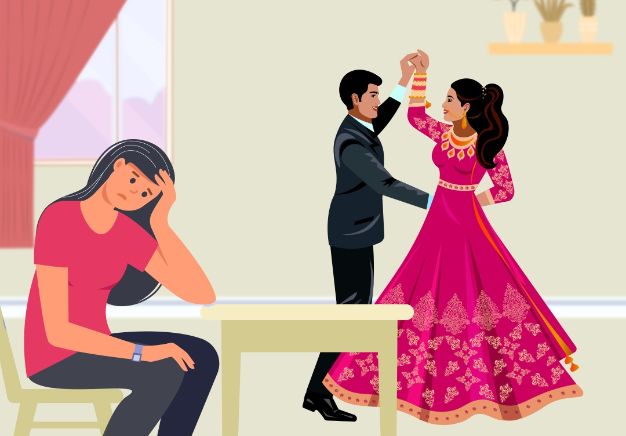
A woman may also seek Khula if her husband is involved in immoral behavior, maintains unlawful relationships with other women, pressures his wife into an unethical lifestyle, or prevents her from practicing her religion. Such conduct undermines the foundations of marriage and may justify the wife's request for legal separation.
Islam places great importance on preserving the institution of marriage, but it also recognizes that some relationships may become harmful or unworkable. Khula serves as a balanced and compassionate provision that protects women from injustice, abuse, and hardship. When genuine reasons exist, and reconciliation is no longer possible, Islam allows a woman to seek Khula so that she may live a life of dignity, safety, and peace.