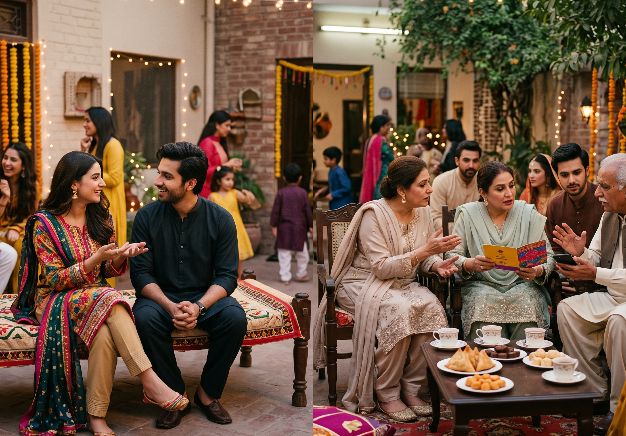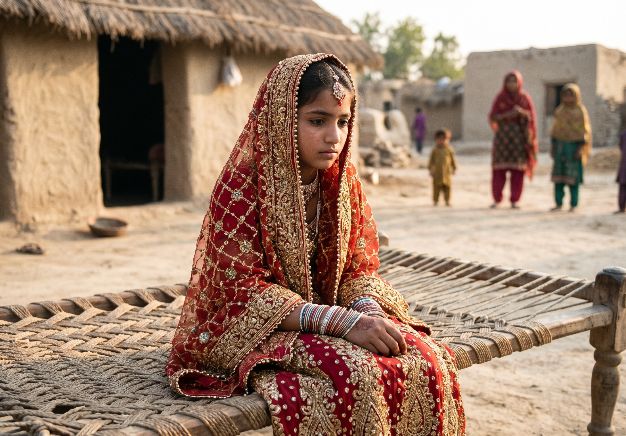


Marriage is meant to be a bond built on love, respect, and mutual understanding. However, in many societies, particularly in South Asia, the tradition of dowry has transformed this sacred relationship into a financial transaction. Instead of focusing on compatibility and shared values, families often prioritize material demands such as cash, cars, property, or expensive household items. This practice not only places immense pressure on the bride’s family but also damages the very foundation of a healthy relationship.
Dowry has long been defended as a cultural tradition, but in reality, it has become a source of emotional, financial, and social distress. Many families go into heavy debt just to fulfill the demands of the groom’s family. Parents spend years saving up for their daughters’ weddings, sometimes selling property or taking out loans to arrange the dowry. Instead of being a joyful occasion, marriage becomes a financial burden that affects the entire family. This pressure also creates a sense of inequality from the very beginning of the marriage.

In many cases, dowry demands continue even after the wedding. When expectations are not fulfilled, it can lead to constant conflict, emotional abuse, or even the breakdown of the relationship. For example, there are countless stories where a bride faces humiliation or pressure from her in-laws because the promised car or money was not delivered. Such situations create resentment and tension within the household, turning what should be a loving partnership into a stressful and toxic environment.
Another painful example is when a marriage proposal is rejected simply because the bride’s family cannot afford the demanded dowry. In such cases, a girl’s education, character, and personality are ignored, and her worth is judged by the wealth her family can provide. This not only devalues women but also delays marriages for many individuals who might otherwise be compatible partners.
The dowry system also affects men in subtle ways. Some men are pressured by their families to demand dowries, even if they personally disagree with the practice. This creates a situation where marriage decisions are influenced more by financial gain than by genuine compatibility or emotional connection. As a result, relationships that start with greed and expectations rarely lead to long-lasting happiness.

In today’s digital age, however, new platforms are helping to change this mindset. Applications like Dil Ka Rishta are promoting a healthier and more respectful approach to matchmaking. Instead of focusing on financial status or dowry expectations, the platform emphasizes compatibility, shared values, education, and life goals. This allows individuals to find partners based on mutual understanding rather than material demands.
The Dil Ka Rishta App also empowers women by giving them the freedom to explore suitable matches and make informed decisions about their future. By shifting the focus from dowry to genuine connection, such platforms encourage relationships built on equality and respect. When families prioritize understanding and compatibility over wealth, marriages become stronger and more meaningful.
Ultimately, a successful marriage is not built on gifts, money, or expensive items; it is built on trust, respect, and emotional support. The sooner society moves away from the dowry mindset, the sooner we can create healthier relationships and happier families. Platforms like Dil Ka Rishta represent a positive step in that direction, reminding us that the most valuable thing in a marriage is not what someone brings as dowry, but the love and commitment they bring to the relationship.