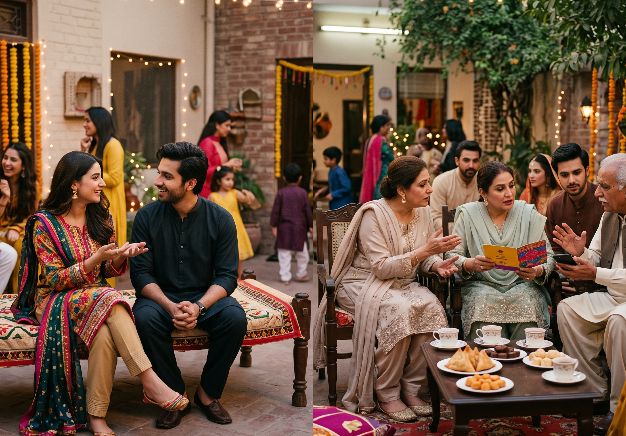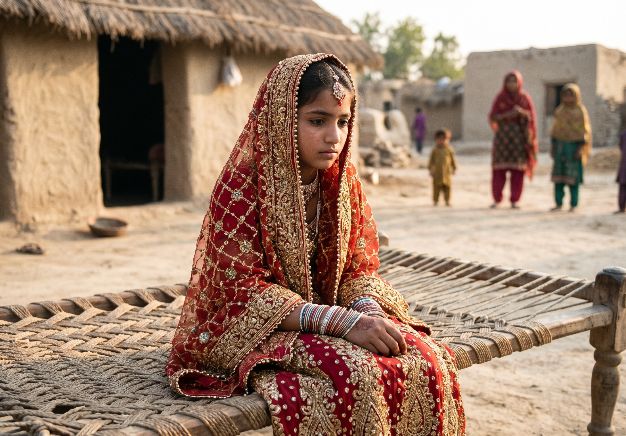


Every individual has the right to live life on their own terms. Yet, in our society, certain social behaviors unintentionally or sometimes knowingly make life more difficult for others. The words we casually throw into conversations can deeply affect someone already struggling, adding to their emotional burden rather than easing it.
One of the most sensitive topics in our culture is marriage. Questions like “Why aren’t you married yet?”, “Why is your younger sibling married before you?” “What are you giving in dowry?” or “Why was the wedding so simple?” may seem harmless, but they often place unnecessary pressure on individuals. For women, especially, these questions can be deeply hurtful. Girls who are not married “on time” or whose younger siblings marry before them often face not only intrusive questions but also judgmental looks. Over time, this constant scrutiny can damage their self-esteem, leading to frustration, anxiety, and even serious emotional or physical stress.

Even after marriage, the questioning does not stop; it simply shifts direction. Couples are quickly asked, “Any good news yet?” “When are you planning to have children?” “Is there a problem?”, or “Have you consulted a doctor?” Such questions invade personal boundaries and can be extremely painful, especially for couples dealing with private challenges.
Sociologists often emphasize that marriage is not just about two individuals; it also involves the future of the next generation. That is why mutual understanding and consent between partners are essential before starting a family. Without this foundation, relationships may face conflict early on, sometimes even leading to separation. In such cases, while individuals may move on and rebuild their lives, the emotional impact on future generations cannot be ignored.

Even when a couple is happily married with children, societal questioning rarely ends. People continue to ask, “Why don’t you feed your child this?” “Why didn’t you enroll them in that school?”, or “Don’t you plan to have more children?” Beyond marriage and parenting, similar intrusive questions arise in many areas of life. Instead of helping, these questions often worsen the struggles of those already facing difficulties.
For instance, individuals who have gone through divorce often withdraw from social interactions altogether, simply to avoid reliving painful experiences through repeated questioning. What they need is understanding and support, not interrogation.

As a society, it is important to reflect on our behavior. Instead of asking questions that may hurt or pressure others, we should offer empathy, respect, and genuine support. Sometimes, choosing silence over curiosity can be the kindest response.
In today’s world, platforms like the Dil Ka Rishta app are designed to address many of these societal challenges. By giving individuals the freedom to choose their partners based on mutual understanding and compatibility, such platforms reduce the pressure created by traditional expectations. Users can connect, communicate, and make informed decisions at their own pace while still respecting family values and involvement.
The app provides access to a wide range of verified, premium matches from different professions and backgrounds, both locally and globally. This empowers individuals to take control of their life choices, reducing the influence of societal pressure and unnecessary questioning.
Ultimately, a healthier society begins with more mindful behavior. Respecting personal boundaries, avoiding intrusive questions, and supporting others in their journey can make a meaningful difference. And when it comes to life decisions like marriage, giving individuals the space to choose, just as platforms like Dil Ka Rishta encourage, can lead to more confident, happy, and fulfilling lives.