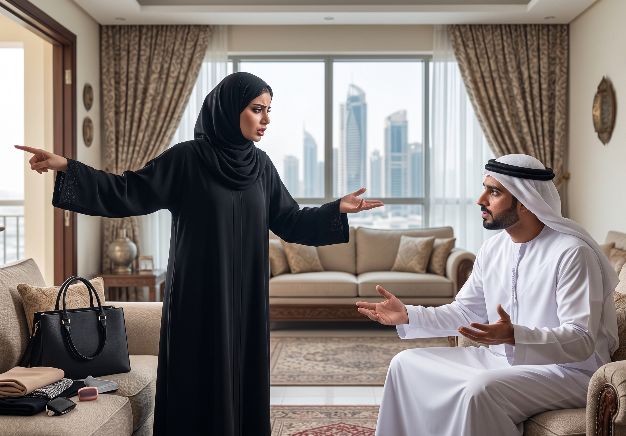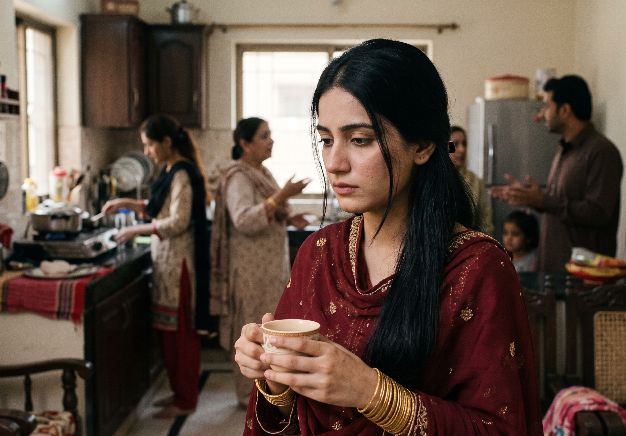

A recent report highlights a shocking incident where a bride was allegedly asked to bring either 30 lakh rupees or even a kidney as dowry. This unusual and disturbing demand is not just a bizarre news story; it reflects a deeper social problem embedded in Indo-Pak society.
This case is an extreme example of how the dowry system continues to evolve into more dangerous and inhumane forms. While traditionally, dowry involved household items or cash, such demands show how material greed can cross ethical and moral boundaries. It also exposes how marriage, which is meant to be a sacred and emotional bond, can sometimes turn into a transactional arrangement driven by selfish interests.
One of the key reasons such situations arise is the lack of understanding between the two individuals entering the marriage. In many cases, couples do not truly know each other before. Families prioritize social status, financial stability, or external appearances over compatibility, values, and mutual respect. As a result, once the marriage begins, hidden expectations and differences start to surface, often leading to conflicts, emotional distress, and in extreme cases, exploitation like the one reported.
When two people are strangers at the start of their married life, communication gaps become wider. The absence of emotional connection makes it easier for one side to impose unfair demands, while the other struggles to cope with pressure and societal expectations. Over time, these unresolved issues can escalate into serious disputes, domestic violence, or psychological trauma.
This is why modern solutions that focus on compatibility and informed decision-making are becoming increasingly important. Platforms like the Dil Ka Rishta app aim to bridge this gap by helping individuals connect, communicate, and understand each other before committing to marriage. Unlike traditional setups where decisions are often rushed or imposed, such platforms encourage transparency, shared values, and mutual consent.
In today’s world, choosing a life partner should not be left to chance or societal pressure. Instead, it should be a thoughtful process where both individuals have the opportunity to build understanding and trust. Incidents like this serve as a reminder that when marriages are built without knowing each other, they can lead to serious complications.
By promoting meaningful connections and informed choices, platforms like Dil Ka Rishta can play a vital role in reducing such tragic outcomes and helping people build healthier, more respectful relationships.