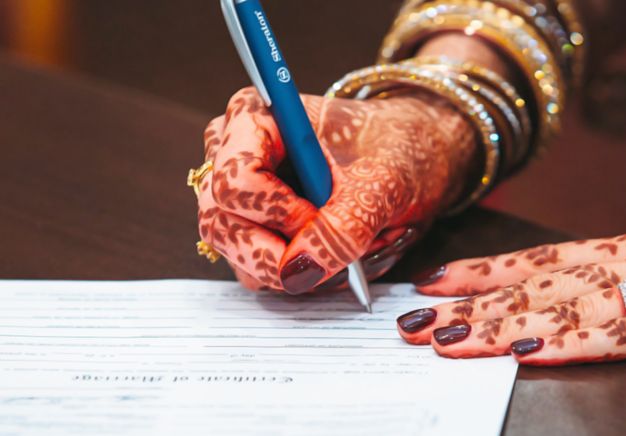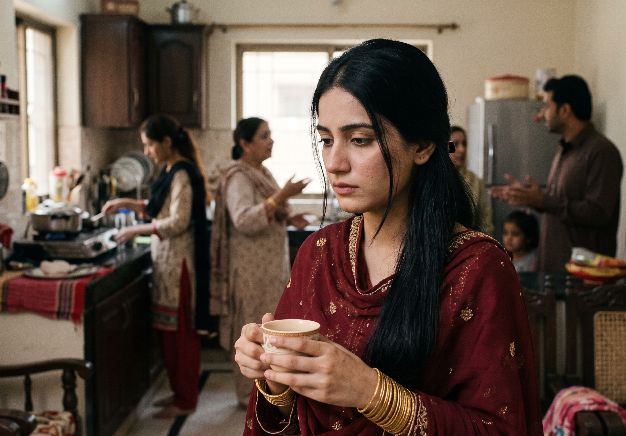

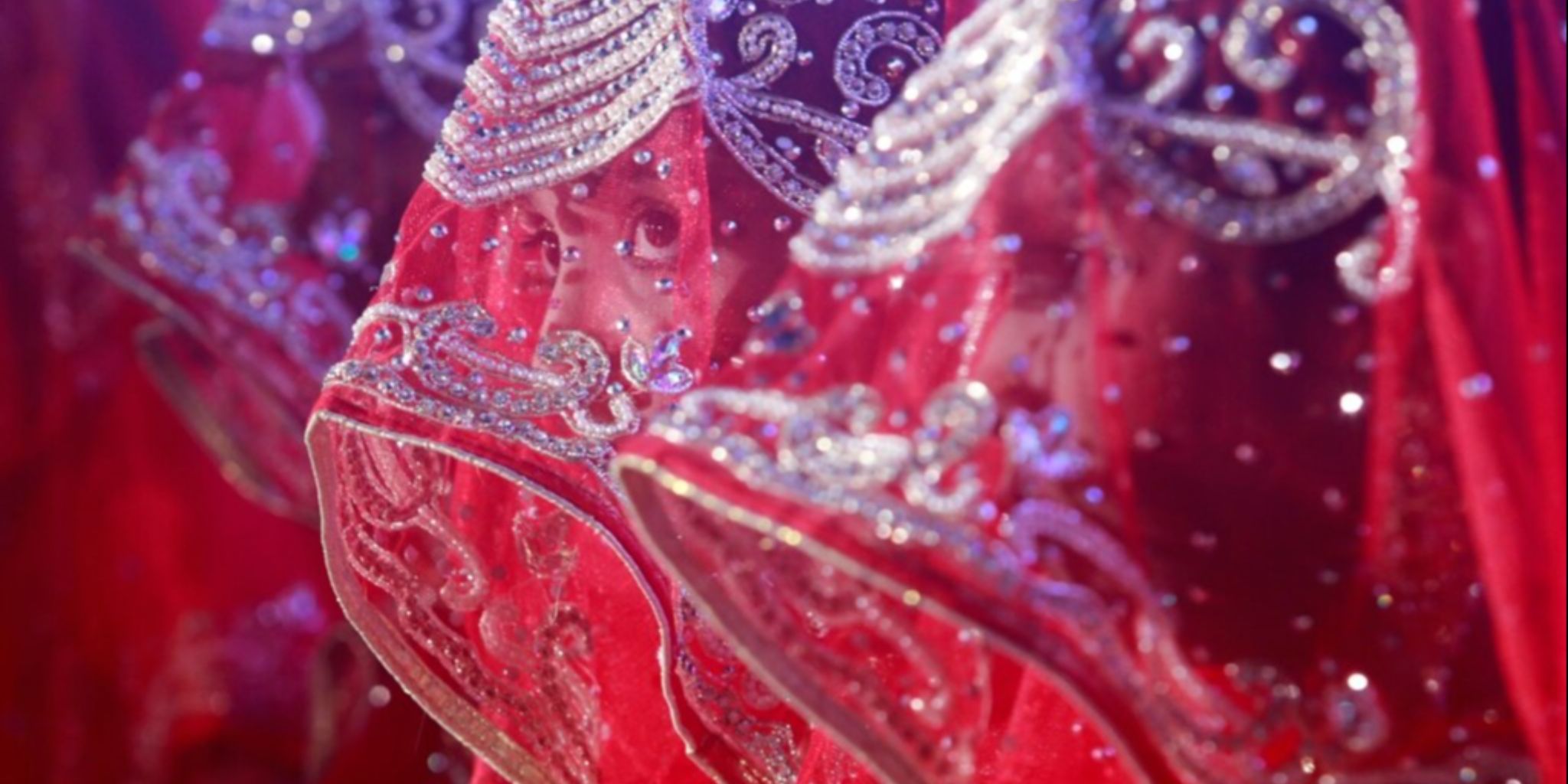
Pakistan had been making gradual progress in reducing the rate of child marriages. However, following the devastating floods of 2022, climate-driven economic insecurity has contributed to a rise in early marriages, where young girls are married off in exchange for money or to ease financial burdens on struggling families. These girls are increasingly being referred to as “Monsoon Brides.”
The monsoon season is vital for the livelihoods and food security of millions of farmers across Pakistan. However, scientists warn that climate change is making monsoon rains heavier and more prolonged, increasing the risks of flooding, landslides, and long-term damage to agricultural lands and crops. These environmental disasters have severe social consequences, particularly for vulnerable communities.
Child marriage remains common in several parts of Pakistan. Depending on the region, the legal minimum age for marriage ranges from 16 to 18 years, yet these laws are often poorly enforced. While UNICEF has reported significant progress in reducing child marriage, evidence suggests that extreme climate events place girls at greater risk of becoming child brides.
Economic desperation is a major factor behind this trend. Many parents believe that marrying off their daughters early will lessen the financial burden on the family. Tragically, many of these girls soon find themselves trapped in cycles of poverty. By the age at which their peers are still receiving an education, some have already become mothers of several children and are forced to return to their parents' homes because their husbands are unemployed or unable to support the family.
However, the issue extends far beyond financial hardship. A complex combination of social, cultural, and psychological factors also contributes to the persistence of child marriage. Perhaps the most alarming reality is the growing social acceptance of practices that should be condemned. In some communities, early marriage and even the commodification of young girls are increasingly viewed as normal or unavoidable.
Traditional norms, economic pressure, and social instability have created a humanitarian crisis whose consequences will be felt for generations. The rise of the “Monsoon Bride” is not merely a story of climate change; it is a stark reminder of how environmental disasters can deepen existing inequalities and place the most vulnerable members of society, particularly young girls, at even greater risk.