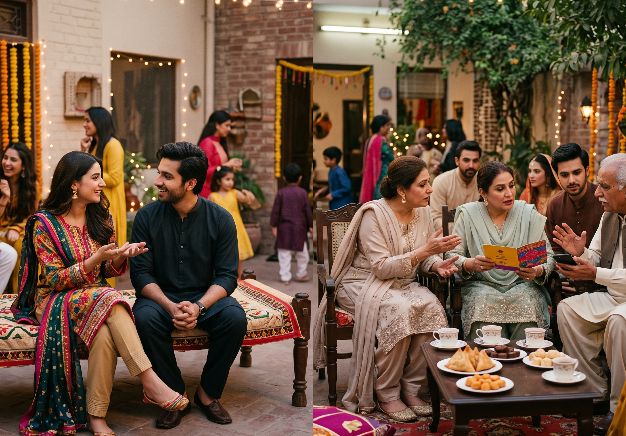

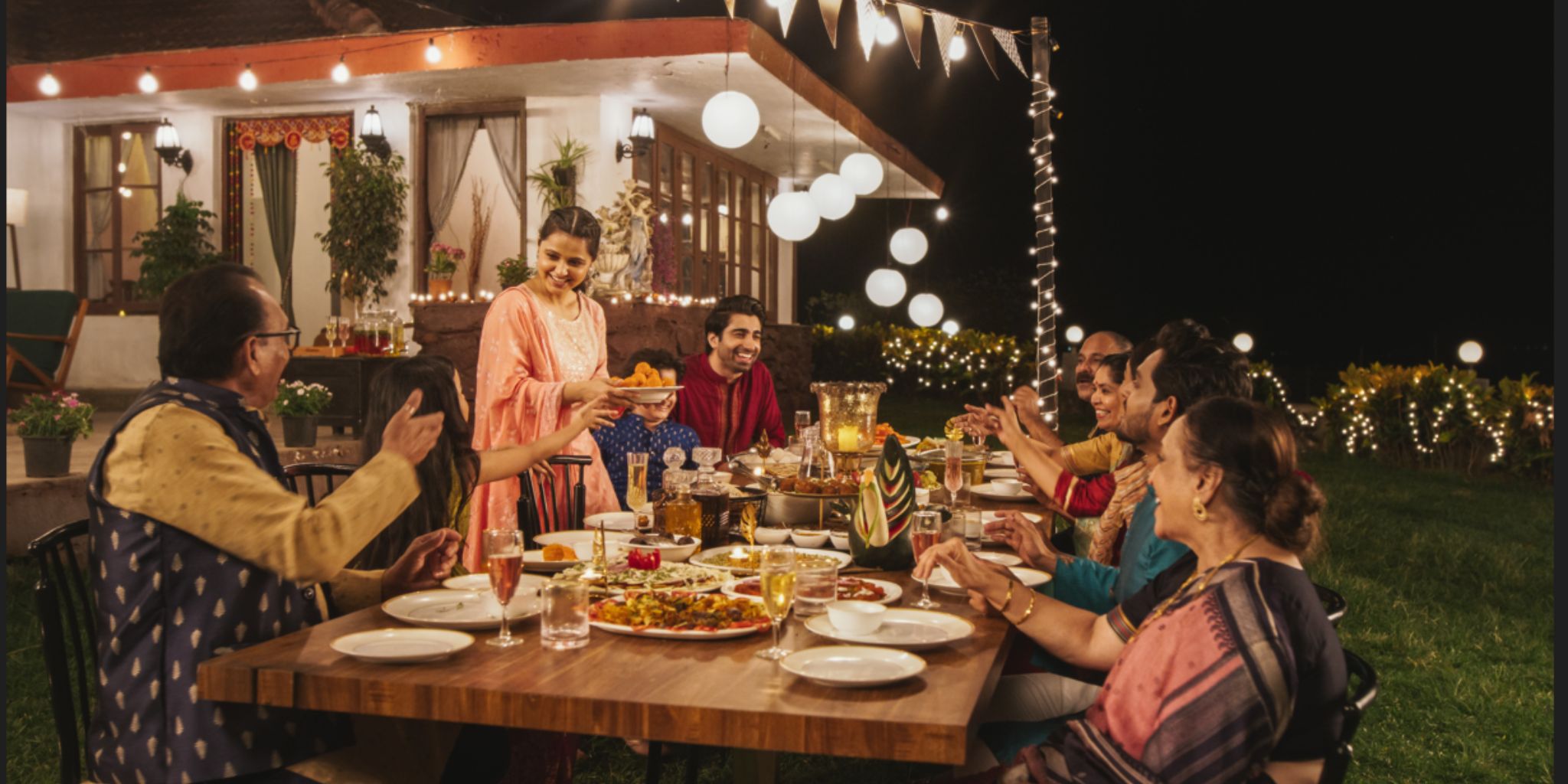
A recent survey in Pakistan revealed an important social insight: around 62% of Pakistanis support the joint family system, considering it a valuable and traditional way of living. Although the joint family system may not be a perfect model in every sense, it still fits well within Pakistan’s current social and economic realities. Unlike Western countries, where nuclear family systems are more common and supported by strong welfare states, Pakistan relies heavily on family-based support systems.
However, to make this system truly effective and sustainable, certain practical changes and attitudes are necessary.
Parental Fairness and Avoiding Bias

One of the biggest challenges in joint families is parental favoritism or unequal treatment among children. For a successful family structure, parents must ensure fairness in all matters.
Children should be taught responsibility from an early age. Older children should be gradually given responsibilities, while younger ones should be prepared for independent life. Financial contributions or earnings should be respected, and property or assets should ideally be registered in the name of the person who has earned or contributed to them. Equal treatment builds trust, reduces jealousy, and strengthens family unity.
Avoiding Emotional Pressure

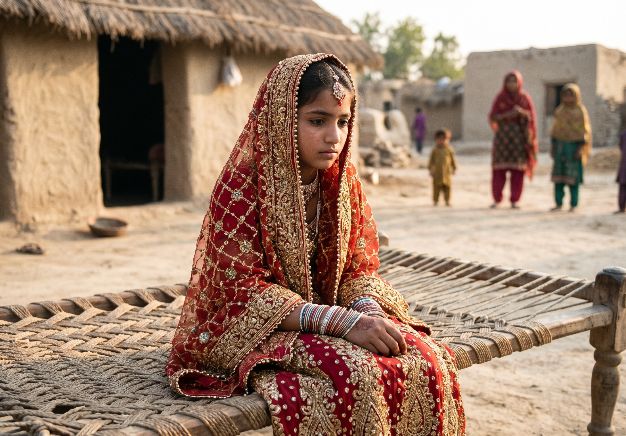
In some families, grown-up children who are financially stable are still forced to live together through emotional pressure or blackmail. This often creates resentment and unhappiness.
If adult children prefer independent living, they should not be forced to stay together. A peaceful separation is better than a forced unity that leads to daily conflict and emotional stress for everyone.
Smart House Planning

A practical solution for modern joint families is proper house design. Homes can be built in a way that allows separate portions or units within the same building.
This ensures that families can live together while still maintaining privacy. It reduces interference in each other’s personal lives and helps maintain harmony.
Balance of Rights and Responsibilities

A successful joint family system requires balance between the rights of parents, siblings, and spouses. No one’s rights should be ignored, especially those of parents.
Inheritance and property matters should be handled fairly and transparently. If possible, governments can also help by introducing laws that ensure automatic and fair distribution of inheritance according to Islamic principles, reducing family disputes.
The joint family system is deeply rooted in Pakistani culture and continues to provide emotional, financial, and social support. However, its success depends on fairness, respect, privacy, and emotional maturity among family members. If these principles are followed, the joint family system can remain not just a tradition, but a strong and balanced model for modern society.