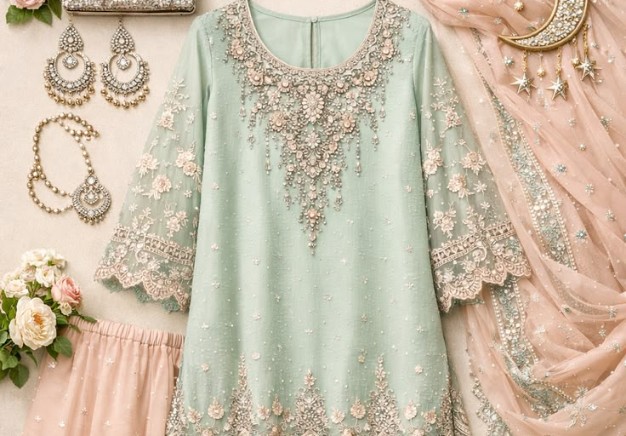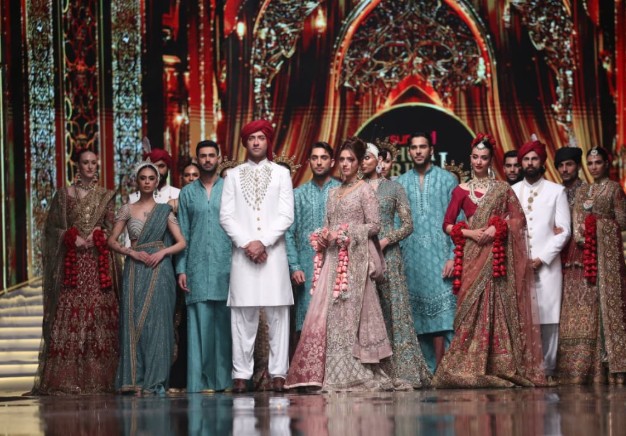

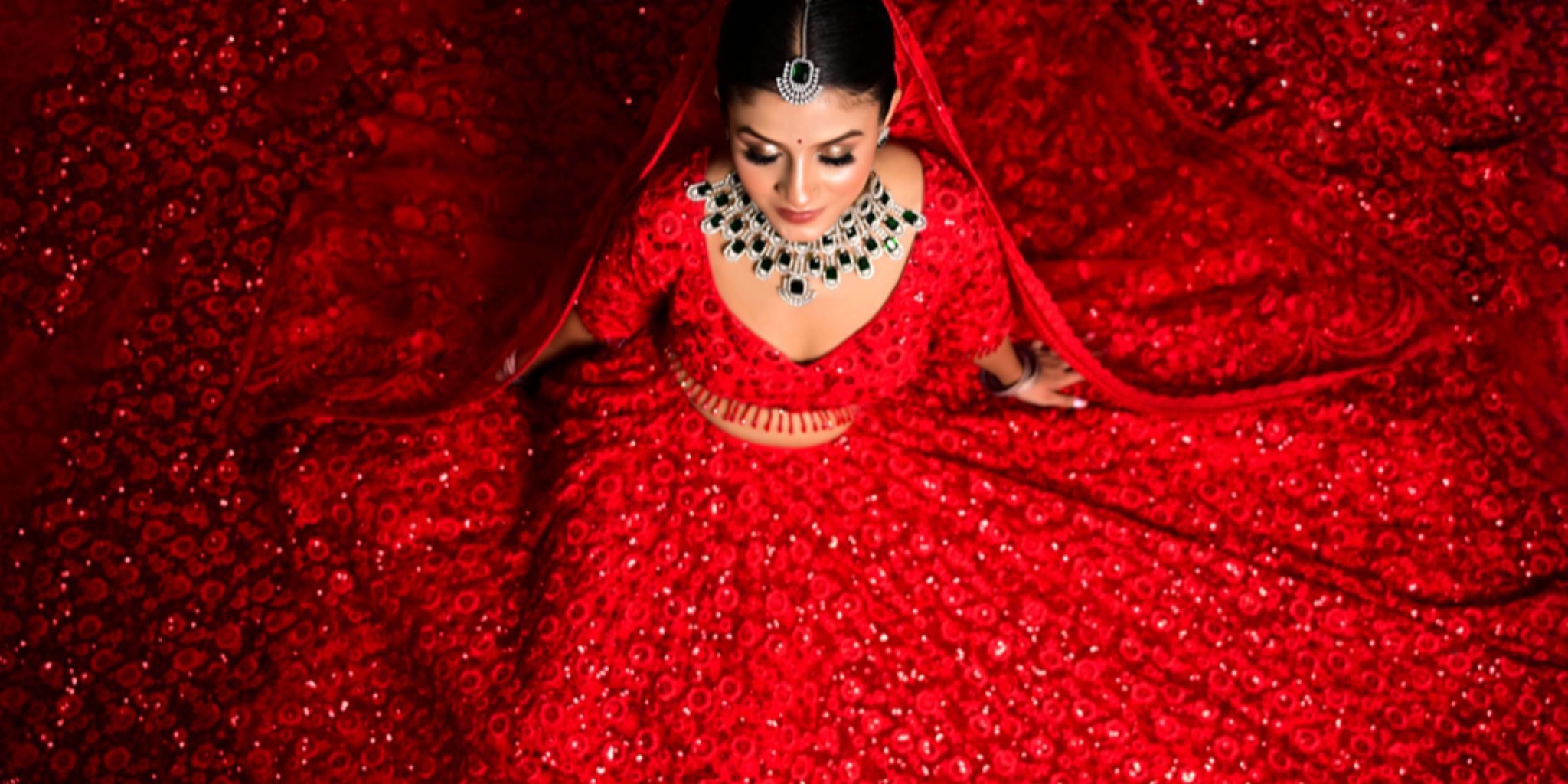
With the arrival of winter, the wedding season begins across Pakistan. The sounds of dhols, wedding bands, and celebrations can be heard everywhere, while new fashion trends continue to reshape wedding styles each year. Although modern brides now experiment with a variety of colors such as pink, purple, blue, and pastel shades, red remains the most popular and traditional choice for bridal wear, especially for the nikah and baraat ceremonies.

In fact, many people still believe that a bride does not look like a traditional bride unless she is wearing red. This preference is deeply rooted in the cultural traditions of the South Asian region and has been passed down through generations.
Red has long been associated with happiness, celebration, and prosperity. A bridal dress is often viewed as a symbol of a bride’s new journey in life, and in the cultural traditions of Pakistan, red is believed to represent a future filled with joy, love, and good fortune. For this reason, red bridal attire continues to hold a special place in wedding ceremonies.

The tradition is not unique to Pakistan. Brides in India also commonly wear red lehengas or sarees during their weddings. This shared custom dates back to the time before the partition of the subcontinent, when present-day Pakistan, India, and Bangladesh were part of the same region and shared many cultural practices. As a result, several wedding traditions, including the preference for red bridal wear, remain common across South Asia.
Another reason red remains a favorite bridal color is its symbolism. In Pakistani and Indian cultures, red is often linked to happiness, warmth, passion, prosperity, and celebration. It is also considered a color that brings good luck and positive energy to the bride as she begins a new chapter of her life.

While modern fashion has introduced countless color options for bridal dresses, the timeless appeal of red continues to endure. Whether through tradition, symbolism, or cultural identity, the red bridal outfit remains one of the most cherished and recognizable elements of South Asian weddings.