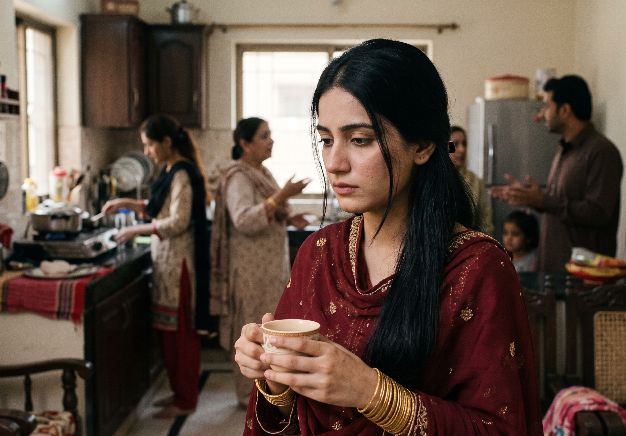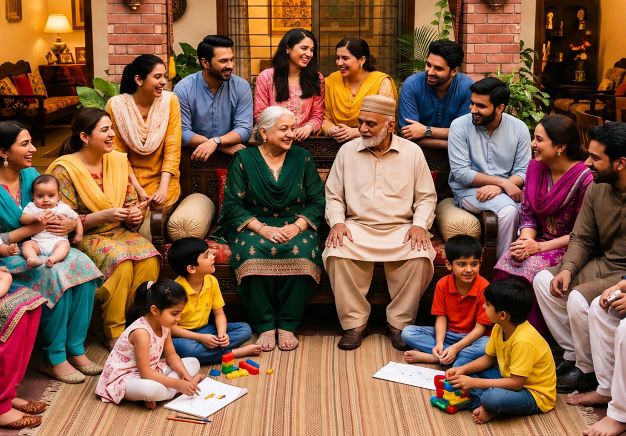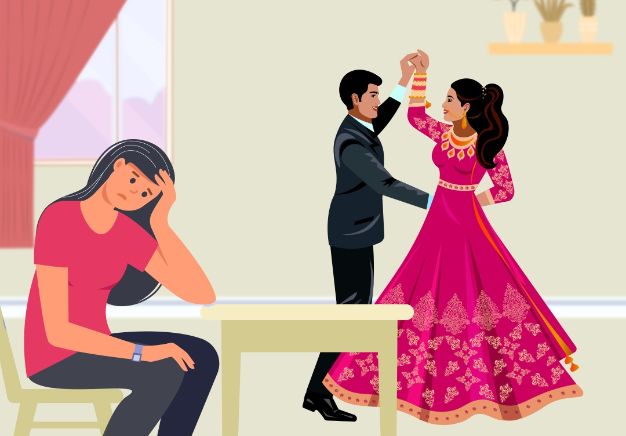

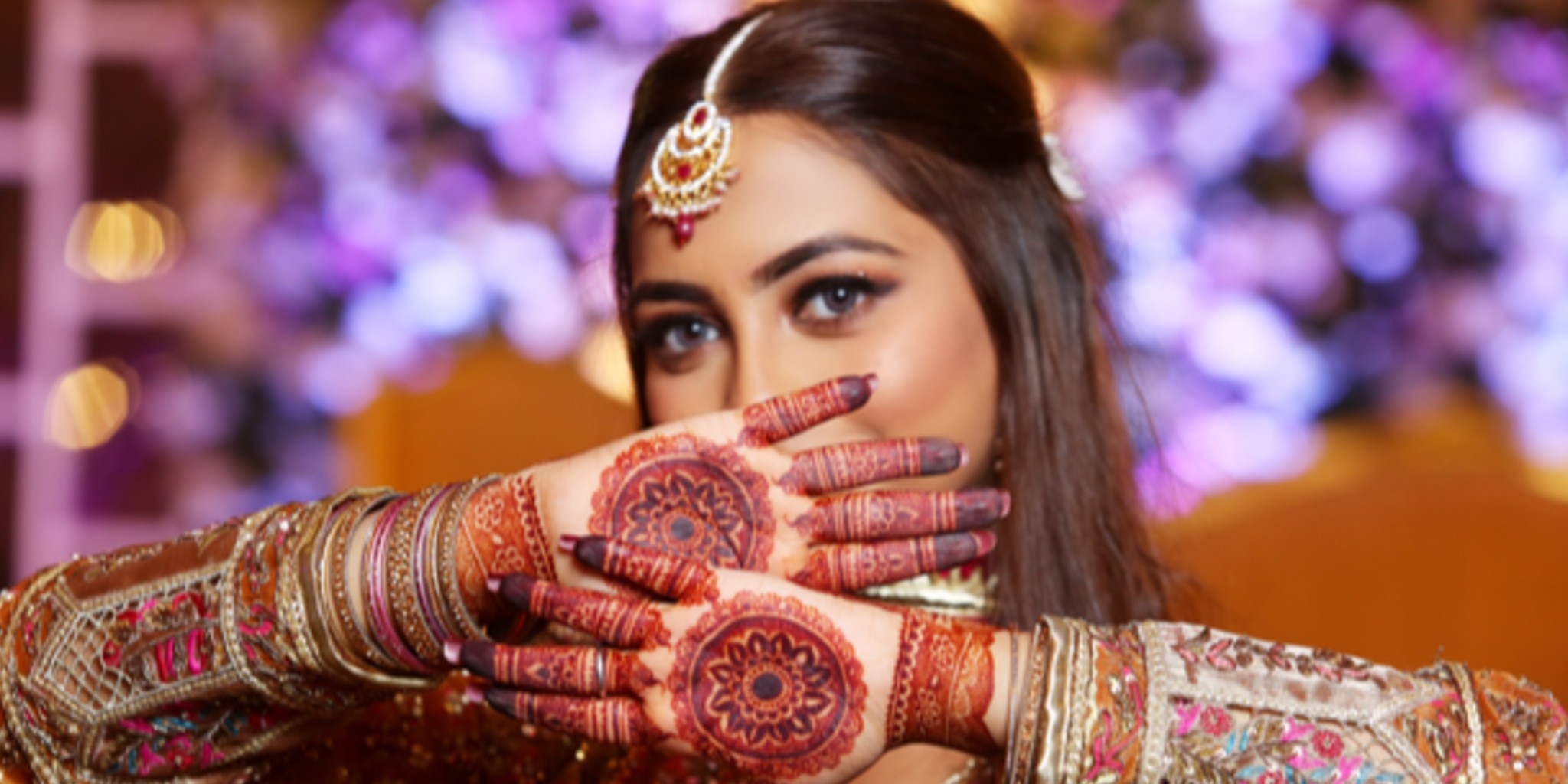
Pakistani society is deeply rooted in traditions where marriage is not only considered a social necessity but almost a compulsory milestone, especially for women. As soon as a girl reaches a certain age, the focus around her often shifts from education, career, and personal growth to one central question: when will she get married? This raises an important concern: why is there so much pressure on women to marry, and what are the consequences of this mindset?
Social and Cultural Expectations

In many households, discussions about a girl’s future “rishta” begin at a very young age. From her behavior and dressing to her education, everything is often shaped around the idea of making her a “perfect bride.” Once she reaches her early 20s, usually between 20 and 25, any delay in marriage becomes a source of worry for the family. On the other hand, men are rarely subjected to such strict timelines. This double standard highlights how deeply gender roles are embedded in societal expectations.
The Burden of “Family Honor”

Women are often seen as carriers of family honor, and their actions are closely monitored. In this context, early marriage is viewed as a way to “protect” that honor. Many parents believe that marrying their daughter off at the right time secures her future and safeguards the family’s reputation. This belief places immense emotional pressure on women, limiting their freedom to make independent life choices.
Financial and Social Pressure

In some families, a daughter’s marriage is considered a financial responsibility that needs to be fulfilled as soon as possible. Cultural practices like dowry, expensive wedding ceremonies, and societal expectations increase this burden. Additionally, constant questioning from relatives and society, such as “Why isn’t she married yet?” or “Is there a problem?” adds to the stress for both the girl and her family.
Education and Career as Secondary Priorities

Unfortunately, many girls are discouraged from pursuing higher education or building independent careers due to the fear that it might affect their marriage prospects. Common stereotypes such as “overqualified girls don’t get good proposals” or “career-oriented women cannot manage a home” persist. As a result, many women are forced to compromise on their dreams and ambitions.
Considering Unmarried Status as Failure

One of the most harmful outcomes of this societal pressure is the perception that an unmarried woman is somehow incomplete or unsuccessful. This mindset can deeply affect a woman’s self-esteem and mental health. Instead of being valued for her individuality, she is judged based on her marital status.
In today’s digital age, platforms like the Dil Ka Rishta app are helping change this narrative by providing a respectful and secure space where individuals, especially women, can search for compatible partners on their own terms. Instead of forced or rushed decisions, Dil Ka Rishta encourages meaningful connections based on mutual understanding, values, and consent. It empowers women to take control of their marriage journey, making the process more transparent, dignified, and aligned with modern needs.