

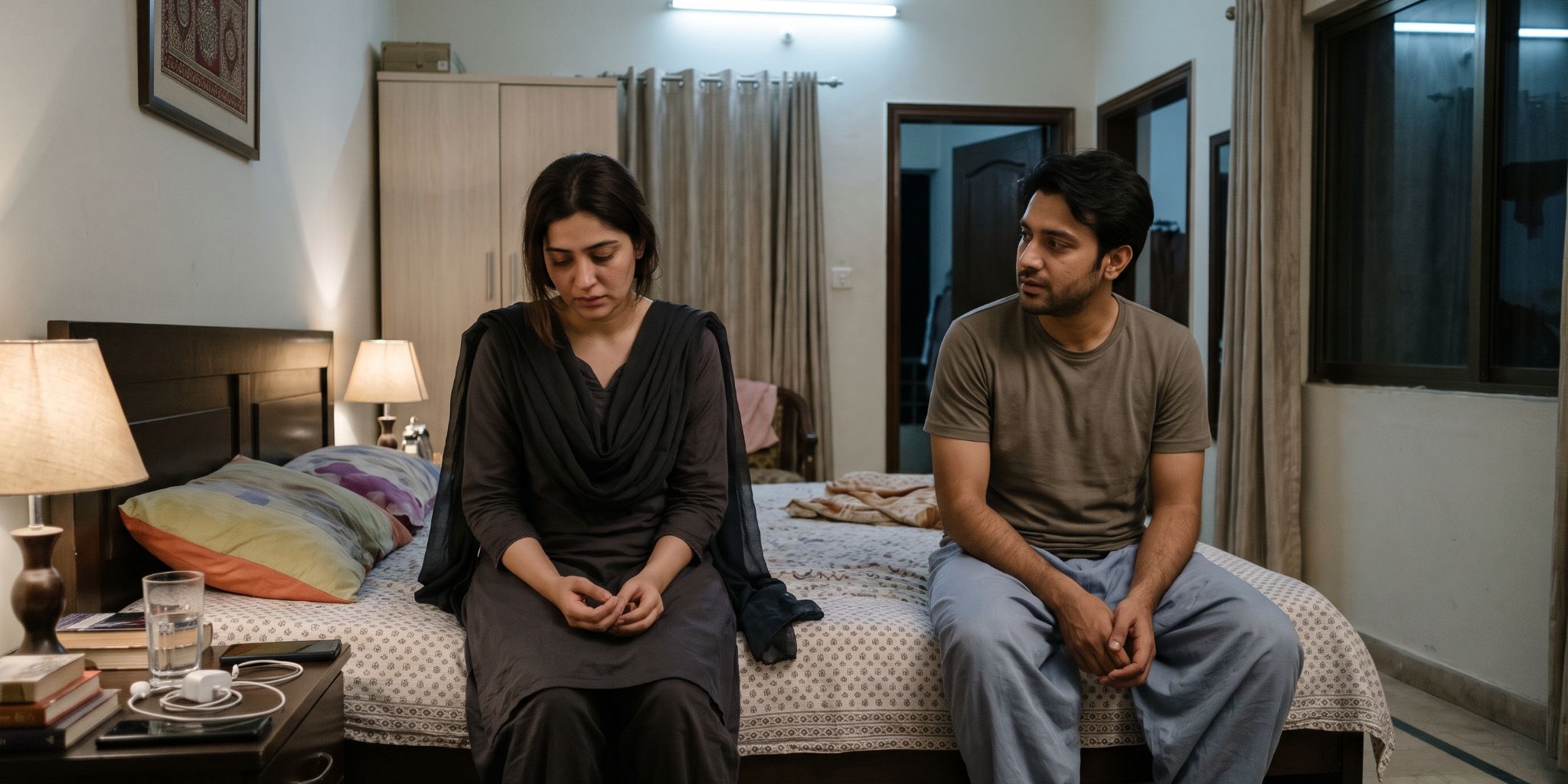
Marriage is built on love, trust, companionship, mutual understanding and shared responsibilities. However, a healthy marriage requires much more than living together or fulfilling family expectations. Respecting each other's feelings, personal boundaries and choices is equally important. One of the most sensitive issues that challenges these principles is marital rape, a form of sexual violence that often remains hidden behind closed doors.
In many societies, including South Asian communities, discussing sexual violence within marriage is difficult. Traditional beliefs sometimes create the impression that marriage gives one partner unlimited rights over the other. This misunderstanding can lead to the normalization of forced intimacy, emotional pressure and sexual abuse. However, marriage does not mean that an individual's consent, dignity or personal boundaries no longer matter.
Research About Marital Violence
Recent international research highlights the seriousness of violence within intimate relationships. According to a World Health Organization (WHO) report released in November 2025, approximately 840 million women worldwide have experienced partner or sexual violence during their lifetime. The report also estimates that 316 million women experienced physical or sexual violence during the previous 12 months.
These figures demonstrate that violence within relationships remains a major global public health and human rights concern. Although these statistics cover different forms of violence and should not be interpreted as figures for marital rape alone, they highlight the importance of addressing sexual coercion and abuse within marriage.
Research also suggests that social attitudes play an important role in how people understand marital sexual violence. A 2026 study published in Behavioral Sciences & the Law found that public perceptions of marital rape can be influenced by the level of force involved and existing beliefs about gender and sexual relationships. This highlights the need to educate people that the absence of visible physical violence does not automatically mean that consent exists.
How Does Sexual Violence Affect a Marriage?
A marriage cannot remain emotionally healthy when one partner feels unsafe, disrespected or powerless. Forced intimacy can damage trust and create fear, anxiety, depression and emotional distance.
A person experiencing sexual violence may gradually lose confidence and feel disconnected from their partner. In some cases, the consequences can also include physical injuries, unwanted pregnancies and other reproductive health concerns.
Children may also be affected when they grow up in an environment where one parent experiences abuse or where disrespect and controlling behaviour are treated as normal. Therefore, addressing violence within marriage is not only about protecting individuals; it is also about creating healthier family environments for future generations.
The Importance of Awareness and Legal Protection
Addressing marital rape also requires public awareness, stronger support systems and effective legal protection. Women should be able to report abuse without facing humiliation or social discrimination. Healthcare providers, legal professionals and relevant institutions must understand the sensitive nature of such cases and respond with dignity and confidentiality.
In Pakistan, the legal treatment of marital rape is complex, although the legal framework around rape and consent has developed. A significant development occurred in January 2024, when the Sindh High Court upheld a conviction in a case involving sexual violence within marriage. Legal protections and their application should be understood with the help of qualified legal professionals.
Public education is equally important. Schools, universities, media organizations and community institutions can help challenge harmful beliefs and promote respect, equality and healthy relationships.
Choosing the Right Life Partner Matters
A successful marriage begins long before the wedding ceremony. It starts with understanding a potential life partner's character, mindset, values, and expectations. Physical attraction, financial stability, and family background may matter, but emotional maturity, mutual respect, and the ability to communicate are equally essential.
Before saying yes to a rishta, individuals and families should consider whether the prospective partner respects different opinions, understands personal boundaries, handles disagreements maturely and believes in equality within marriage.
A suitable life partner should be someone with whom a person feels emotionally secure, valued and respected. Marriage should provide companionship and comfort, not fear or control.


