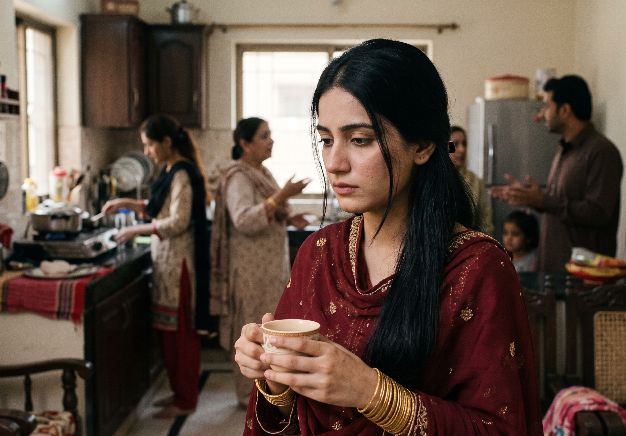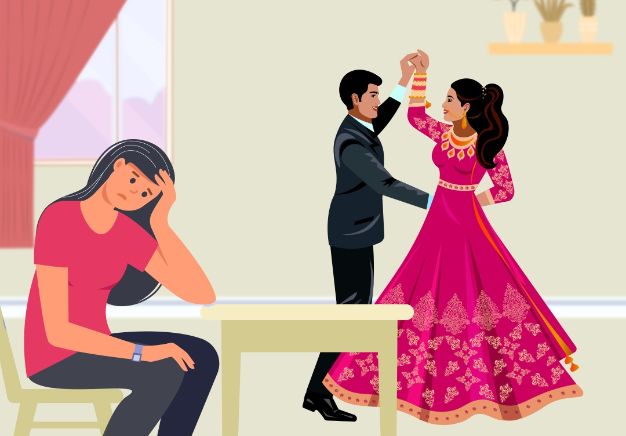


In Pakistani society, marriage is often considered a sacred duty and a social obligation. It is not just a personal decision between two individuals, but is closely tied to family honor and traditions. While arranged marriages where families play a role in the decision are common and culturally accepted, situations where one or both individuals are compelled to marry against their will fall under the category of forced marriage. This is a serious human rights violation, disproportionately affecting women and young girls.
What Is Forced Marriage?

A forced marriage occurs when an individual is coerced, threatened, or pressured into marrying someone against their consent. This coercion can take many forms: emotional blackmail, physical violence, or social pressure. Unfortunately, many cases in Pakistan show girls being forced to accept marriage proposals, sometimes at the cost of their education, career, or personal freedom.
Root Causes of Forced Marriages in Pakistan

The reasons behind forced marriages are deeply embedded in social and cultural practices. The most common cause is the traditional concept of family honor, where parents believe they have the ultimate authority over their children’s marital choices, often ignoring the child’s opinion. Other contributing factors include poverty, dowry issues, local customs like Wani and Sawara, and child marriages. The situation is often more difficult in rural areas, where girls may be given in marriage as a settlement for family disputes.
The Emotional and Physical Impact

The effects of forced marriages are not only physical but also emotional and psychological. Such marriages often lead to unhappy lives, domestic violence, depression, and, in extreme cases, suicide. The affected individuals lose control over their own lives, and their dreams, careers, and independence are compromised. For young girls, the consequences are even more dangerous, as they are often not physically or mentally prepared for marriage and motherhood.
Legal and Social Challenges

Although Pakistan has laws against forced marriages, enforcement is weak. Many people are unaware of these laws, and in some regions, law enforcement is influenced by local customs and family pressure. Even when consent forms are used during marriage registration, they often become a mere formality.
The solution to forced marriages is not just legislation; it requires a shift in social attitudes. Public awareness campaigns, access to education, empowerment of women, and positive media representation are all essential. Schools and colleges should openly discuss topics like consent, human rights, and reproductive education to nurture an informed younger generation.
In today’s world, technology can play a role in helping people make informed and independent choices about marriage. Platforms like the Dil Ka Rishta App provide a safe, reliable, and transparent way for individuals to find compatible life partners without undue family or societal pressure. By prioritizing consent, compatibility, and individual choice, apps like Dil Ka Rishta are helping promote empowered, respectful, and voluntary marriages in Pakistan.