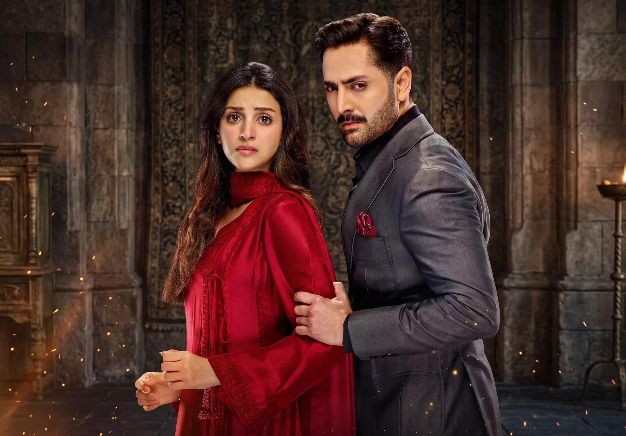

Pakistani dramas have always captured audiences with their emotional storylines, intense relationships, and compelling characters. However, a worrying trend has emerged in recent years: the glorification of the angry male hero. These characters are often portrayed as brooding, aggressive, and controlling, yet their behavior is framed as a sign of strength, passion, or romantic devotion.
In many popular dramas, male leads express their dominance through anger, shouting, or intimidation, and the narrative often excuses this behavior as heroic or desirable. For example, in “Tere Bin”, the actions of a controlling male character were justified as stemming from protective instincts, while in “Dil Ruba”, the male lead’s pride and frequent outbursts were highlighted as part of his charm. Even “Khaani” showcased a protagonist whose obsession and short temper were framed as passionate devotion.
While these characters may create dramatic tension and attract viewers, glorifying anger in male heroes is problematic. It sends misleading messages about masculinity, suggesting that aggression and control are signs of strength. It also risks normalizing toxic behavior in relationships, teaching young audiences that possessiveness, dominance, or intimidation are acceptable in love. Moreover, the trope discourages emotional expression, implying that real men should be aggressive or stoic rather than empathetic or communicative.
This is where platforms like Dil Ka Rishta play an important role. Unlike the dramatized “angry hero,” Dil Ka Rishta emphasizes healthy, respectful, and understanding relationships. By focusing on compatibility, shared values, and emotional maturity, the platform helps individuals find partners who inspire kindness, patience, and emotional intelligence qualities that real-life heroes embody. Just as viewers are ready for positive change in dramas, they are also seeking relationships built on mutual respect rather than dominance or aggression.
Pakistani dramas have the power to influence social norms and cultural expectations, and when combined with real-life platforms like Dil Ka Rishta, there is an opportunity to redefine heroism and romance. True heroism, both on-screen and in life, is measured not by anger or control, but by compassion, understanding, and integrity. Audiences and users alike are now ready to celebrate men and women who inspire through kindness and emotional intelligence, rather than aggression.